Freedom on two wheels: Your ultimate guide through the motorcycle paradises of Europe
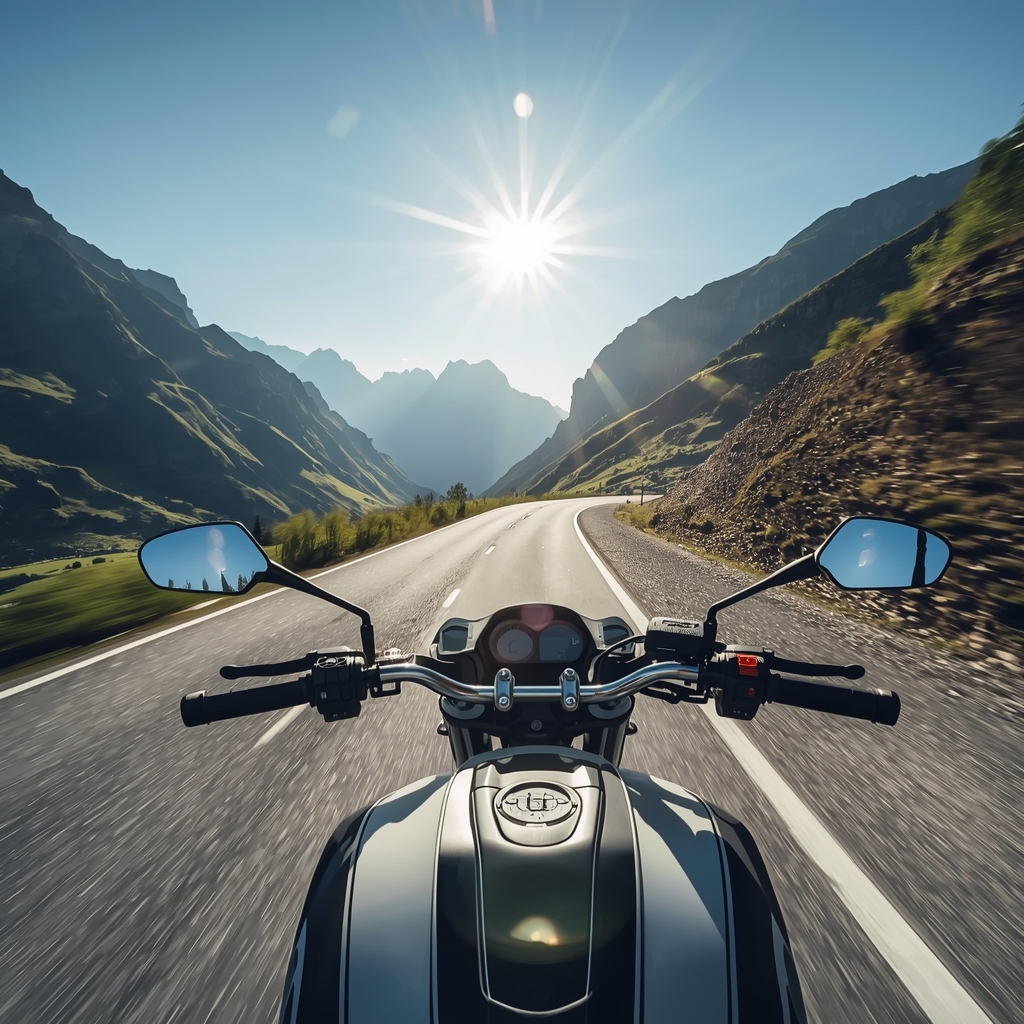
You know what it's like: the garage door swings open, the smell of gasoline and leather is in the air, and you're already planning the next turn in your head. Europe is not just a continent; For us motorcyclists it is the largest and most varied area in the world. No matter whether you drive a beefy travel enduro, a maneuverable corner-robber or a comfortable cruiser: you'll definitely find happiness here.
In this guide I take you on a journey across 2,500 kilometers of asphalt dreams. We not only clarify where the curves are the tightest, but also what you need to pay attention to in the regions to make your trip unforgettable. Pack your bags, check the tires. We're leaving!
1. The 10 most beautiful motorcycle routes: your personal bucket list
Let's start with the legends. These are the routes you will tell your grandchildren about. Breathtakingly beautiful, impressive and unforgettable. A must ride for every motorcyclist in the world.
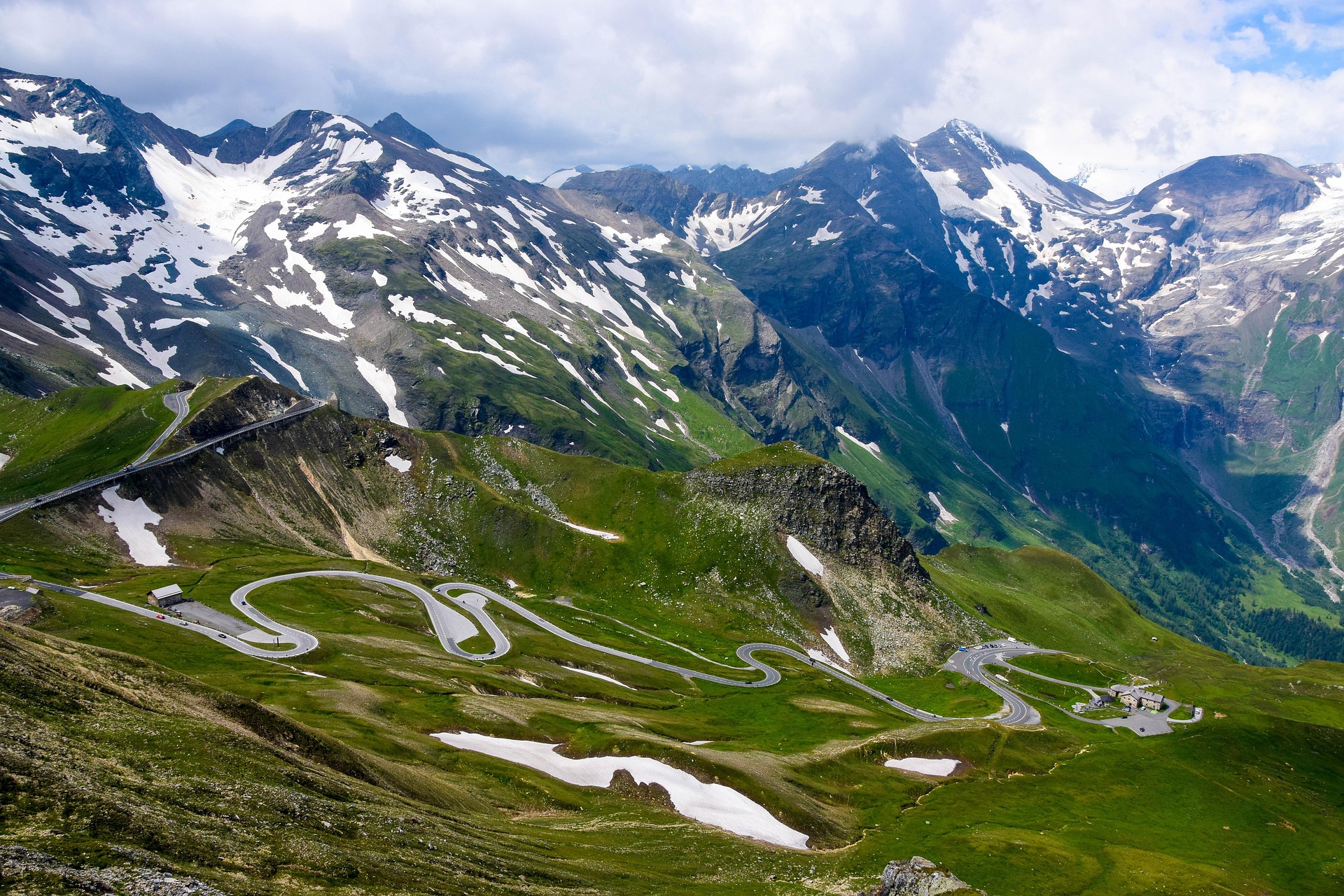
1.1 Großglockner High Alpine Road (Austria)
The “Queen”. When you stand up here, in the Kaiser-Franz-Josefs-Höhe parking lot, and look at the Pasterzen Glacier, you know why you ride a motorcycle. The 48 kilometers are pure enjoyment.
-
Your driving fun: 36 turns, gradients of up to 12 percent
-
Insider tip: Get your ticket online in advance to avoid the queue at the Ferleiten toll booth. And: Drive up the “Edelweißspitze” – the cobblestone ridge to the highest point at 2571 meters offers a 360-degree view.
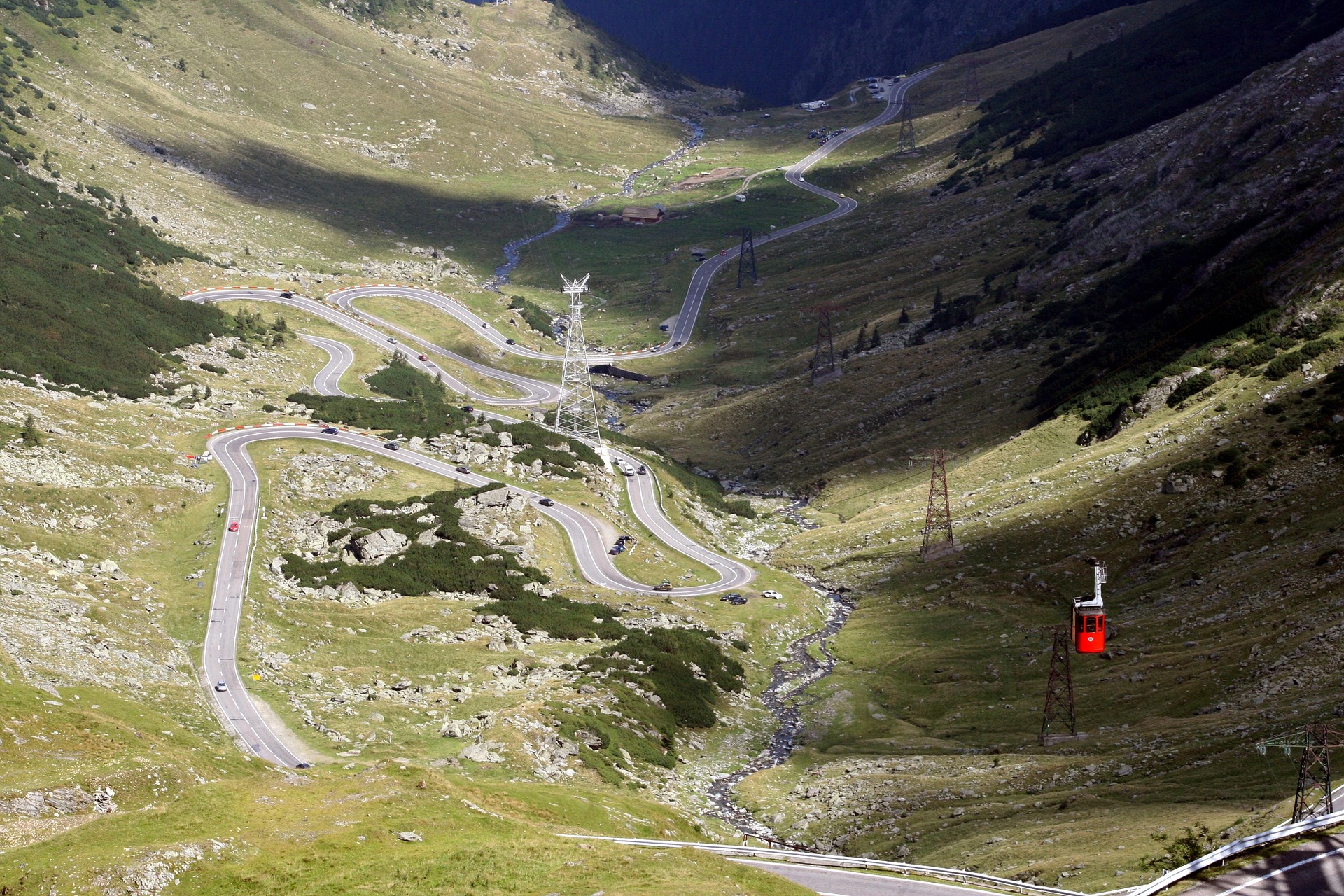
1.2 Transfăgărășan (Romania)
Once an insider tip, today world famous. This road crosses the Făgăraș Mountains in the Carpathians. It is wilder than the Alps.
-
Your driving fun: A dramatic north drive lying like a gray snake in the green valley.
-
Insider tip: Watch out for stray dogs and – no joke – bears. The region has one of the highest bear densities in Europe.
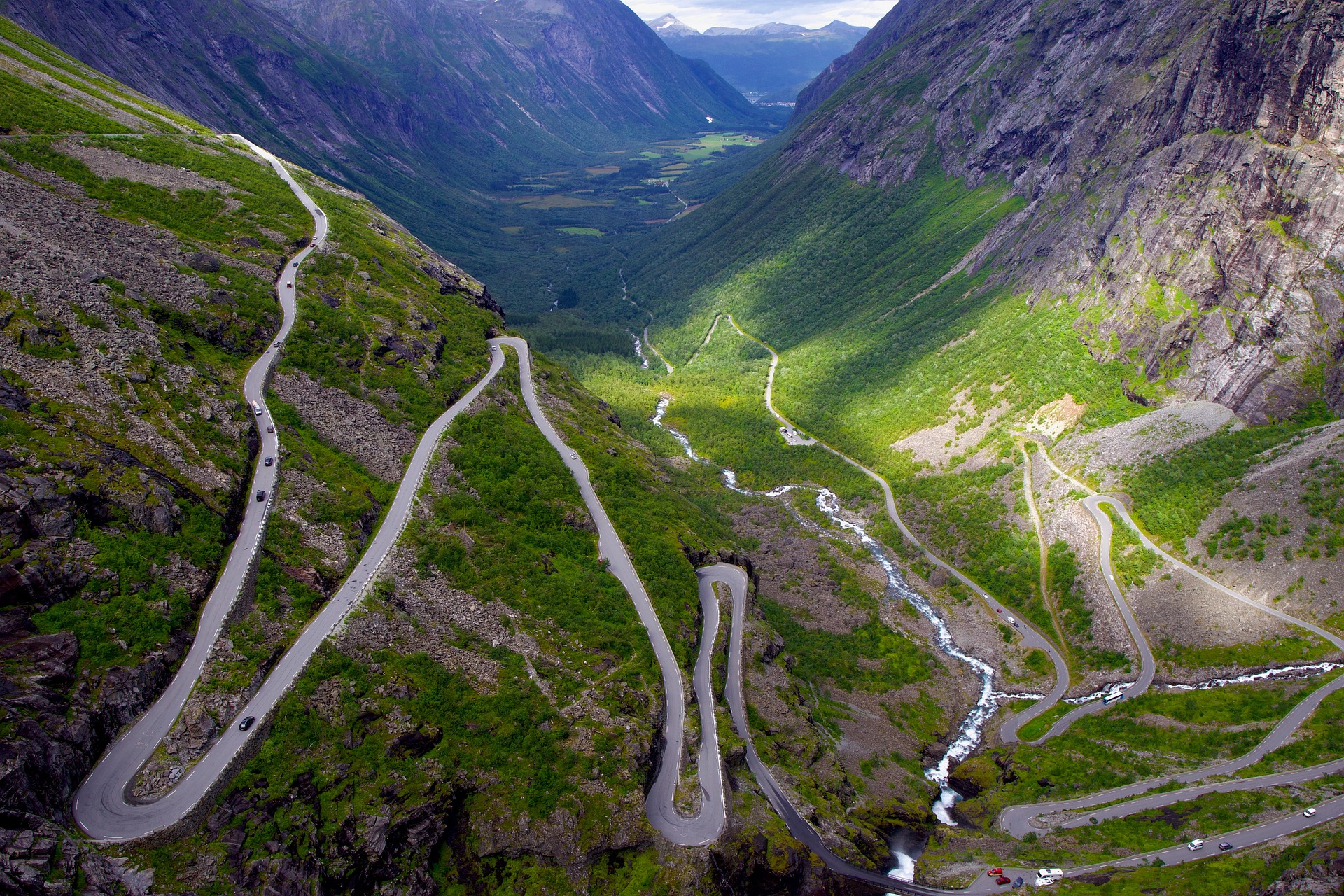
1.3 Trollstigen (Norway)
Imagine a road being carved vertically into the rock. This is the Trollstigen.
-
Your driving fun: Eleven hairpin bends with an almost unreal view of the Stigfossen waterfall.
-
Insider tip: In Norway the fines are astronomical. Enjoy the view, but keep your hand off the gas.
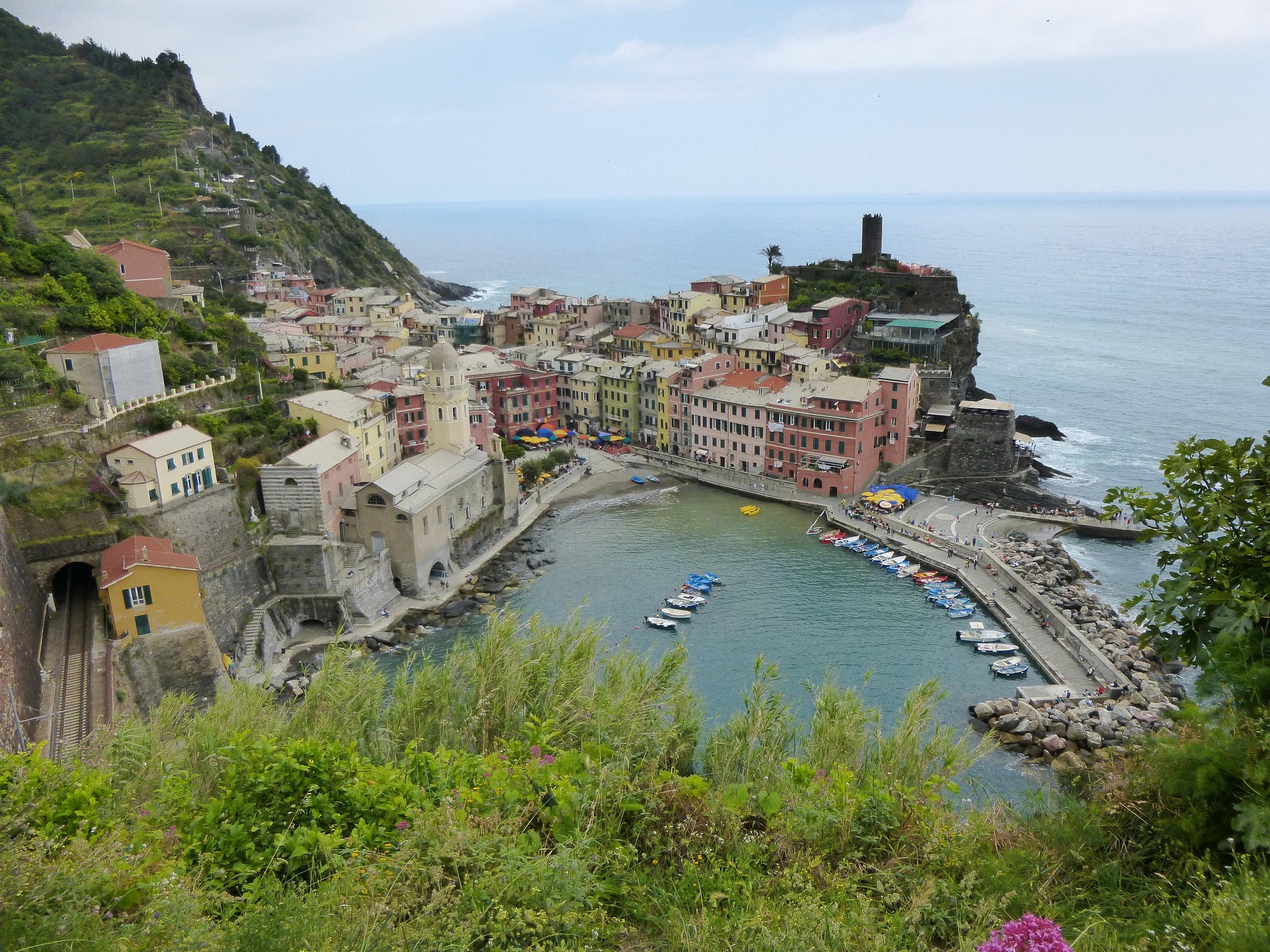
1.4 Amalfi Coast (Italy)
The SS163 is the definition of coastal magic. On the left the rock face, on the right the abyss to the deep blue sea.
-
Your driving fun: Tight curves in which your knee is almost on the historic masonry.
-
Insider tip: Never drive this route in August. The heat and the buses ruin the fun. May and September are your months!
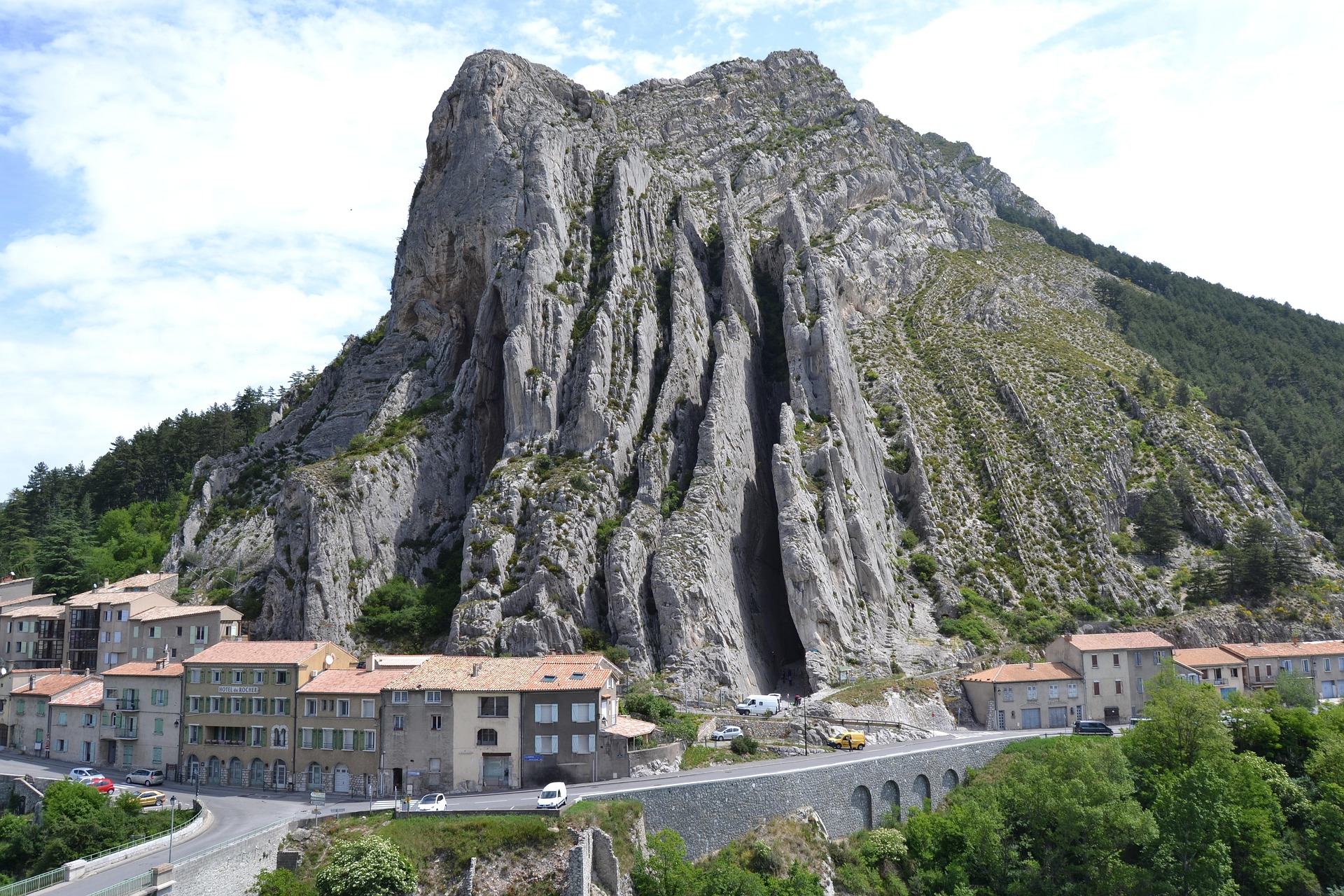
1.5 Route Napoleon (France)
From Grasse to Sisteron you follow the path of the emperor. One of the fastest and best developed routes.
-
Your driving fun: Wide radii, perfect for touring athletes.
-
Insider tip: Take a trip to the Gorges du Verdon (the Grand Canyon of Europe). It is right on the route.

1.6 Wild Atlantic Way (Ireland)
What counts here is not the speed, but the soul. Over 2500km along the rugged west coast.
-
Your driving fun: Narrow paths, flocks of sheep on the road and an incredible green backdrop.
-
Insider tip: Invest in top-notch rain gear. In Ireland you can experience all four seasons in one afternoon.
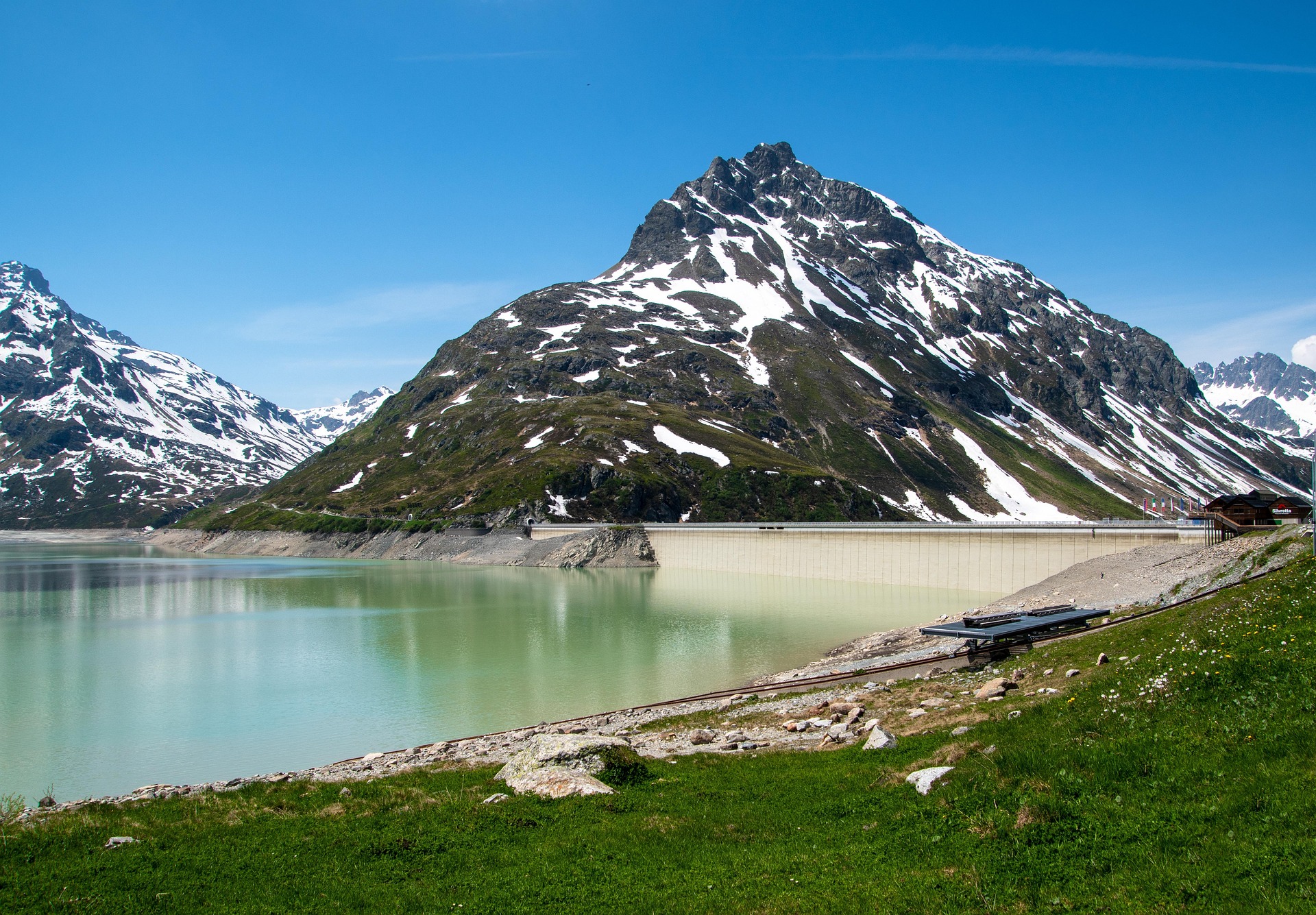
1.7 Silvretta High Alpine Road (Austria)
For many, it is nicer than the Glockner because there is less “hustle and bustle”.
-
Your driving fun: 32 turns on the west ramp. Pure rhythm!
-
Insider tip: Stop at the top of the Silvretta reservoir and enjoy the view of the Piz Buin group.
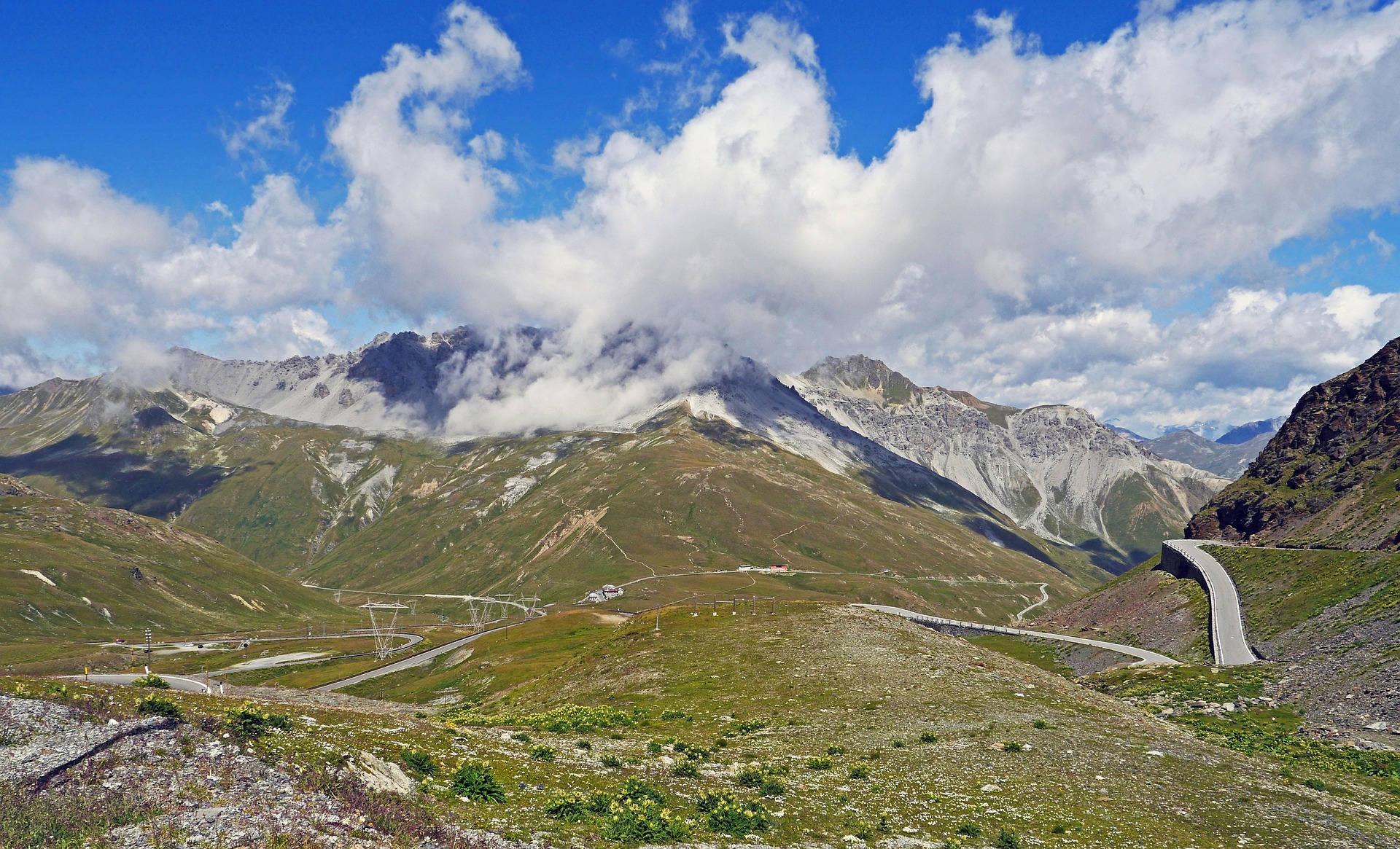
1.8 Stelvio Pass (Italy)
The test of courage. 48 turns on one side, 39 on the other.
-
Your driving fun: Enormously tiring, but a milestone in every biker's life.
-
Insider tip: Practice turning on the mountain beforehand. The bends are so tight that you almost have to turn while standing still.
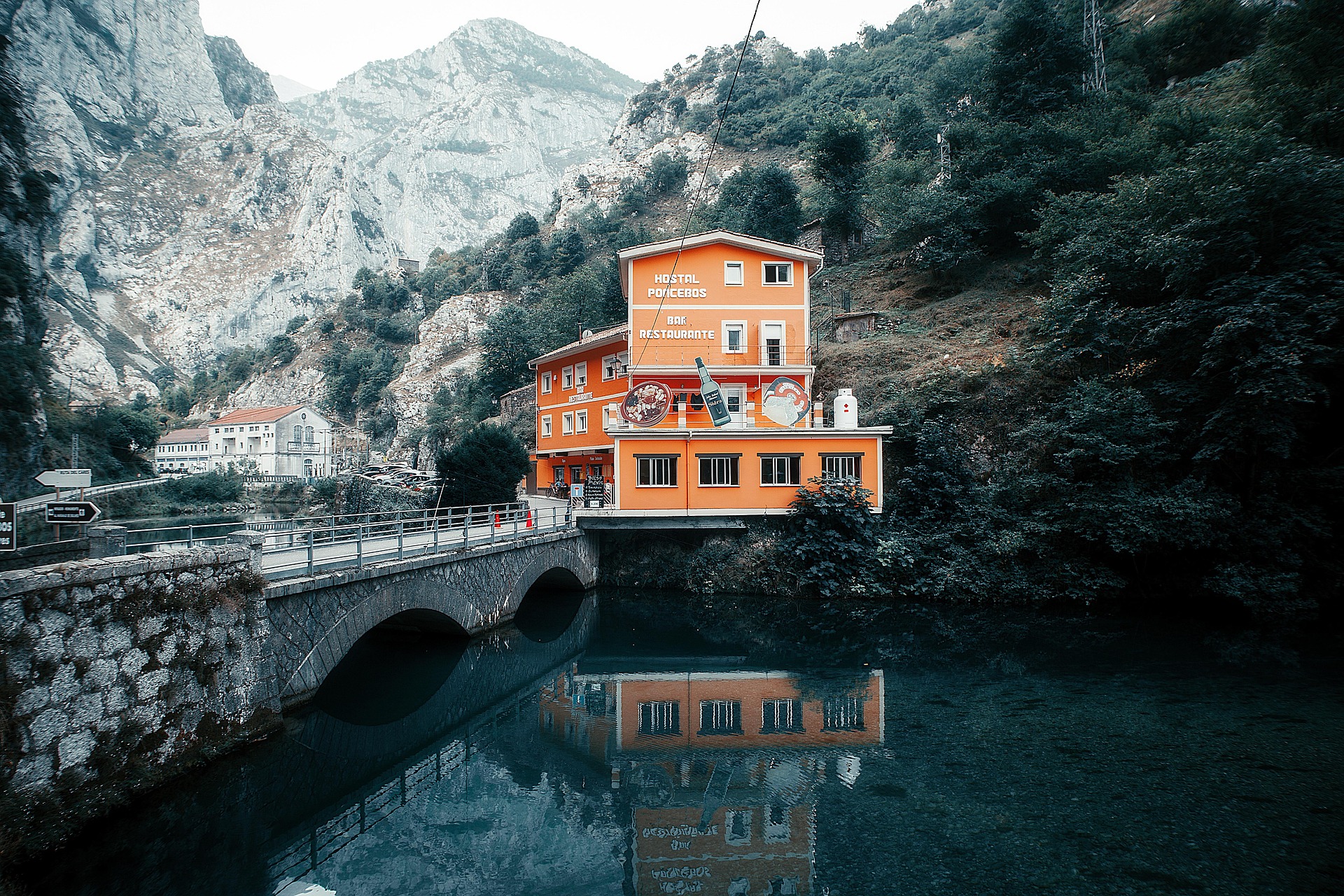
1.9 Picos de Europa (Spain)
The “Alpine experience” without the Alpine prices and traffic.
-
Your driving fun: Winding gorges like the “Desfiladero de la Hermida”.
-
Insider tip: The region is famous for its cheese. Try the “Queso de Valdeón”.
1.10 Magistrala (Croatia)
Perhaps the best coastal drive in the world.
-
Your driving fun: Hundreds of kilometers of curves in a row, right by the sea.
-
Insider tip: The police check here strictly. Enjoy the flow, but don't overdo it.
2. Alpine passes: Your playground of giants
The Alps are the Mecca for us. But be careful: passports are a question of character.
The classics: Here you meet like-minded people
If you drive up the Passo Pordoi or screw your way over the Grimsel Pass in Switzerland, you are never alone. These routes are the social network of the road. You meet people from all over Europe, talk shop at the kiosk and enjoy the perfectly maintained asphalt. The Bernina Pass in Switzerland is another example: vast, safe, majestic.
The insider tips: Where you can still hear the engine yourself
Do you want peace? Then look for the small, often single-lane passes.
-
Passo di Gavia (Italy): The little, bad brother of the Stelvio Joch. The road is often only three meters wide and guardrails are sometimes missing. Thrill guaranteed!
-
Col de la Cayolle (France): One of the most beautiful passes in the Maritime Alps. Here you drive through a gorge that is so narrow that you think you can touch the rocks.
-
Sölk Pass (Austria): While everyone runs to the Glockner, you often have the street to yourself. Pure nature, without kitsch.
3. Coastal tours: Salt on your skin, freedom in your head
There is nothing better than starting the engine in the morning and smelling the sea.
Sardinia: Your personal asphalt laboratory
Sardinia is not an island, it is a state. The asphalt is mixed with local volcanic rock, which gives it a grip that you won't find anywhere in Germany. The SS125 Orientale Sarda is a must. You drive through mountain ranges and suddenly look down on hidden bays.
-
Danger: The tires here only last half as long as at home. Calculate a tire change!
Corsica: The island of 10,000 curves
Corsica is wilder than Sardinia. The streets are narrower and pigs or goats often walk across the road. The Calanche de Piana features red rock formations that glow in the sunset. A magical moment for every rider.
4. National Park Routes: Breathe through green lungs
You don’t just drive in national parks; you experience nature in its purest form.
Black Forest (Germany)
The Black Forest is our German jewel. The Black Forest High Road (B500) is world-famous, but I advise you: get off the main road! The Münstertal or the route to Schauinsland offer you slopes and curves that will challenge you.
Important for you: The Black Forest is very crowded on weekends. If you can, go during the week.
Dolomites (Italy)
The “pale mountains”. Here the national parks are like open-air museums. The Sella circuit is the center, but head to the Paneveggio Natural Park. The forests there already provided the wood for Stradivari's violins. The streets there are often emptier and nature is even more untouched.
Pyrenees (Spain/France)
The Pyrenees are the contrast to the Alps. They are drier, more rugged and more lonely. If you go through the Ordesa and Monte Perdido National Park driving, you feel like you're in a western. The roads on the Spanish side are often brand new and perfectly paved.
5. Motorcycle trips by region: What really awaits you
🇩🇪 Germany: More than just the highway
Germany is often underestimated. But there are paradises off the A7:
-
Eifel: Everything around the Nürburgring is geared towards motorcycles. The “Green Hell” is just the center of a huge network of winding country roads.
-
Ore Mountains: Border traffic to the Czech Republic, deep forests and very hospitable people.
-
Bavarian Forest: Wide curves that can be driven perfectly with a “train”.
🇦🇹 Austria: The country of hospitality
Austria loves motorcyclists – mostly.
-
Regulate: Watch out for them 95dB-Regulation in Ausserfern (Tyrol). If your bike is louder when stationary, you are not allowed to ride there.
-
Regions: Carinthia is perfect for tours to Slovenia and Italy. Styria offers the “Styrian Iron Road”. A tour full of industrial culture and great curves.
🇨🇭 Switzerland: High Alpine and high-priced
Switzerland is visually the maximum. Passes like the Susten or the Furka are engineering masterpieces.
-
Your wallet: Switzerland is expensive. Refueling, eating, sleeping – calculate with twice as much as in Germany.
-
Caution: The police are humorless. 5km/h too much will cost you a fortune. Drive relaxed and enjoy the scenery.
🇮🇹 Italy: Where motorcycling is religion
In Italy you will be welcomed everywhere with a motorbike.
-
Tuscany: Gentle hills for cruisers.
-
Abruzzo: The “Gran Sasso” is the “Little Tibet” of Italy. A huge plateau where you feel infinitely free.
-
Eat: Every break is a culinary highlight. An espresso at the gas station tastes better here than a luxury coffee here.
🇫🇷 France: The land of freedom
In France there are the “Départementales” (D streets). They are often empty for miles.
-
Auvergne: A region of volcanoes. It couldn't be any curvier.
-
Vercors: Dizzying streets carved into the cliffs. A must for adventurers.
🇧🇦 Balkans: Adventure on your doorstep
You don't want mass tourism? Then off to the east.
-
Slovenia: The gateway to the Balkans. The Soča Valley has the clearest water you have ever seen.
-
Montenegro: Durmitor National Park is one of the last true wildernesses in Europe.
-
Albania: Here you need a travel enduro. The main roads are okay, but the real treasures are on gravel roads.
🇸🇪 Scandinavia: Deceleration
You don’t come here to “heat”.
-
Sweden: Endless gravel roads (TET – Trans Euro Trail).
-
Norway: The land of tunnels and ferries. Plan your time, the average speed is often just around 50 km/h.
6. Professional tips for your planning:
To prevent your trip from becoming a nightmare, here are a few things you need to know:
6.1 The right equipment
-
Onion principle: It has it on the pass 5°C, in the valley 30°C. Merino underwear is your best friend.
-
Tires: Check your profile. A trip to the Alps 3,000km eats up more rubber than the commute.
6.2 Digital helpers vs. paper
-
Apps: Use apps like Calimoto or Curvier. You will find curves that no normal navigation system knows about.
-
Paper: Always have a card with you. In the mountains you often don't have a network and GPS can be crazy.
6.3 The stage length
Don't overestimate yourself. In the Alps are 250km a day, a full day tour. You take photos, you drink coffee, you enjoy. Stress is the enemy of security.
FAQ: Everything you need to know for your motorcycle trip through Europe
1. When is the best time to travel on a motorcycle tour in the Alps? The ideal time is from mid-June to the end of September. Before June, many high passes are closed due to winter closures, and from October you can expect the first fresh snow and slippery roads.
2. Do I need a vignette for all countries in Europe? No, but in Switzerland and Austria it is mandatory for motorways. In countries like France, Italy and Croatia, you pay route-based tolls at the toll booths instead. An overview of the different You can find European tolls on the ADAC website.
3. Which motorcycle is best for Alpine passes? Maneuverability is key! Travel enduros or naked bikes are ideal for tight bends. Heavy cruisers are doable, but require significantly more power and driving skills in hairpin bends like on the Stelvio Pass.
4. Is the Stelvio Pass suitable for beginners? It's a challenge. The 48 hairpin bends on the east side are extremely narrow and steep. You should be able to control your motorcycle safely when driving slowly and be able to turn on hills.
5. What is the 95 dB rule in Austria? In certain districts of Tyrol (e.g. Ausserfern) there is a driving ban for motorcycles with a recorded stationary noise of over 95 decibels in summer. Check your vehicle registration document (field U.1) before you drive off.
6. How many kilometers should I plan per day? On flat terrain, 400 km is no problem. In the Alps or on winding coastal roads, you should limit yourself to 200 to 250 km to enjoy the tour without stress.
7. Do I need special insurance for the Balkans? In the EU, normal insurance is sufficient. For countries such as Bosnia-Herzegovina, Montenegro or Albania, you must have the Green Insurance Card (often white today) with you, on which these countries are not crossed out.
8. Which accessories are essential for long tours? A comfortable seat, a good navigation system, a rain suit, a compact puncture kit (tire patches) and a power bank for your smartphone are your most important companions.
9. Are there special helmet requirements in Europe? The helmet requirement applies everywhere. In countries like France, your helmet must also have reflective stickers and you must wear CE-certified gloves. You can find detailed information here Rules and regulations for each country.
10. How do I find motorcycle-friendly accommodation? Pay attention to portals such as “Biker Betten” or the ADAC seal. These accommodations often offer a covered parking space, drying rooms for clothes and tools for small repairs.
11. Is motorcycling in Corsica or Sardinia worth more? Sardinia has better asphalt and smoother curves. Corsica is wilder and has more varied landscapes, but the roads are often narrower and in poorer condition.
12. What do I have to pay attention to when driving in a group? Always drive staggered (except in tight corners), never overtake within the group and always adapt the pace to the weakest driver.
13. Can I wild camp in Scandinavia? Yes, thanks to the right of everyone, this is allowed in Sweden and Norway under certain conditions. However, motorized vehicles usually have to stay on paved areas.
14. How do I protect my motorcycle from theft when traveling? Use a high-quality brake disc lock with an alarm function and, if possible, park your bike in a locked garage or within sight of your accommodation.
15. Which app is the best for motorcycle routes? Calimoto and Kurviger.de are the market leaders. They specialize in finding curves rather than sending you the fastest way down the highway.
7. Conclusion: What type are you?
Europe offers you everything. Are you the pass eater who takes every bend in South Tyrol? Are you the connoisseur who rolls through lavender fields in Provence? Or are you the adventurer looking for the next pass in Albania? No matter what you choose, the most important thing is that you come back healthy.
The streets of Europe are waiting for you. Every curve tells a story. It's time for you to write your own. What are you waiting for? Grab your bike, check the air pressure and ride off. See you on the road!
For many years I have been intensively involved with motorcycles, their technology and all topics relating to safety, maintenance and equipment. My goal is to present practical information in an understandable way, to realistically assess risks and to objectively classify common myths.
All content on moto-guide.com are based on in-depth research, technical classification and my experience in dealing with motorcycles. I want to help riders make informed decisions and use their motorcycle safely and consciously.




Leave a comment
Participate in the discussion?Leave us your comment!