
Motorcycle trip to Spain: tolls, speed traps and the right equipment
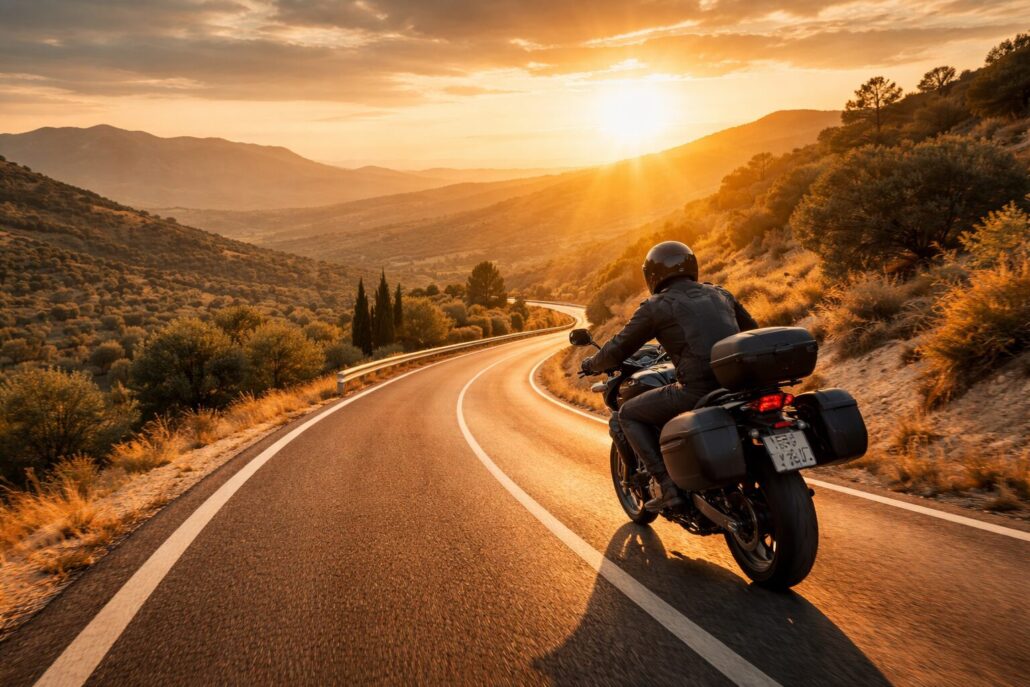
Spain has been one of the most popular destinations for motorcyclists from all over Europe for years. Winding mountain roads, little traffic outside metropolitan areas, a mild climate and a motorcycle-friendly culture make the country ideal for long tours and spontaneous detours. But anyone traveling to Spain by motorcycle should know more than just the most beautiful routes. Toll regulations, speed traps and the right equipment decide whether the journey is relaxing or unnecessarily stressful. This guide shows you what really matters.
Motorcycling in Spain – what to expect:
Spain offers enormous diversity. In the north, green mountain landscapes and winding roads along the Pyrenees await you, while Andalusia beckons with wide plains, white villages and lonely passes. Many roads are excellently developed, the asphalt is often easy to grip and visibility is good. At the same time, Spain is not a country where traffic rules should be taken lightly. Controls are consistent and fines can be severe.
Spain is a country of contrasts, especially for motorcyclists. During the day you enjoy wonderful routes, in the evening you sit relaxed in small bars, but you should be prepared on the way. If you plan well, you will be rewarded with one of the most beautiful motorcycle trips in Europe.
Tolls in Spain – what you need to know!
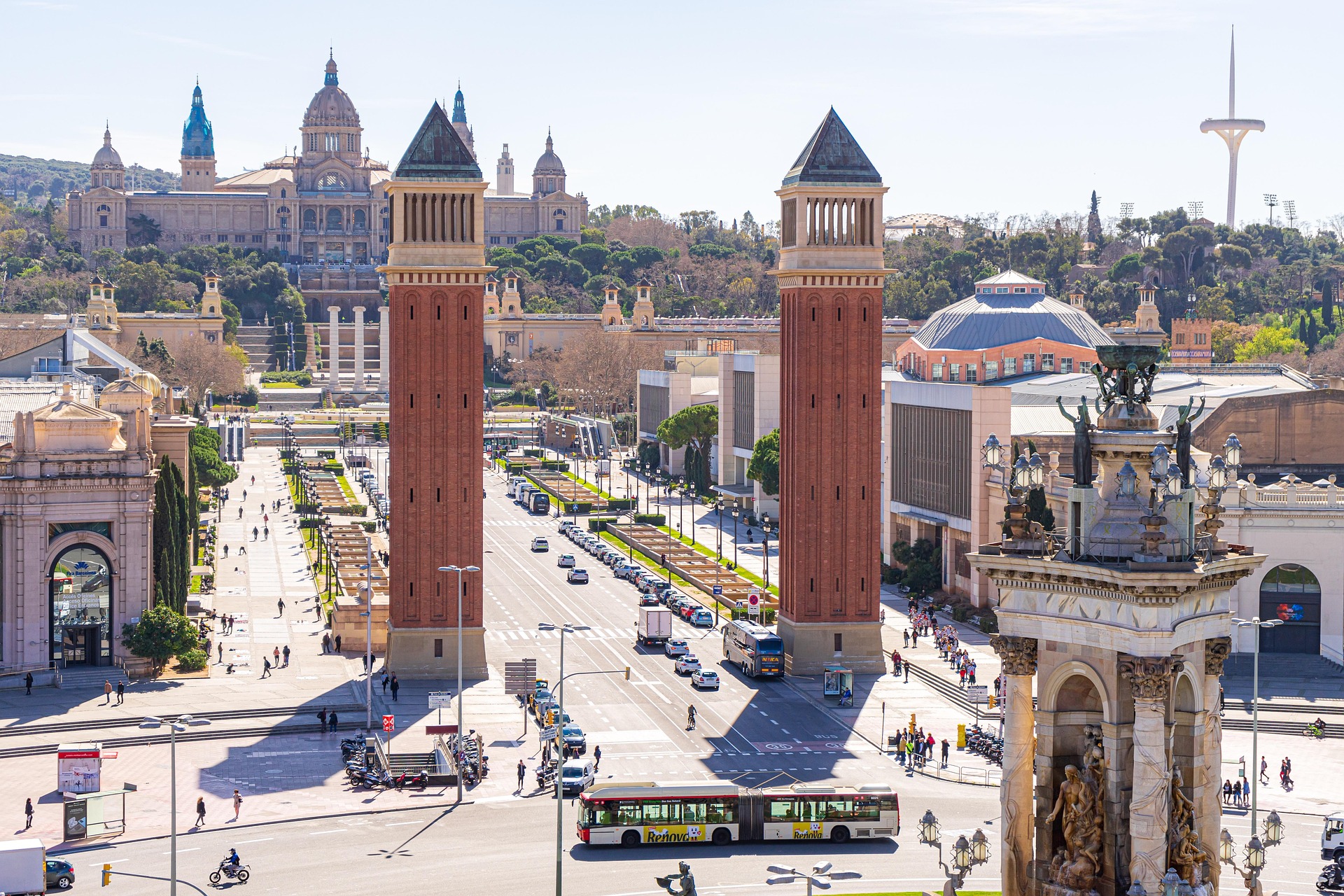
First the good news: Many motorways in Spain are now toll-free. In recent years, numerous so-called “autopistas” have been exempted from tolls, particularly around Madrid, Valencia and Barcelona. For motorcyclists, this means that you can often cover longer distances without additional costs.
However, there are still toll roads, especially in the north and northeast of the country, such as in Catalonia or the Basque Country. Motorcycles generally pay less than cars, but the differences are not the same everywhere. At the toll stations you pay in cash or by credit card. Electronic toll systems like Telepeaje also work for motorcycles, but are usually only worthwhile for frequent drivers.
The choice of route is important for motorcyclists. If you avoid motorways and use country roads instead, you not only save on tolls, but also experience Spain more intensively. Many of the best motorcycle routes are off the highway and are free.
Speed traps and speed checks in Spain!
Spain takes road safety very seriously. The country has one of the densest networks of fixed and mobile speed cameras in Europe. Motorcyclists should be aware that checks take place not only on motorways, but also on country roads and in seemingly remote regions.
Fixed speed cameras are particularly common on straight stretches in towns, in tunnels and on multi-lane country roads. Mobile speed traps are often operated by inconspicuous vehicles and are often located behind bridges, at the exits of curves or on slopes. Police motorcycles with radar technology are also not uncommon.
The fines in Spain are high and for foreigners they are often collected on the spot or delivered later. If you pay within a short period of time, you will usually receive a discount, but you should not rely on that. Radar detectors and speed camera apps are banned in Spain. Simply owning an active radar detector can lead to severe penalties.
The best protection is a defensive driving style and an eye for your surroundings. If you take the signs seriously and drive with foresight, you won't have any problems in Spain.
Traffic rules that motorcyclists should know:
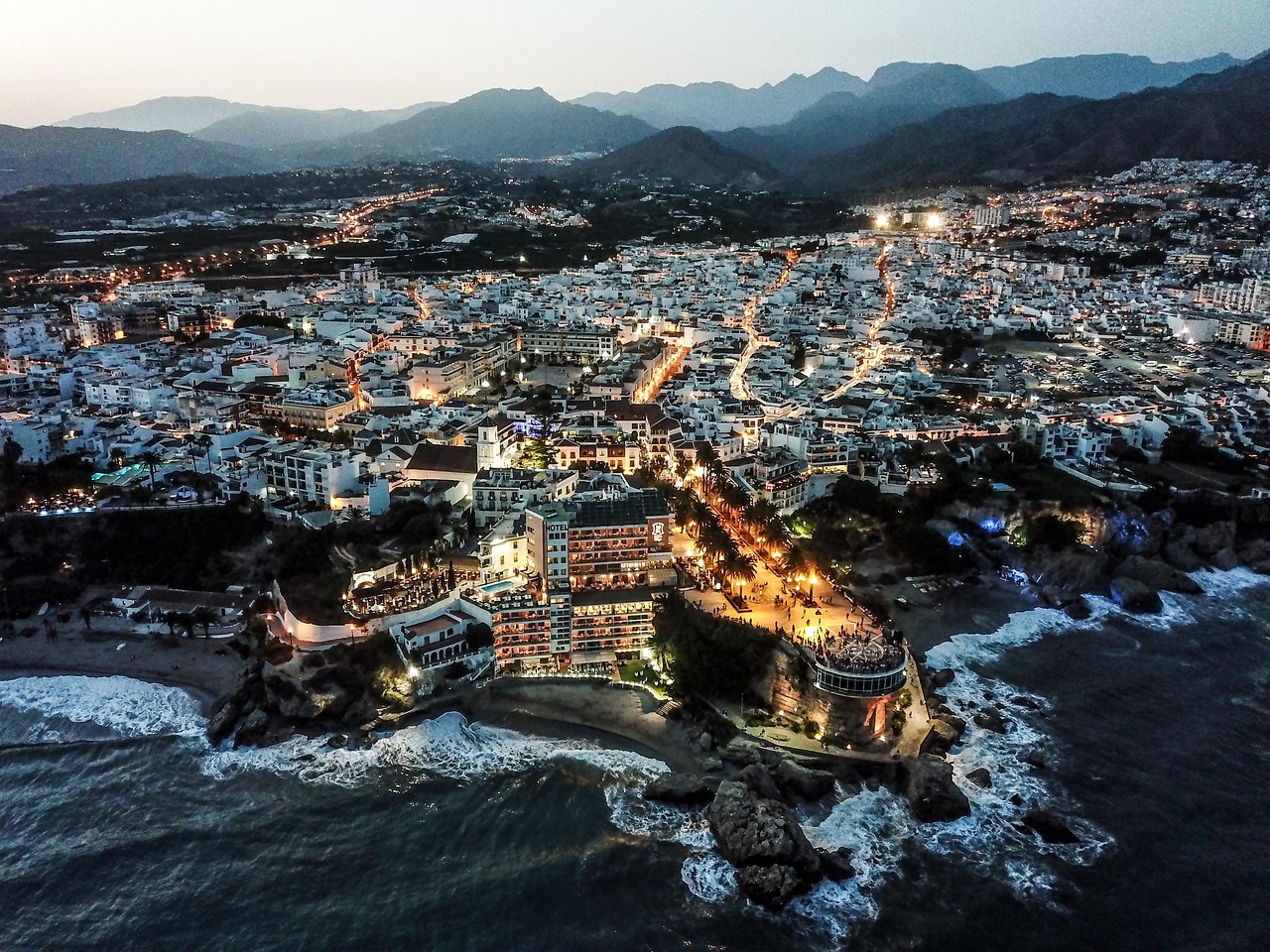
In addition to speed, there are other rules that are important for motorcyclists. In Spain, helmets are mandatory without exception. Gloves are officially recommended, but are not checked everywhere. Reflective safety vests must be carried, especially in the event of a breakdown or accident.
Overtaking on country roads is permitted as long as there is no solid line prohibiting it. However, risky overtaking is punished severely. Drinking and driving is hardly tolerated in Spain. Even small amounts can lead to penalties, especially for motorcyclists. In ours Articles on Spanish laws and regulations for motorcyclists, you will find a detailed list of all the special features.
The right equipment for a motorcycle trip to Spain:
The climate in Spain varies greatly depending on the region. While it can be cool and humid in the north even in summer, the south often experiences extreme temperatures. Flexible equipment is therefore crucial.
A well-ventilated motorcycle jacket with a removable lining is ideal. It protects in cooler temperatures and ensures sufficient air circulation in hot weather. Light but robust motorcycle trousers are also useful, as long stages in high temperatures quickly become tiring.
Gloves should be suitable for both warm and cooler days. Many motorcycle travelers take two pairs with them. When it comes to helmets, we recommend a model with good ventilation and a sun visor, as the sun in Spain can be very intense.
Rain gear is also important to pack, especially in the north and in the mountains. Even if it is warm during the day, weather changes can happen quickly. A hydration solution like a hydration pack is almost essential in hot weather to stay focused and fit.
Luggage, navigation and safety on the go
Stable luggage solutions are important for longer tours. Side cases or waterproof soft bags have proven themselves. A balanced load is important, as many Spanish roads are winding and tempting to drive at high speeds.
When navigating, it's worth using a motorcycle sat nav or a reliable offline app. Mobile reception may be limited in remote areas. GPX routes for winding routes are particularly popular and often lead to real highlights off the beaten track.
When it comes to safety, consider a small first aid kit, a tire repair kit and basic on-board tools. Roadside assistance is well organized in Spain, but waiting times can be longer in rural areas.
Conclusion: Spain is a dream destination – with the right preparation
A motorcycle trip through Spain is no longer an insider tip, but it remains a real highlight for everyone who loves curves, landscape and freedom. At the same time, Spain is a country that sets clear rules and consistently enforces them. Anyone who finds out about toll routes, takes speed traps seriously and adapts their equipment to the climate and route will experience Spain at its best. Motorcyclists who travel prepared in particular benefit from little traffic, non-slip asphalt and impressive routes away from the tourist crowds. Spain rewards caution with driving fun - and that's exactly what makes this country so attractive.
Further links:
DGT – Initio – Transport network in Spain
Tourism in Spain | Information touristiques d’Espagne | Spain.info Spanish Tourist Office
Laws and regulations in Spain – Motorcycling in Spain: Laws, Regulations & Fines.
For many years I have been intensively involved with motorcycles, their technology and all topics relating to safety, maintenance and equipment. My goal is to present practical information in an understandable way, to realistically assess risks and to objectively classify common myths.
All content on moto-guide.com are based on in-depth research, technical classification and my experience in dealing with motorcycles. I want to help riders make informed decisions and use their motorcycle safely and consciously.




Leave a comment
Participate in the discussion?Leave us your comment!