Safe, concentrated and controlled through the cold season
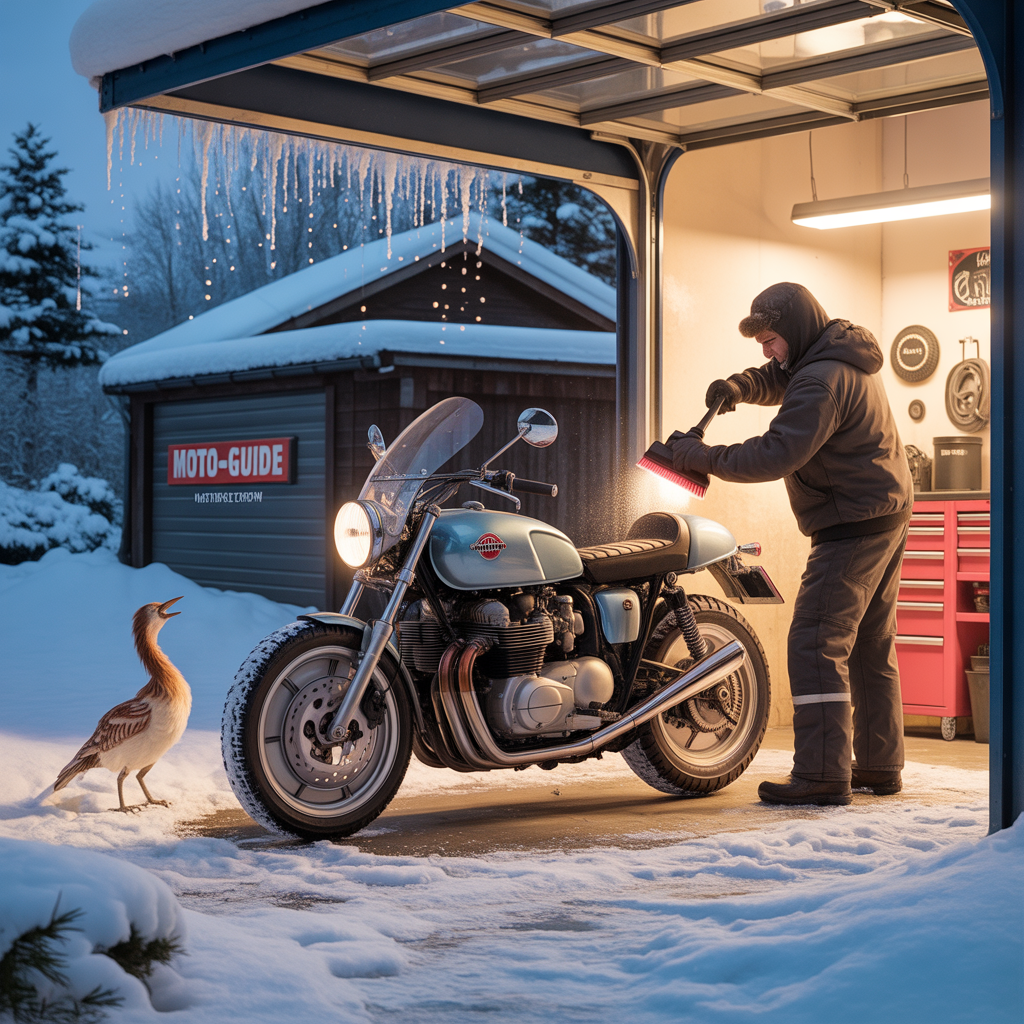
Motorcycling doesn't automatically end with autumn. In winter, for many people, a calmer, more conscious form of driving begins. There is less traffic, clear air and other noises. At the same time, the demands on people and materials are increasing significantly. Cold, damp, dirt and limited visibility affect concentration, responsiveness and driving comfort.
Motorcycle accessories for the winter are therefore not an optional extra. It is a functional part of security. If you drive in winter, you should adapt your equipment specifically. Not to appear particularly tough, but to be able to move the motorcycle in a controlled manner at all times and always have a cozy, warm feeling. Even if the cold wind whistles around your ears.
Why special motorcycle accessories are crucial in winter
Cold changes driving behavior indirectly. Falling temperatures lead to poorer blood circulation in the extremities. Hands and feet become slower and movements less precise. At the same time, the body tires more quickly because it constantly uses energy to maintain body temperature.
There are also external factors. Wet roads, road salt, leaves, early darkness and low sun increase the complexity of every journey. Anyone who encounters these conditions with unsuitable equipment increases the risk unnecessarily and may risk a fall or collision with a third party.
Motorcycle accessories suitable for winter have a clear goal:
It is intended to keep the body warm and efficient without restricting freedom of movement or affecting the operation of the motorcycle.
Winter gloves for motorcyclists
Warmth, protection and fine motor skills
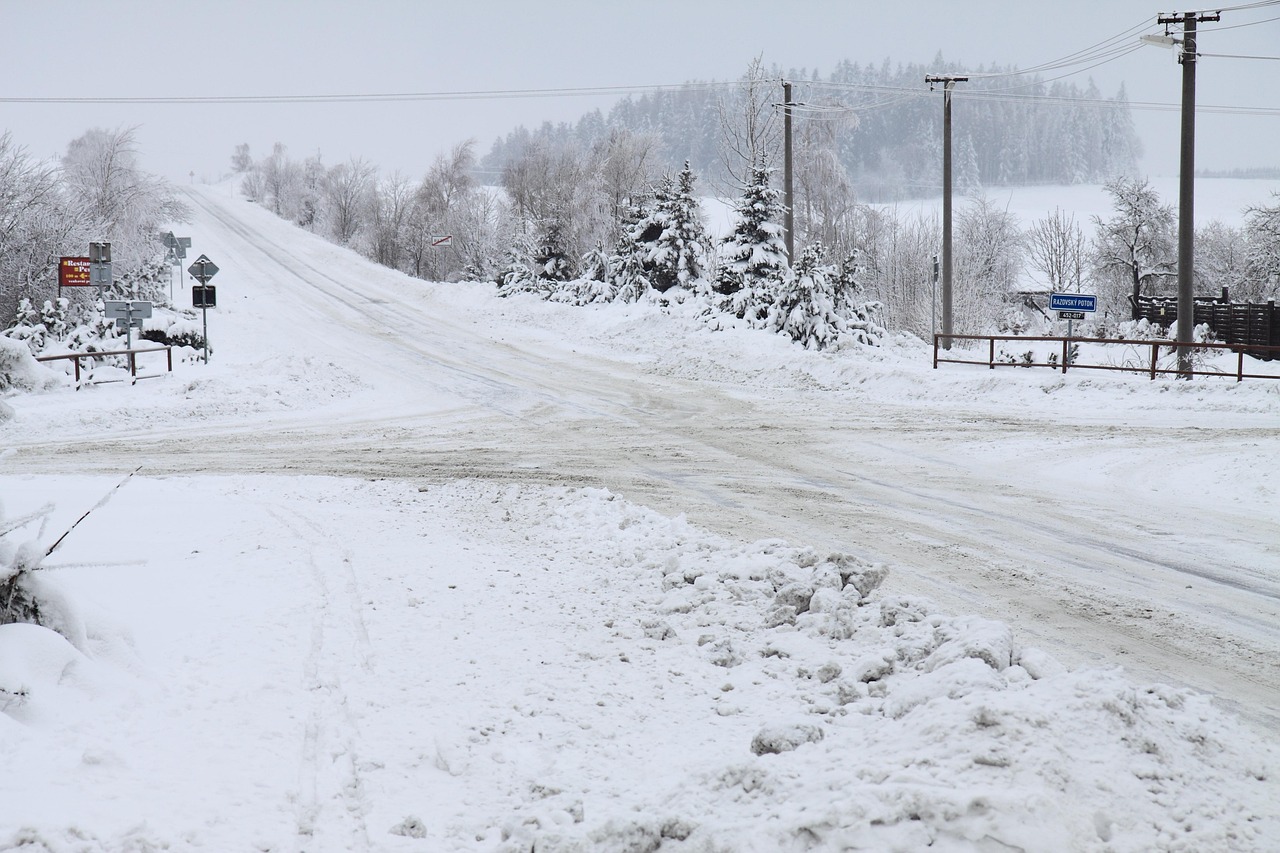
Hands are particularly at risk when riding a motorcycle. They are constantly in the wind and at the same time take on central control tasks. In winter, gloves become one of the most important pieces of equipment.
Good winter gloves for motorcyclists combine several features. An insulating layer retains heat without immobilizing your fingers. A weatherproof construction prevents moisture from penetrating. Wet gloves lose their insulation very quickly. They can cause numbness in the fingers.
The grip of the palm is also crucial. It must be possible to operate the clutch, brake and throttle grip precisely even in cold conditions. An anti-slip surface ensures control is maintained, even in the event of rain or splashing water.
The fit plays a central role. Gloves that are too tight impair blood circulation and lead to cold fingers more quickly. Gloves that are too wide reduce the feel for the controls. Winter gloves should fit snugly without causing pressure points and leave enough room for natural finger movements.
Even in winter, the protection aspect should not be neglected. Reinforcements on the knuckles and palms are standard equipment. Heat is not a substitute for impact protection.
The motorcycle helmet in winter
Visibility, isolation and concentration
In winter, the helmet takes on additional tasks. In addition to protection in the event of a fall, it plays a central role in heat management, noise comfort and visibility.
A common problem at low temperatures is visor fogging. Differences in temperature between the air you breathe and the outside air quickly lead to restricted visibility. A functioning anti-fog system is therefore essential. Clear visibility in winter is not a question of comfort, but rather a safety requirement.
Sealing in the chin and neck area is just as important. Cold airstream not only leads to cooling down, but also to increased noise pollution. Both are tiring and reduce concentration.
Ventilation should be adjustable in winter. Too much air supply cools down, too little air promotes the formation of moisture in the helmet. A balanced ventilation concept ensures a stable indoor climate and reduces distractions.
A motorcycle helmet that is suitable for winter does not stand out due to its extreme properties. Rather, it ensures that the driver can concentrate on the road instead of on the cold, drafts or foggy visors.
Heated motorcycle accessories
Functional support at low temperatures
Heated accessories are a crucial factor in winter operation for many motorcyclists. The benefits become apparent quickly, especially on longer journeys or daily use.
Heated gloves or grip heaters keep your hands constantly warm. This preserves fine motor skills and prevents clutch and brake operation from becoming imprecise. This effect is particularly noticeable on longer journeys or in low temperatures.
Heated vests or outerwear work directly on the torso. A warm upper body supports blood circulation in the arms and legs and reduces general cooling. The heat is distributed evenly without restricting freedom of movement.
The use of such systems requires planning. Batteries must be charged and cables must be routed neatly. However, for drivers who regularly travel in winter, the functional benefits clearly outweigh the negatives.
Heated accessories do not replace suitable basic equipment, but rather complement it in a targeted manner.
Thermal underwear for motorcyclists
The crucial base layer
The most important layer of winter gear lies directly on the skin. Thermal underwear largely determines how effectively all other layers of clothing work.
Their job is to retain heat and wick moisture away from the body. If sweat remains on the skin, it cools down and lowers the body temperature. High-quality underwear prevents this effect and ensures a stable body climate.
Thermal underwear should fit snugly without being restrictive. It must follow movements and not cause pressure points. Modern materials enable good insulation with low volume, which maintains mobility.
Those who are cold in winter often don't wear too little clothing, but rather unsuitable layers.
Motorcycle boots for winter
Protection against cold, wet and loss of control
The feet are particularly stressed in winter. Cold and wet weather rises from the asphalt, while wetness also has a cooling effect. Motorcycle boots suitable for winter must therefore meet several requirements.
An insulating sole reduces cold entry from below. Waterproof materials prevent moisture from entering. At the same time, a non-slip outsole is important in order to have secure footing even on wet surfaces or road salt.
The fit should provide enough space for warmer socks without the foot losing stability. This is the only way to ensure precise operation of the gear lever and foot brake.
Winter boots are not a comfort product. They are a functional part of vehicle control.
Visibility and lighting in winter
Be perceived as a safety factor
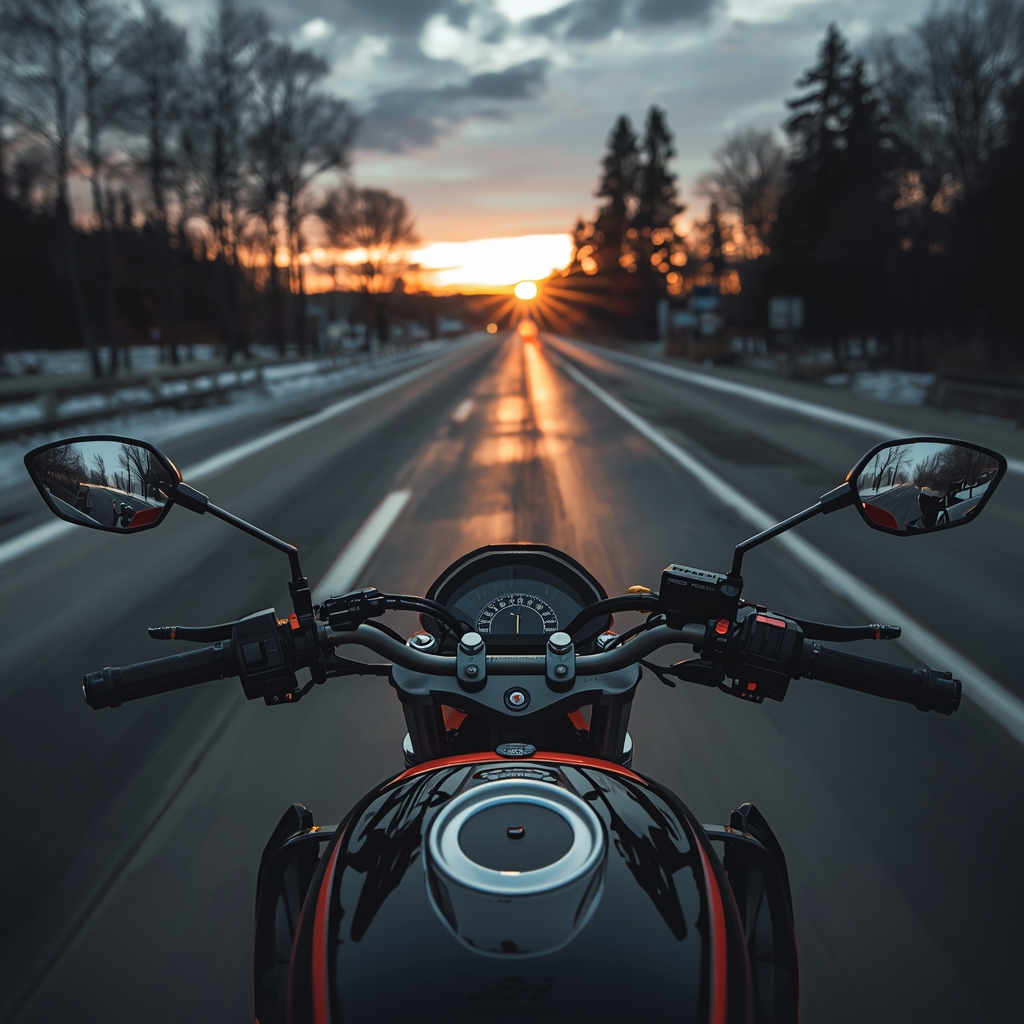
In winter, visibility deteriorates significantly. Short days, dusk, fog and rain increase the risk of being overlooked.
Reflective elements on clothing or accessories significantly improve visibility, especially in low light conditions. Additional light sources on the motorcycle can improve your own visibility and at the same time increase the perception of other road users.
Simple measures such as a clean visor, functioning lighting and clear reflectors are also part of the winter routine. Visibility is an active safety factor in winter.
Wind protection and additional accessories for winter operation
In addition to classic clothing, there are accessories that make winter use much more pleasant. Handlebar covers reduce the direct wind on your hands. Wind deflectors on the fairing or legs reduce cooling while driving.
Insulating seat cushions prevent cold from being transferred directly from the motorcycle to the body. Waterproof pockets for spare gloves or a compact visor cleaning set increase suitability for everyday use.
These components are rarely the focus, but they make a noticeable contribution to overall comfort.
Typical mistakes with motorcycle accessories in winter
A common mistake is selecting purely based on material thickness. A lot of volume does not automatically mean good thermal insulation. The interaction between insulation, moisture management and fit is crucial.
It is equally problematic to try to make summer equipment suitable for winter by adding additional clothing. Summer gloves with undergloves or thin boots with thick socks often result in poorer control. Winter suitability comes from targeted selection, not improvisation.
In the following paragraph you will find the 10 most common mistakes when riding a motorcycle in winter.
Ten typical mistakes when it comes to motorcycle accessories in winter and how to avoid them
1. Adapting the equipment to the season too late
Many motorcyclists only react to the cold when the first ride has already been unpleasant. Then we improvise instead of planning.
How to avoid it: Winter equipment should be prepared before temperatures drop permanently. Those who change early will drive more relaxed and safely.
2. Buy winter gloves that are too small
In winter, many people wear particularly tight gloves to get a better feel for the controls. This often leads to cold fingers.
How to avoid it: Winter gloves should leave enough room for natural finger movements. A good fit promotes blood circulation and maintains fine motor skills.
3. Wearing too many layers of clothing without a system
More clothing does not automatically mean more warmth. Poor layering combinations can limit mobility and trap moisture.
How to avoid it: A clear layering principle is crucial. A functional base layer, an insulating midlayer and a weatherproof outer layer work more efficiently than disorganized layers.
4. Underestimating moisture management
Many riders focus solely on heat and forget that humidity is just as big a problem.
How to avoid it: Materials should actively transport moisture away from the body. If the body stays dry, it stays warm longer. Textiles that retain sweat should be avoided.
5. Continue to use the summer helmet unchanged in the winter
A helmet that works well in summer is not automatically suitable in winter. Drafts and foggy visible surfaces quickly become a problem.
How to avoid it: In winter, the helmet should have adjustable ventilation, good sealing and a reliable anti-fog system.
6. Compensate for unsuitable boots with thick socks
Thin motorcycle boots are often combined with particularly thick socks in winter. This often reduces the grip in the boot.
How to avoid it: Boots suitable for winter should be insulated and weatherproof from the outset. Additional socks can complement, but do not replace, a suitable construction.
7. Use heated accessories incorrectly
Heated gloves or vests are often operated at the highest setting, which quickly drains batteries and can lead to overheating.
How to avoid it: The heating output should be adjusted so that even heat is generated. The goal is stability, not maximum temperature.
8. Treat visibility as secondary
Many drivers continue to rely on dark clothing in the winter, even though visibility is significantly poorer.
How to avoid it: Reflective elements and clearly visible surfaces significantly increase visibility. Visibility should be part of equipment selection.
9. Do not check accessories for suitability for everyday use
Some winter solutions work well in theory, but prove to be inconvenient or annoying in everyday life.
How to avoid it: Equipment should be tested in everyday life before longer journeys. Small adjustments often make a big difference.
10. Ignoring your own physical condition
Cold affects every person differently. What works for others does not automatically have to match your own resilience.
How to avoid it: Your own reaction to cold should be assessed realistically. Breaks, shorter stages and adapted equipment are part of a responsible driving style.
Conclusion: Motorcycle accessories for the winter as part of the riding strategy
Riding a motorcycle in winter requires preparation. The right accessories not only protect you from the cold, but also maintain concentration, control and driving quality. Gloves, helmet, underwear, boots and additional components work together to form a functional overall system.
Anyone who consistently adapts their equipment to winter conditions will drive more relaxed, safer and more predictably. Motorcycle accessories for the winter are not a sign of overcaution, but of experience.
For many years I have been intensively involved with motorcycles, their technology and all topics relating to safety, maintenance and equipment. My goal is to present practical information in an understandable way, to realistically assess risks and to objectively classify common myths.
All content on moto-guide.com are based on in-depth research, technical classification and my experience in dealing with motorcycles. I want to help riders make informed decisions and use their motorcycle safely and consciously.
https://moto-guide.com/wp-content/uploads/2025/12/motorrad-winter-pflege-ausruestung.png10241024Davidhttps://moto-guide.com/wp-content/uploads/2025/12/helmet_white-1.webpDavid2025-12-20 10:07:192025-12-20 10:37:22Motorcycle accessories for the winter – you need these things now!
0Comments
Leave a comment
Participate in the discussion? Leave us your comment!

 Hands are particularly at risk when riding a motorcycle. They are constantly in the wind and at the same time take on central control tasks. In winter, gloves become one of the most important pieces of equipment.
 In winter, visibility deteriorates significantly. Short days, dusk, fog and rain increase the risk of being overlooked.




Leave a comment
Participate in the discussion?Leave us your comment!