
Winter storage for motorcycles without a garage: How to protect your bike safely during the cold season!

When the days get shorter and the nights get colder, the time begins for motorcyclists when they have to get their beloved bike safely through the winter. For many this raises the question: How can I protect my motorcycle without a garage or covered parking space? Simply leaving it outside is risky. Snow, ice, moisture and frost significantly damage paint, metal parts and technology. But with the right preparation, it is entirely possible to get your motorcycle safely through the cold season even without a garage.
This guide will show you step by step how to winterize your motorcycle. Starting with thorough cleaning and caring for tires, chassis, battery and fuel through to proper protection with covers and mini garages. You will also receive practical tips for different types of motorcycles, material recommendations for tarpaulins and chargers and tricks on how to avoid typical winter problems. This way your bike stays intact and you can start riding straight away in the spring.
Cleaning and maintaining your motorcycle: the first step
Before your motorcycle is even sent into winter rest, it should be thoroughly cleaned. Dirt, salt residue or insects can attack paint, chrome and other metal parts over the course of months. Frames, wheel hubs, chains, screw connections and brake systems are particularly vulnerable.
Start with a gentle wash under warm water and mild motorcycle shampoo. Avoid aggressive cleaning agents as they could attack paint, plastic or sensitive coatings. After washing, drying thoroughly is crucial to prevent rusting. Use soft cloths or microfiber cloths to avoid scratching. A layer of wax is then recommended. It also protects the paintwork from moisture and small scratches that could be caused by tarpaulin or frost.
In addition to external care, you should not neglect the internal components either. Changing the oil before storage ensures that the engine remains protected from rust over the winter months. Old brake fluid, which may contain water, should be replaced to prevent corrosion in the lines. It is also advisable to check the antifreeze level of the coolant; especially on motorcycles with water-cooled engines. This is the only way to be sure that no damage is caused by freezing.
For classic or vintage cars, it is worth additionally polishing the chrome parts and caring for the rubber seals. A little silicone spray on sensitive rubber parts protects against drying out and cracking.
Protection without a garage: Finding the right cover
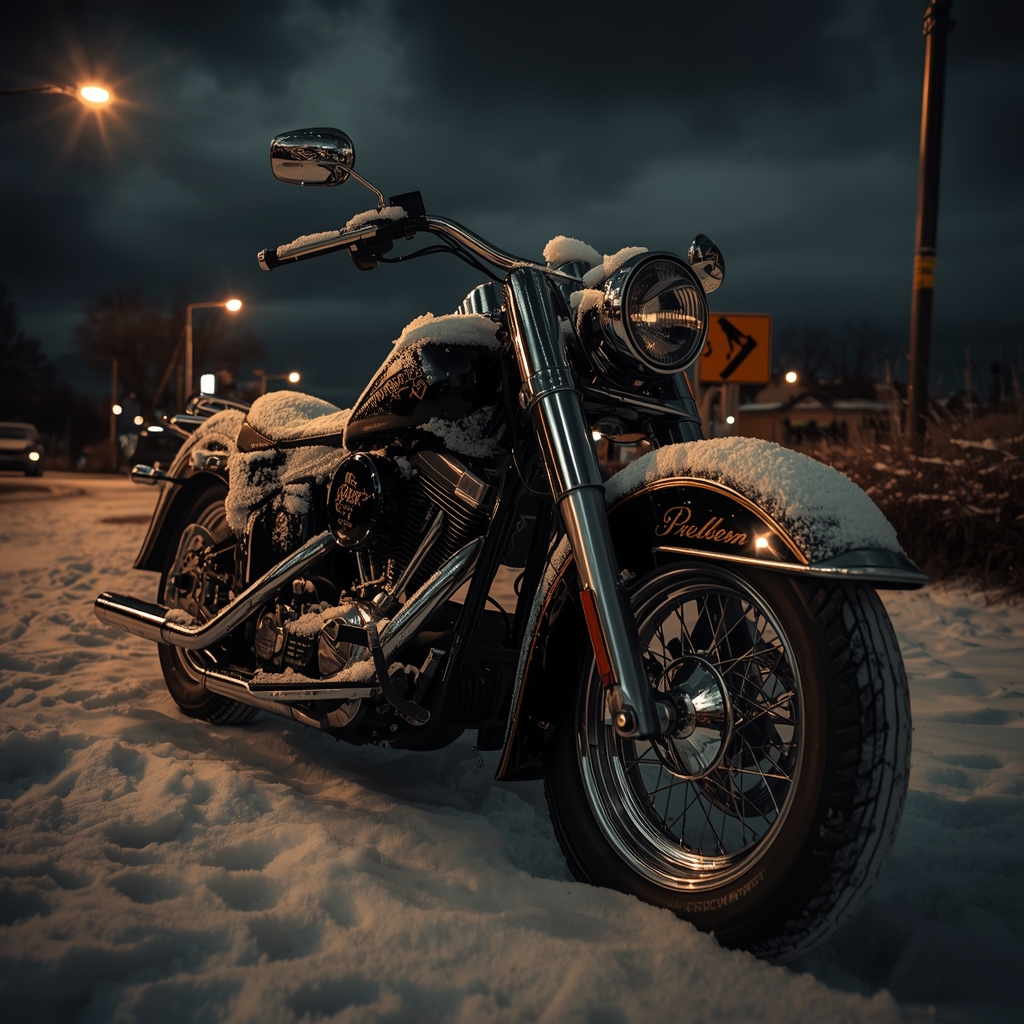
If you don't have a garage, you have to protect the motorcycle outdoors from the elements. A high-quality cover is essential here. Breathable motorcycle tarpaulins that repel water but still allow air to pass through to prevent condensation from forming are ideal. Thermofoil can provide additional protection against frost and is particularly interesting for regions with extreme temperatures.
Outdoor motorcycle covers are waterproof but not airtight, reducing the formation of rust on metal parts. It is important that the cover does not rest directly on sensitive parts such as mirrors, seats or tanks. To avoid scratches, you can place soft fabric pads between the tarpaulin and the paint.
If there is a covered parking space, such as a carport, terrace or balcony, this is ideal. There the motorcycle is protected from direct rain and snow, while a tarpaulin offers additional protection from dust and moisture. For owners who want to further protect their motorcycle, there are mini garages made of metal or plastic that completely enclose the motorcycle while allowing a small amount of ventilation to prevent condensation.
Tires and chassis: Prevent flat spots
Tires are particularly at risk during the winter break. If the motorcycle stands on the tires for a long time, so-called flat spots can form. These lead to deformations that have a negative impact on driving behavior in spring.
It's best to set the tire pressure to the manufacturer's recommended value and use one Stand or trestleto take the weight off the tire. This also relieves the load on the chassis and prevents pressure points on the springs or dampers. For motorcycles with pneumatic tires, you should also ensure that they are not completely deflated, as this can weaken the structure of the tire.
For winter storage over very long periods, tire-friendly wooden blocks or rubber mats under the tires can be helpful to avoid point loading. This investment is particularly worthwhile for heavy cruiser motorcycles, as the risk of flat tires is higher.
Battery care without a power connection
The battery is one of the most sensitive components when the motorcycle is left outside over the winter. Ideally it is disconnected to prevent deep discharge. If a socket is available, it is worth using a trickle charger, which constantly charges the battery over the winter months and significantly extends its lifespan.
If there is no power source available, the battery can be stored in a cool, dry place, but not in extreme subzero temperatures. Some drivers store the battery in an insulated cardboard box or Styrofoam container to protect it from the cold. This keeps the battery healthy and the motorcycle can be started reliably in the spring.
Prepare fuel and carburetor
Fuel can age over the winter months and leave deposits that clog carburetors and fuel injectors. It is therefore advisable to fill the tank full before the winter break to avoid condensation. A fuel stabilizer also ensures that the gasoline stays fresh and deposits are prevented.
On older motorcycles with a carburetor, it may be necessary to drain or clean it to avoid starting problems in the spring. Motorcycles with fuel injection systems also benefit from a stabilizer as it minimizes deposits in the lines. This measure is particularly crucial for gasoline with a high ethanol content to prevent damage.
Motorcycle care after the winter break
With the first days of spring, the motorcycle should be thoroughly cleaned to remove any dust, moisture or dirt left over from storage. Then you need to check the oil, coolant and brake fluid and adjust the tire pressure. Carefully warming up the engine ensures that all systems are functioning optimally again. Only then is the motorcycle ready for the new season.
If you carry out this process carefully, you will not only extend the life of your motorcycle, but also save hassle and repair costs. Small maintenance tasks in the spring prevent major damage that could result from neglect during the winter break.
Tips for different types of motorcycles
Not every motorcycle is the same, so it's worth looking at the special features of each model.
-
Sports motorcycles: Lighter bikes particularly benefit from stands to relieve the strain on the tires. Electronic systems such as ABS or traction control should be checked before winter storage.
-
Cruisers: Heavier bikes require sturdy stands or supports to avoid standing plates. Maintain chrome parts regularly as they are more susceptible to rust.
-
Tourers / Enduros: Motorcycles with large tanks or sensitive electronics should be additionally covered and possibly protected with thermal foil.
-
Classic / vintage cars: Particularly careful care of the paint, chrome, seals and carburettor is necessary here. A professional storage service can be worthwhile.
Alternative storage options
If you don't have a garage, you still have various options. Professional storage services offer temperature-controlled, secure storage areas, often including maintenance, battery care and tire relief. Rented containers also offer protection from wind and rain. It is important to ensure adequate insulation and ventilation to avoid condensation and mold formation. This service is particularly worthwhile for valuable motorcycles as it offers additional security.
Avoid common mistakes
The most common mistakes made during winter storage can be avoided. These include parking without a cover, neglecting the battery, unsecured fuel and unloaded tires. If you take these points into account, you can be sure that the motorcycle will make it through the winter unscathed. Small investments in stands, tarpaulins or chargers pay off in the long term.
FAQ – Winter storage without a garage
Can I just cover my motorcycle outside?
Yes, a high-quality, breathable tarpaulin protects the bike from rain, snow and dust without trapping moisture.
Do I have to reduce the tire pressure?
No, the pressure should remain at the recommended value. It is ideal to park the motorcycle on a stand.
How long does a battery last without a power connection?
Without charging, the battery can be discharged in two to three months. A trickle charger is recommended.
Should the tank be filled to capacity?
Yes, a full tank reduces condensation and protects the tank from rust.
How can I protect the motorcycle in extreme temperatures?
Cover combined with a covered parking space or mini garage offers optimal protection. Thermal foil can also keep out the cold.
Is professional storage worth it?
Yes, especially for valuable bikes or when no protected area is available. Many providers also offer maintenance and care.
Conclusion
Even without a garage, you can safely transport a motorcycle over the winter. With thorough cleaning, fluid and tire care, battery protection, stabilized fuel and the right cover, the bike will survive the cold season unscathed. If you take the time to prepare your motorcycle carefully, you can start the new season without any worries in the spring.

For many years I have been intensively involved with motorcycles, their technology and all topics relating to safety, maintenance and equipment. My goal is to present practical information in an understandable way, to realistically assess risks and to objectively classify common myths.
All content on MOTO-guide.com are based on in-depth research, technical classification and my experience in dealing with motorcycles. I want to help riders make informed decisions and use their motorcycle safely and consciously.




Leave a comment
Participate in the discussion?Leave us your comment!