
Take a proper break on your motorcycle tour –
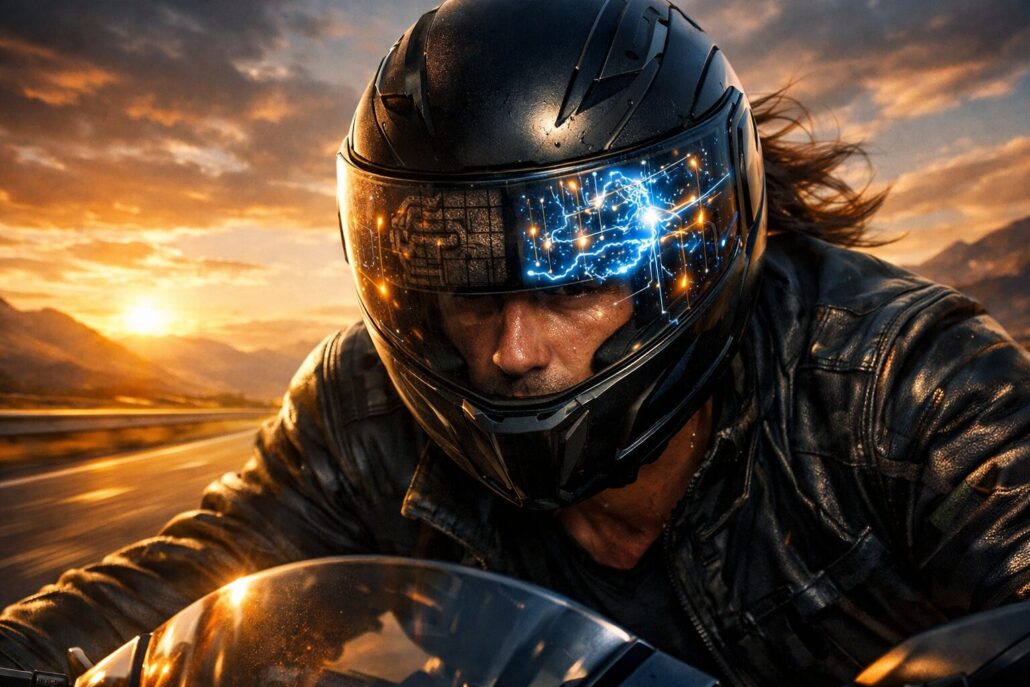
It's probably the most dangerous situation for every biker: you're on a tour of the Alps or a long stretch of motorway heading south, and suddenly your eyes start to burn. Concentration wanes, the ideal line in the curve becomes unclean, and the worst feeling of all creeps in - a leaden weight on your shoulders that cannot be shaken off by even the strongest sip of coffee at the gas station.
Many motorcyclists are familiar with the phenomenon Tiredness despite breaks. You stop every two hours, have a drink, stretch your legs, but as soon as the visor is down again, the exhaustion returns. Why is that? Why is “normal” rest often not enough when riding a motorcycle? In this comprehensive guide, we analyze the biological, physical and psychological background of “biker fatigue” and show you how to break the vicious circle of exhaustion.
1. The anatomy of exhaustion on two wheels
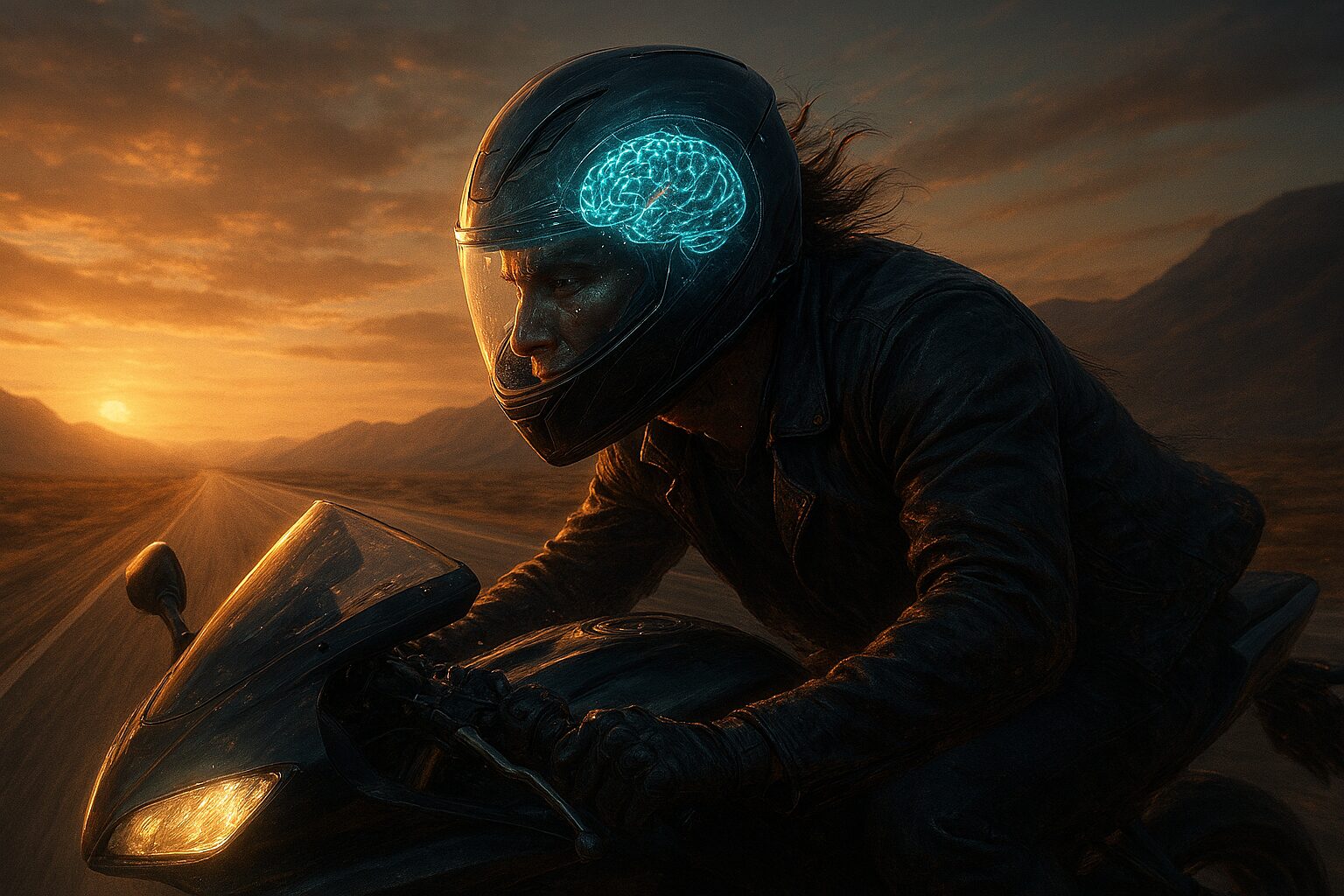
Compared to driving a car, riding a motorcycle is one High-performance sport for the brain. While sitting passively in an air-conditioned cage in the car, the motorcyclist is exposed to constant stimuli that place massive demands on the central nervous system (CNS).
Sensory Overload
Behind the handlebars, our brain processes thousands of pieces of information every second: wind noise (often over 90 decibels), vibrations of the machine, the visual recording of the road, the assessment of the speed of other road users and the constant fine-tuning of the balance. When we take a break, we often sit in a noisy gas station or scroll on our cell phone.
The problem: The brain does not go into “silent mode”. Sensory fatigue persists even when the legs rest briefly.
The wind factor and dehydration
Many bikers underestimate the wind. This not only cools, but also removes massive amounts of fluid from the body through evaporation - often unnoticed - under the leather suit. A fluid loss of just 2% of body weight reduces the ability to concentrate by up to 20%. This is life-threatening on a motorcycle as the reaction time drops drastically. Did you know that?
2. Why traditional breaks often fail: The “break trap”
We take breaks, but we often take them wrong. A typical stop at a motorway service station looks like this:
Engine off, helmet off, queue for a coffee, quick check of the news, maybe a chocolate bar, helmet back on and onwards. The result: The stress level (cortisol) remains high.
- Digital stress: The blue light from the smartphone signals the brain to continue working instead of resting.
- Insulin roller coaster: The sugar in the candy bar causes a brief insulin rush, followed by an even deeper “sugar hole” after 30 minutes of driving.
- Lack of oxygen supply: We often stand or sit during breaks. The blood pools in the legs instead of supplying the brain with fresh oxygen.
3. The 7 Types of Recreation for Motorcyclists
To truly become fresh, we need to understand which Art is empty of energy. Dr. Saundra Dalton-Smith identified seven areas of recovery that are essential for bikers:
| type of recovery | Meaning for BIKER WHAT | Which really helps |
|---|---|---|
| Physically | Muscle tension due to sitting position. | Targeted stretching of the hips and neck. |
| Mentally | Loss of concentration when navigating. | 5 minutes of silence without a helmet and without a cell phone. |
| Sensory | Noise pollution from wind and engines. | High-quality hearing protection (earplugs). |
| Creative | Tunnel vision on long journeys. | Consciously viewing the landscape (without a camera). |
| Emotionally | Pressure to perform in the group. | Communicate honestly: “I need 15 minutes of peace and quiet.” |
| Social | Exhaustion from constant intercom chatter. | Turn off the intercom, drive the solo stage. |
| Spiritual | Loss of “flow” feeling. | Reflection on the reason for the journey (freedom). |
4. Biological causes: When the body goes on strike
Fatigue is often not a lack of willpower, but a biochemical problem. If breaks don't help, there are often medical reasons behind it.
Nutrient deficiency and blood values
If you have chronic exhaustion, have the following values checked:
- Iron & Ferritin: Responsible for oxygen transport. A deficiency makes you weak and short of breath.
- Vitamin B12 & Magnesium: Important for nerve conduction and muscle function on long tours.
- Vitamin D: A deficiency leads to diffuse fatigue, especially after the winter break.
Sleep Apnea: The Silent Killer of Recovery
Do you wake up feeling exhausted in the morning despite 8 hours of sleep? Do you have a headache in the morning?
People with sleep apnea stop breathing at night. The result: the body never reaches deep sleep. On the motorcycle, this inevitably leads to dangerous microsleep. A trip to the sleep laboratory can save your life.
5. The perfect break strategy: The 3-pillar rule
Forget the classic gas station break. Use this on your next tour 3 pillar rule for maximum regeneration:
Pillar 1: Thermal decompression
Remove the helmet and gloves immediately. Open the station wagon wide. The body needs to get rid of excess heat. Exposure to heat (hyperthermia) in the helmet increases the heart rate and makes you extremely tired. Ideally, cool your wrists under running water.
Pillar 2: Targeted Hydration & Brain Food
Don't drink lots of pure water, instead rely on electrolytes. A small splash of apple juice with a pinch of salt in the water works wonders. Eat nuts or bananas instead of currywurst. This avoids the “soup coma,” in which blood is concentrated in the stomach for digestion instead of the brain.
Pillar 3: Vagus Nerve Activation
Splash ice-cold water on your face. This activates the “diving reflex,” lowers the heart rate and immediately releases adrenaline, which stabilizes alertness for the next 60-90 minutes.
6. Sleep hygiene for bikers: The night before the tour
The tour begins the evening before. If you start with a sleep deficit, it will be difficult for you to make up for it while driving.
- Circadian stability: Go to bed at your usual time.
- Temperature management: The bedroom should be 16-18 degrees. Heat during sleep prevents the nightly regeneration of nerve cells.
- Blue light ban: Finish planning the route on the navigation system and put your smartphone away 60 minutes before you go to sleep. Instead, read a paper book or motorcycle magazine. Alternatively, you can also listen to our articles as an audio book or podcast.
7. Warning signs: When you should stop the tour:
Honesty with yourself is the best protection. Cancel or find a hotel if:
- You can no longer remember the last 5 kilometers driven.
- You start to shiver even though the outside temperature is warm.
- You approach the curves too late or steer “squarely”.
- Hallucinations occur on the side of the road (e.g. supposed animals that turn out to be posts).
Frequently asked questions (FAQ) about fatigue while riding a motorcycle
1. Why do I get tired more quickly when riding a motorcycle than in a car?
Riding a motorcycle requires constant whole-body activation and extremely high cognitive performance. Processing wind noise, vibrations and constantly maintaining balance place a significantly greater strain on the central nervous system than sitting passively in an air-conditioned car.
2. Does coffee really help with fatigue on tour?
Coffee (caffeine) only acts as a short-term blocker for adenosine (the substance that causes fatigue). As soon as the effect wears off, fatigue often returns suddenly. Caffeine also has a slightly dehydrating effect, which can be counterproductive in the heat under the suit.
3. How often should I really take breaks on a day trip?
A break of at least 10-15 minutes should be taken every 90 to 120 minutes. This corresponds to the ultradian rhythm of our body. Don't wait for concentration errors to occur.
4. Why do I often feel extremely weak after lunch on tour?
This is the so-called “soup coma” (postprandial fatigue). Heavy meals send a lot of blood into the digestive tract, which is then missing from the brain. At lunchtime, opt for light snacks such as bananas, nuts or yoghurt.
5. What influence does the helmet have on fatigue?
A poorly ventilated helmet leads to heat buildup and CO2 buildup, which makes you sleepy. In addition, a loud helmet without hearing protection is a stress factor for the brain. Quiet helmets and earplugs are effective remedies for premature fatigue.
6. Can dehydration cause microsleep?
Yes. Lack of fluid thickens the blood, reducing oxygen supply to the brain. This leads to burning eyes, headaches and massively increased sleepiness, even dangerous microsleep.
7. What can I do if I notice that my eyes are getting heavy?
Stop immediately! Brief activation with cold water on the face, stretching exercises or a 15-minute “power nap” in a safe place are the only effective immediate measures. Continuing to drive is life-threatening.
8. Why am I already tired in the morning despite 8 hours of sleep?
This can indicate poor sleep quality. Causes can be a sleeping environment that is too warm, stress or organic problems such as sleep apnea (stopped breathing). If fatigue persists, get this checked by a doctor.
9. Do hydration systems (Camelbaks) help against fatigue?
Yes, absolutely. They allow you to drink small amounts of water continuously without stopping. This keeps the fluid balance stable and prevents the typical drop in performance caused by dehydration.
10. Is fatigue a symptom of burnout or depression?
Chronic exhaustion, which doesn't get better with rest, is a classic warning sign of psychological overload. If the desire for driving (and other hobbies) permanently disappears, a doctor or therapist should be consulted.
Conclusion: Proactive energy management
Fatigue despite breaks is a complex signal from your body.
As a motorcyclist, it is your duty not to ignore this signal. True driving pleasure only comes from a rested mind and a fit body. Stop fighting fatigue with caffeine - start systematically addressing the causes.
For many years I have been intensively involved with motorcycles, their technology and all topics relating to safety, maintenance and equipment. My goal is to present practical information in an understandable way, to realistically assess risks and to objectively classify common myths.
All content on moto-guide.com are based on in-depth research, technical classification and my experience in dealing with motorcycles. I want to help riders make informed decisions and use their motorcycle safely and consciously.




Leave a comment
Participate in the discussion?Leave us your comment!