The days are getting shorter, the nights colder, and at some point it's clear: the bike has to go into its winter break. But where, if you don't have a garage or a covered parking space? Storing a motorcycle for winter without a garage is doable, but you shouldn't just park it outside. Snow, ice, moisture and frost take their toll on paint, metal parts and technology. With the right preparation, your motorcycle will still get through the cold season well.
Here we go step by step through how to winterise your motorcycle: from a thorough clean through tyres, suspension, battery and fuel to the right cover or mini garage. There are also tips for different types of motorcycle, advice on covers and chargers, and the typical mistakes you can avoid. Then your bike will be ready to go in spring.
Cleaning and care: the first step
Before your motorcycle goes into winter rest, it needs a thorough wash. Dirt, salt residue and insects attack paint, chrome and metal parts over the months. The frame, wheel hubs, chain, bolted joints and brakes are particularly sensitive.
Wash the bike gently with warm water and mild motorcycle shampoo. It's better to avoid aggressive cleaners because they can attack paint, plastic or sensitive coatings. Thorough drying afterwards is a must, otherwise rust sets in. Use soft cloths or microfibre towels so nothing gets scratched. Finally, a layer of wax is worthwhile. It additionally protects the paint from moisture and small scratches from the cover or frost.
There are also a few things to do on the inside. An oil change before storage protects the engine from rust over the winter. Old brake fluid can contain water and should be replaced so the lines don't corrode. Also check the antifreeze in the coolant, especially on water-cooled engines. Only then can you be sure nothing freezes.
For classics and vintage bikes, it's also worth polishing the chrome parts and caring for the rubber seals. A little silicone spray on sensitive rubber parts protects against drying out and cracking.
Protection without a garage: the right cover
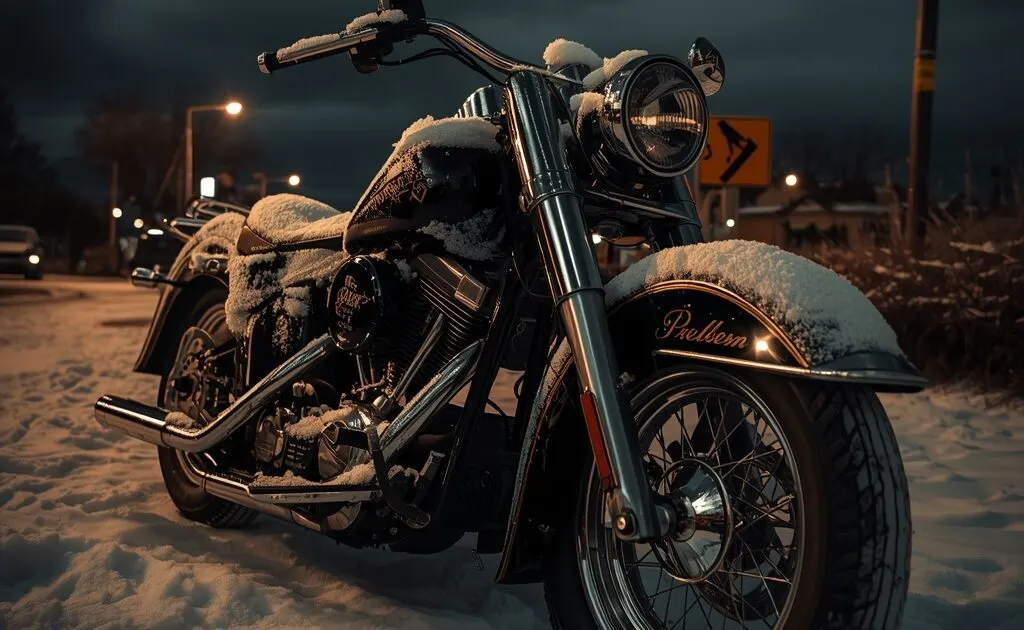
Without a garage, your motorcycle must be protected from the weather outdoors, and for that you need a good cover. Breathable motorcycle covers are ideal: they keep water out but let air through so no condensation collects. Thermal foil additionally protects against frost and is particularly interesting in regions with very low temperatures.
Outdoor motorcycle covers are waterproof but not airtight. This means less rust on the metal parts. Make sure the cover doesn't rub directly on sensitive areas such as mirrors, seat or tank. Soft fabric pads between cover and paint prevent scratches.
If you have a covered spot such as a carport, terrace or balcony, that's ideal. There the motorcycle is protected from direct rain and snow, and the cover also keeps out dust and moisture. Even more protection is offered by mini garages made of metal or plastic. They enclose the motorcycle completely and still have a small vent against condensation.
Tyres and suspension: preventing flat spots
During the winter break, the tyres suffer most. If the motorcycle stands in the same spot for a long time, flat spots can form. You notice the deformation in spring when riding.
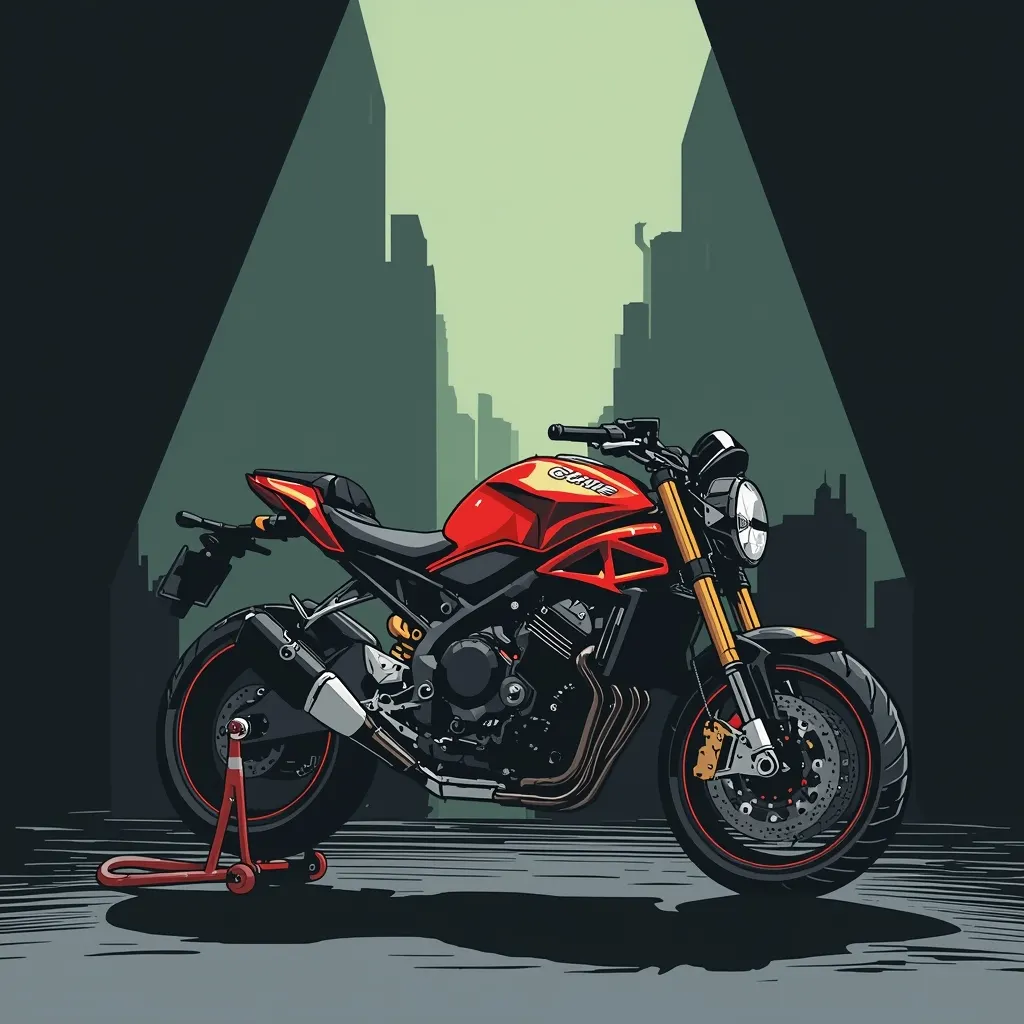
Set the tyre pressure to the manufacturer's value and put the motorcycle on a stand or paddock stand so no weight rests on the tyres. This also relieves the suspension, and no pressure marks form on springs and dampers. Also never let all the air out – that weakens the tyre's structure.
For very long standing times, tyre-friendly wooden blocks or rubber mats under the wheels help so the load doesn't press on one spot. This is particularly worthwhile for heavy cruisers, where flat spots develop more quickly.
Battery care without a power connection
If the motorcycle stands outside, the battery is one of the most sensitive parts. It's best to disconnect it so it doesn't discharge deeply. If there is a socket nearby, a maintenance charger is worthwhile. It keeps the battery charged over the winter and significantly extends its life.
Without a power source, remove the battery and store it cool and dry, but not in severe frost. Some riders put it in an insulated box or polystyrene container to protect it from the cold. That way the battery stays fit and the motorcycle starts reliably in spring.
Preparing fuel and carburettor
Petrol ages over the winter and can form deposits that clog carburettors and injection systems. So fill the tank before the break – less condensation forms. A fuel stabiliser also keeps the petrol fresh and prevents deposits.
On older motorcycles with a carburettor, it may be necessary to drain or clean it so there are no starting problems in spring. Fuel-injected motorcycles also benefit from the stabiliser because it reduces deposits in the lines. This is particularly important with petrol that has a high ethanol content.
After the winter break: getting the motorcycle fit again
On the first spring days, clean the motorcycle thoroughly and remove dust, moisture and dirt. Then check oil, coolant and brake fluid and set the tyre pressure. Then start the engine and ride the first kilometres gently instead of letting it idle for a long time. That way it warms up evenly. Then the bike is ready for the season.
If you do this carefully, your motorcycle will last longer and you'll save yourself hassle and repair costs. A few small tasks in spring prevent bigger damage that would otherwise result from a neglected winter break.
Tips for different types of motorcycle
Not every motorcycle needs the same. Depending on the type, there are a few special points:
Sports bikes: light bikes are easy to put on a stand, which relieves the tyres. Check electronics such as ABS or traction control before storage.
Cruisers: heavy bikes need sturdy stands or supports against flat spots. Care for the chrome parts regularly – they rust faster.
Tourers / enduros: machines with large tanks or sensitive electronics should be well covered and possibly additionally protected with thermal foil.
Classics / vintage bikes: paint, chrome, seals and carburettor need particular attention here. A professional storage service can be worthwhile.
Alternatives to your own garage
Even without a garage you have options. Professional storage services offer temperature-controlled, secure spaces, often with maintenance, battery care and the bike on stands. A rented container also protects against wind and rain. Make sure it is well insulated and ventilated, otherwise condensation and mould are a risk. For valuable motorcycles, such a service is particularly worthwhile because it brings additional security.
Common mistakes in winter storage
The typical mistakes are easy to avoid: parking the motorcycle without a cover, forgetting the battery, not preparing the fuel and not taking the weight off the tyres. If you pay attention to these, your bike will get through the winter intact. Small investments in stands, covers or chargers pay off in the long run.
Frequently asked questions about winter storage without a garage
Can I just cover my motorcycle outside?
Yes. A high-quality, breathable cover protects the bike from rain, snow and dust without trapping moisture.
Do I need to reduce the tyre pressure?
No, the pressure should stay at the recommended value. It's best to put the motorcycle on a stand.
How long does a battery last without a power connection?
Without charging it can be flat after two to three months. A maintenance charger is therefore recommended.
Should I fill up the tank?
Yes. A full tank reduces condensation and protects the tank from rust.
How do I protect the motorcycle in severe frost?
Ideally with a cover combined with a covered parking space or a mini garage. Thermal foil also keeps out the cold.
Is professional storage worth it?
Yes, especially for valuable bikes or if you don't have a protected space. Many providers also take care of maintenance and care.
Conclusion
Even without a garage, you can get your motorcycle safely through the winter. Clean it thoroughly, check fluids and tyres, look after the battery, stabilise the fuel and put a suitable cover on it: then the bike will survive the cold season without damage. If you take the time in autumn, you can start the new season in spring without worries.