Get a motorcycle license: The honest guide for beginners – costs, driving lessons & insider tips
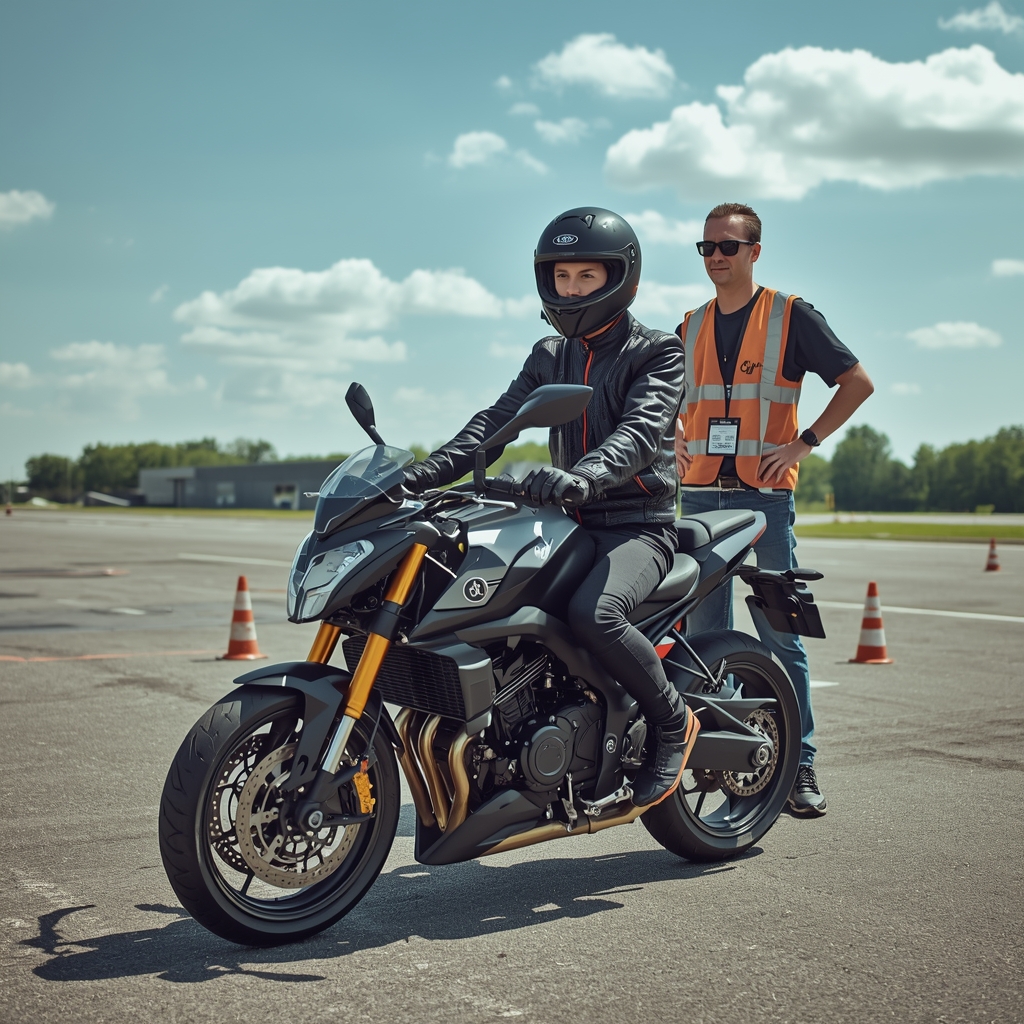
The decision to ride a motorcycle rarely comes from pure reason. Mostly it's a feeling. Maybe it was the sound of an engine at a traffic light, maybe an encounter with a motorcyclist on a mountain pass or simply the desire for more freedom and independence. Anyone who seriously considers getting a motorcycle license will quickly notice:
The path to appearance is clearly regulated, but is often emotionally more intense than one expects. This is exactly where this guide comes in. He accompanies you realistically, honestly and practically from the first thought to the moment when you sit alone on your motorcycle after the test and drive off.
What you need to consider before your first driving lesson:
Before the first driving lesson can even take place, the fundamental decision has to be made as to which driving license class is the right one. In Germany, A1, A2 and A differ not only in engine power and minimum age, but also in the nature of the training. Many novice drivers underestimate how much this choice will later affect costs, learning speed and driving experience.
Anyone who is young or deliberately wants to start small often opts for A1, while older beginners usually start directly with A2 or - from the age of 24 - with the open class A. From the perspective of many experienced riders, A2 is the most sensible compromise: powerful enough to ride real motorcycles, but still easy to control for beginners. If you More information about the different driving license classes If you want to know, we recommend the website of the Federal Ministry for Digital and Transport. This is exactly what is reflected in many of them Experience reports from the motorcycle community reflected.
Once you have decided on a class and registered at the driving school, the theoretical part of the training begins. Theory is underestimated or even laughed at by many, but it is essential, especially for motorcyclists. Unlike in a car, on a motorcycle you are more vulnerable, more directly connected to the environment and more dependent on anticipatory driving. Anyone who really understands the danger theory and doesn't just memorize questions will drive more relaxed and safer later on.
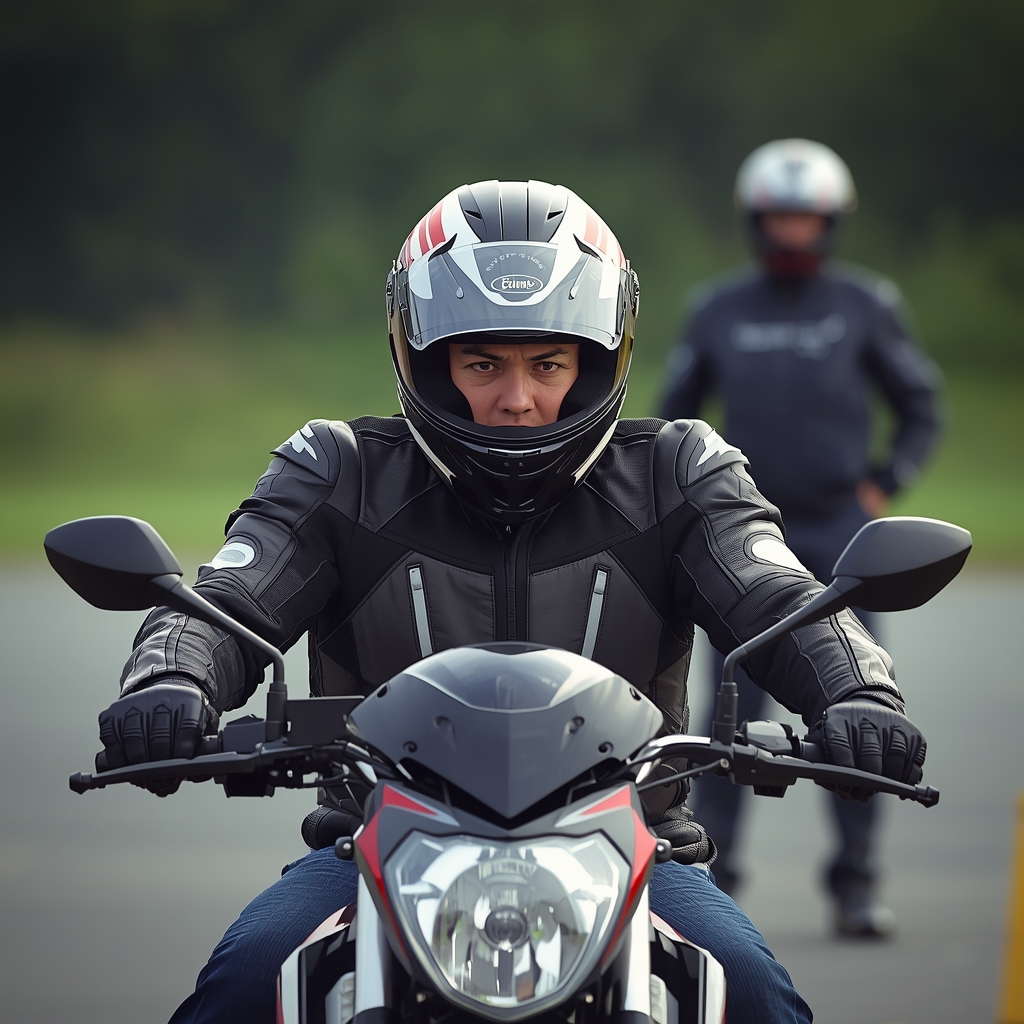
A tried and tested approach is to complete theory as early as possible, ideally outside of the main season. Many driving students report that they were able to concentrate significantly better in the winter and were able to start their practice seamlessly in the spring, without time pressure or deadline stress.
The moment when you move from theory to the motorcycle is the real turning point for most people. This is exactly where it becomes clear how unrealistic many ideas about motorcycling are. In some reports, learner drivers describe very openly that the first practical lessons have less to do with speed and curves and more to do with things that they had barely considered before. Push the motorcycle, check the weight, find the clutch slip point, start cleanly, drive slowly, keep your balance. Slow driving in particular is described as surprisingly difficult by almost all beginners. The motorcycle wants to tip over, your eyes instinctively look down, the clutch feels foreign. This is not a sign of lack of talent, but completely normal.
A recurring pattern in the reports is the moment when something suddenly clicks. Often it is just a small exercise, a clean figure of eight or a smooth start without jerking that increases self-confidence enormously. Many describe this moment as the first real contact with the feeling of riding a motorcycle. Wind, engine vibrations and the direct connection to the machine ensure a mixture of respect and enthusiasm that you never experience in a car. At the same time, it becomes clear how important a patient driving instructor is. Good driving instructors leave room for mistakes, explain calmly and build systematically. Bad driving instructors, on the other hand, create pressure and that is exactly what blocks learning processes.
As safety on the practice field increases, the focus shifts to road traffic. This is where theory often separates from reality. Suddenly it's no longer just about technology, but about traffic situations, other road users, unpredictable reactions and stress. Many learner drivers feel mentally overwhelmed, especially at the beginning. Gas, clutch, brake, indicators, shoulder glance, traffic signs. All at the same time. That is also normal. Experience reports show that this excessive demand usually subsides after a few hours as soon as certain processes are automated. Those who remain patient during this phase and ride regularly often make very rapid progress.
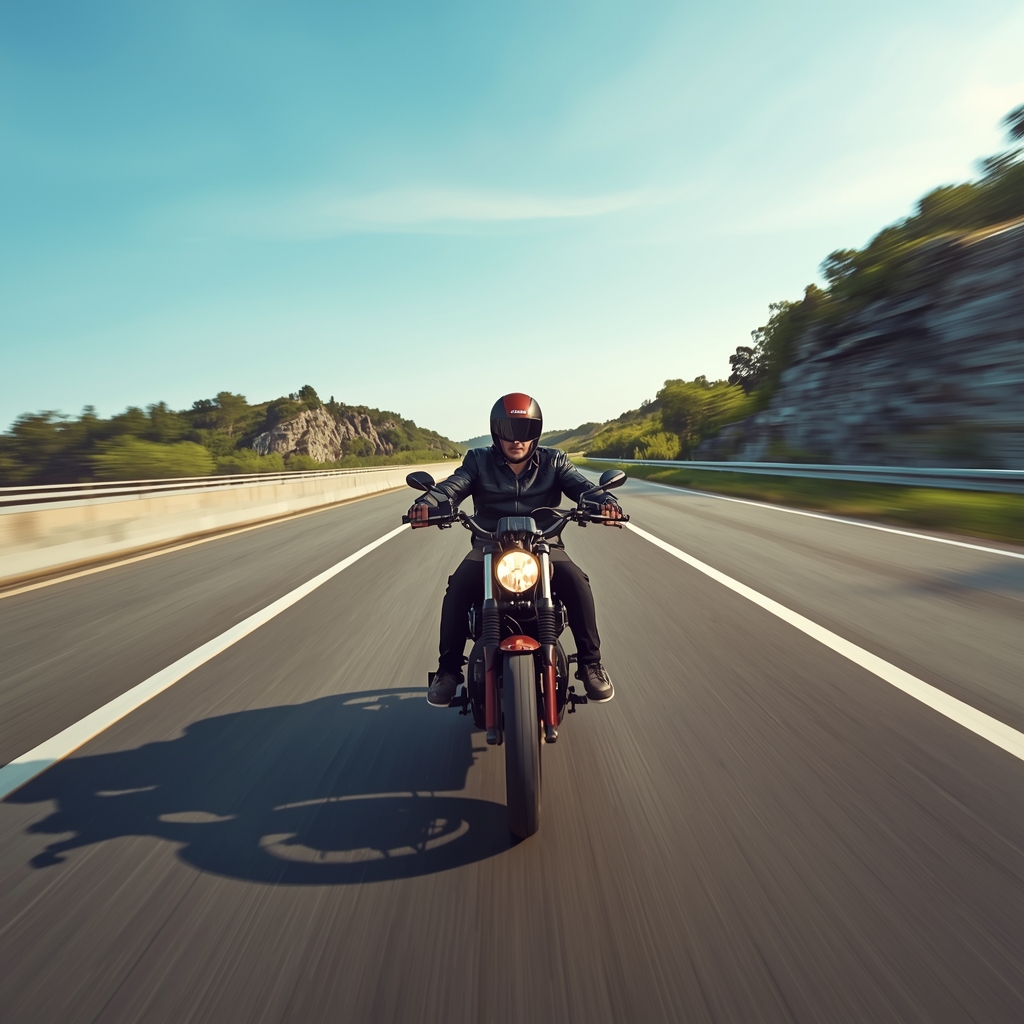
Special trips are not the fly in the ointment
An important part of the training are the so-called special trips. Overland, highway and night driving are mandatory and have a clear purpose. For many beginners, driving on the highway feels threatening at first, especially on a motorcycle. High speeds, crosswinds, truck traffic; all of this requires concentration. At the same time, many student drivers report looking back that these trips in particular increased their self-confidence enormously. The situation is similar with night driving. Anyone who has ever driven in the dark automatically learns to drive more defensively, more proactively and calmly.
A topic that comes up sooner or later in almost every forum and in every driving school is costs. The motorcycle license is expensive, there is no way around it. Depending on the region, driving school and individual talent, the total costs are often between 1,500 and 2,500 euros or even more. Many people underestimate the additional costs for protective clothing. Helmet, jacket, trousers, gloves and boots are not an afterthought, but a central part of the training. Anyone who saves here is saving in the wrong place.
At the same time applies: Expensive doesn't automatically mean better. Well-fitting, certified textile clothing is often more useful than stiff leather, especially for beginners.
Insider knowledge from the community shows that you can definitely influence the overall costs. If you go into driving lessons well prepared, drive regularly and don't take too long breaks between lessons, you usually need fewer practice hours. Open communication with the driving instructor is also crucial. Those who clearly state where uncertainties lie receive more targeted training and learn more efficiently. Another tip from practice: Additional practice in closed areas or traffic training areas can work wonders, especially with basic driving exercises such as slalom or slow driving.
What you or the examiner need to know when taking a driving test:
For many people, the practical exam itself is the most emotional part of the entire process. Nervousness is part of it; almost every learner driver is tense. Interestingly, many report that, in retrospect, the exam was easier than expected. Anyone who drives cleanly, stays calm and doesn't take unnecessary risks has a very good chance of surviving. Auditors pay less attention to perfection than to security, overview and controlled behavior. Small errors are often not a problem as long as they are recognized and corrected in a timely manner. Anyone who practices defensive driving here has even better chances.
Lessons begin after the driving test:
After passing the test, a section begins that is often little talked about in driving schools: the actual learning phase. The driver's license is not the end point, but the start. Many experienced motorcyclists say, looking back, that they learned more in the first few months after the exam than during the entire training. Make your own decisions, drive alone, plan tours, deal with changing conditions. All of this is just now coming to fruition. That's why experienced drivers strongly advise not to overestimate yourself after the test. Choosing a motorcycle that is easy to control, riding regularly, and continuing to consciously work on technique and vision is the key to long-term safety.
Why learning from mistakes is important for survival:
Typical questions from new drivers always revolve around the same topics. How many driving hours are normal? The honest answer is: as many as necessary. Everyone learns at different speeds, and comparisons are of little help here. The question of whether you can fail is also legitimate. Yes, that can happen, but it's not a drama.
Many very good motorcyclists fail on their first attempt. The key is to learn from it and not lose heart. Another common theme is the fear of falling over. The same applies here: almost everyone has their motorcycle tipped over at least once during training. This is part of the process and is not a sign of incompetence.
Frequently asked questions about motorcycle licenses
1. How difficult is a motorcycle license really?
The motorcycle license is more demanding than the car license, especially in practice. Not only do you have to apply traffic rules, but you also have to coordinate balance, clutch, throttle and eye guidance at the same time. However, with patience and regular practice, it is possible for everyone.
2. How many driving lessons do you need on average as a beginner?
Most beginners need between 15 and 25 driving lessons including special trips. This depends heavily on talent, previous experience, frequency of driving lessons and quality of training.
3. Is riding a motorcycle harder than driving a car?
Yes, especially at the beginning. Riding a motorcycle requires more body coordination and attention. For many people, it feels more intense, direct and satisfying than driving.
4. What is most difficult for new drivers?
Driving slowly, maintaining balance and working the clutch properly are among the biggest challenges. Speed is rarely the problem – control is.
5. Should I be afraid of overturning the motorcycle?
No. Many student drivers fall over, usually while stationary or during very slow maneuvers. This is part of the learning phase and is not a sign of a lack of talent.
6. Which driving license class makes the most sense for beginners?
For most adults, A2 is the best place to start. The motorcycles are powerful enough for everyday use and touring, but still easy to control for beginners.
7. How long does it take to get your motorcycle license?
Realistically, you should expect three to six months. Weather, driving school schedules and your personal learning curve play a big role.
8. How much does a motorcycle license really cost?
Depending on the region and the effort involved, the costs are usually between 1,500 and 2,500 euros. Protective clothing is also included and should be planned for from the start.
9. Can I reduce driving lessons if I practice privately?
Private practice at traffic training areas can help, but it does not replace official driving lessons. However, it can significantly speed up your learning curve.
10. Is the practical exam very strict?
The exam is fair but attentive. Inspectors pay particular attention to safety, overview and smooth driving behavior. Perfect technique is less important than controlled action.
11. What happens if I fail the exam?
Failing is not the end of the world. You can repeat the test, often after a few additional driving lessons. Many good motorcyclists have failed on their first attempt.
12. Should I buy a powerful motorcycle immediately after the test?
No. Real experience is still missing, especially after the exam. A good-natured, manageable motorcycle helps to establish a routine and avoid mistakes.
13. Which protective clothing is really mandatory?
Helmet, gloves, motorcycle jacket, pants and sturdy boots are mandatory. Good protective clothing not only increases safety, but also the driving experience.
14. Is riding a motorcycle dangerous for beginners?
Riding a motorcycle is riskier than driving a car, but risk can be controlled. If you drive defensively, take your time and practice regularly, you will significantly reduce the risk of accidents.
15. What is the most important tip for new motorcycle riders?
Take your time. Don't compare yourself to others, ride regularly and focus on clean fundamentals. Safety comes before speed.
Finally, something to note
In the end, one thing remains clear: getting a motorcycle license is not a sure-fire success, but it is absolutely doable. Those who take the time, have realistic expectations and are willing to learn will be rewarded. Not just with a driving license, but with a skill that combines freedom, concentration and responsibility. Riding a motorcycle is more than just transportation. It's an experience and it's exactly this experience that doesn't just begin with your first tour, but with your first driving lesson.
More Information (neutral views and additional information) on the topic: Motorcycle license, you can find it on the website fahrschule.de.
We wish you much success in your project.
For many years I have been intensively involved with motorcycles, their technology and all topics relating to safety, maintenance and equipment. My goal is to present practical information in an understandable way, to realistically assess risks and to objectively classify common myths.
All content on moto-guide.com are based on in-depth research, technical classification and my experience in dealing with motorcycles. I want to help riders make informed decisions and use their motorcycle safely and consciously.




Leave a comment
Participate in the discussion?Leave us your comment!