
Motorcycle Myths Debunked: 10 Dangerous Misconceptions About Safety & Risk
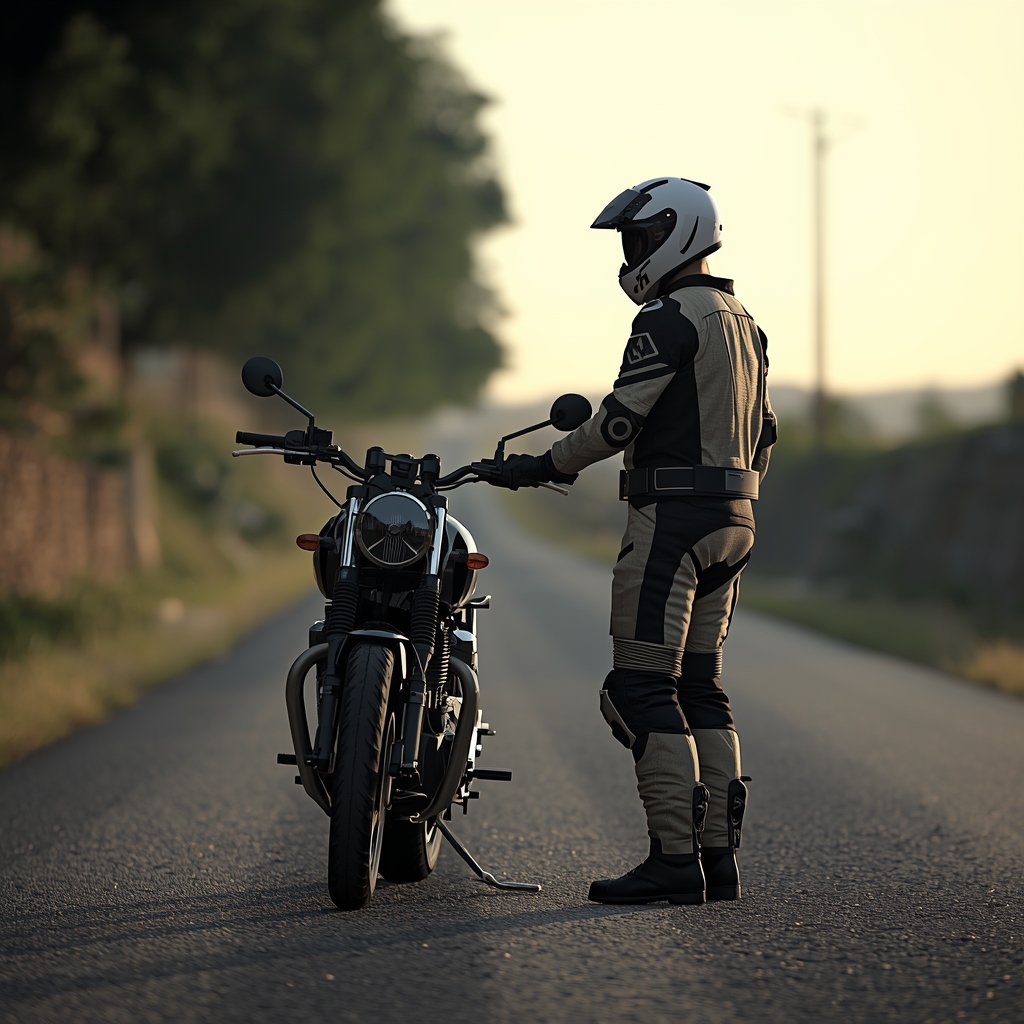
Riding a motorcycle is more than just transportation. It is a feeling of freedom, a quiet escape from everyday life, an intensive interaction between people, machines and attitude to life. However, it is precisely this emotional closeness that has resulted in countless myths surrounding motorcycling over the years. They are passed on like old stories, repeated in parking lots, in forums, on social media or over a quick coffee at the gas station.
Many of these myths sound logical, some reassuring, others brave or even heroic. But what they have in common is a dangerous trait: they replace knowledge with belief. And this is exactly where the problem begins. Because asphalt, physics and human anatomy cannot be impressed by experience, pride or habit.
This article clears things up. Honest, differentiated and without pointing fingers. You will find out which motorcycle myths are particularly widespread, why they are so persistent and why, in the worst case, they can lead to serious mistakes. The aim is not to scare. The aim is to create awareness. For more safety, more control and more real joy in motorcycling.
Myth 1: Riding a motorcycle is extremely dangerous!
Hardly any other means of transport is condemned as broadly as the motorcycle. For outsiders it is often a dangerous game with death, for many motorcyclists themselves it is a calculable passion. The truth, as so often, lies in between.
Riding a motorcycle involves risks; that cannot be denied. You are more exposed, have no bodywork and less passive safety. But “dangerous” is not a fixed condition, but the result of many factors. Driving style, experience, environment, weather, technology and equipment have a massive influence on the risk.
Accident statistics clearly show that serious motorcycle accidents are often related to excessive speed, lack of attention, lack of protective clothing or overconfidence. The motorcycle itself is rarely the cause. It is man who uses it incorrectly. What you should pay attention to when choosing your motorcycle jacket, you can read about it in one of our articles.
If you drive defensively, think ahead, adjust your speed and wear modern protective clothing, you will significantly reduce your risk. Riding a motorcycle is not a daring adventure, but a conscious decision with calculable risks.
You will find numerous on the IFZ website Accident reports and statistics, in which at least one motorcyclist was involved.
Myth 2: Cheap motorcycle clothing protects just as well as expensive ones!
This myth is particularly insidious because it suggests security where there is often only a good feeling. At first glance, inexpensive motorcycle jackets and pants look convincing. They have protectors, modern cuts, attractive colors and CE certification. For many drivers, that's enough of an argument.
However, the crucial difference lies where you don't immediately see it. High-quality motorcycle clothing is tested more intensively, uses abrasion-resistant materials and more stable seams. In an emergency, it lasts longer, protects joints more effectively and noticeably reduces injuries.
Cheap clothing often saves on material thickness, protector quality and workmanship. This is hardly noticeable in everyday life. However, when you fall, seconds and millimeters make the difference. A jacket that tears after just a few meters of asphalt contact offers no real protection.
Motorcycle clothing is not fashion, but safety equipment. If you decide solely based on price, in the worst case scenario you will pay with skin, bones or long-term damage.

Myth 3: Nothing can happen with ABS!
ABS is without a doubt a major safety benefit. It prevents the wheels from locking, stabilizes the motorcycle when braking and is particularly helpful in critical situations. This is exactly why many drivers overestimate it.
ABS does not override any laws of physics. It does not automatically shorten the braking distance or compensate for incorrect speed. If you drive too fast, brake too late or misjudge the situation, you will reach your limits even with ABS. And in the worst case, experience an accident.
It becomes problematic when ABS leads to a feeling of false security. Some drivers brake later, more aggressively or unprepared because they rely on technology. ABS only develops its strength in combination with clean driving technique and regular training.
ABS is a valuable helper, but not a shield against errors.
Myth 4: Experienced motorcyclists need no or less protective clothing!
With increasing experience, routine often grows. Short distances are driven without complete equipment, gloves are left behind, the jacket is hanging in the closet. After all, nothing has ever happened and it looks cooler too.
This way of thinking is exactly dangerous. Experience reduces risks, but it does not eliminate them. On the contrary: many serious accidents affect experienced drivers in everyday life. Turning mistakes made by other road users, sudden braking or unforeseeable situations cannot be prevented through experience.
Protective clothing is not a sign of insecurity, but of responsibility. It protects not only at high speeds, but especially in seemingly harmless falls in city traffic.
Asphalt has no driving experience. He is merciless, regardless of how long you have been traveling.
Myth 5: Drivers intentionally cut motorcyclists!
This myth creates frustration, anger and a dangerous formation of fronts in traffic. The reality, however, is less emotional and much more sober.
In most cases, motorcycles are simply overlooked. Their narrow silhouette, higher speed and unusual perspectives mean that they are less visible in traffic. In addition, many drivers misjudge motorcycles, especially their speed.
Intention rarely plays a role. For motorcyclists this means: always expect to be overlooked. Drive visibly, think defensively and never trust in the right of way. A few tips on the topic Motorcycle safety on the road We have put them together for you in another article.
So being right doesn't protect you from injuries and is even less cool than cruising without motorcycle gear.
Myth 6: The louder the motorcycle, the safer you are!
“Loud pipes save lives” is a sentence that persists. It sounds logical, feels good and fits the image. But the reality looks different.
Modern vehicles are heavily insulated. Music, assistance systems and noise isolation ensure that engine noise is hardly noticeable. A loud exhaust is often only heard when the motorcycle has already passed.
Visibility, position on the road and anticipatory driving increase safety significantly more than volume. In addition, an extremely loud exhaust can trigger aggression and further worsen the acceptance of motorcyclists in traffic.
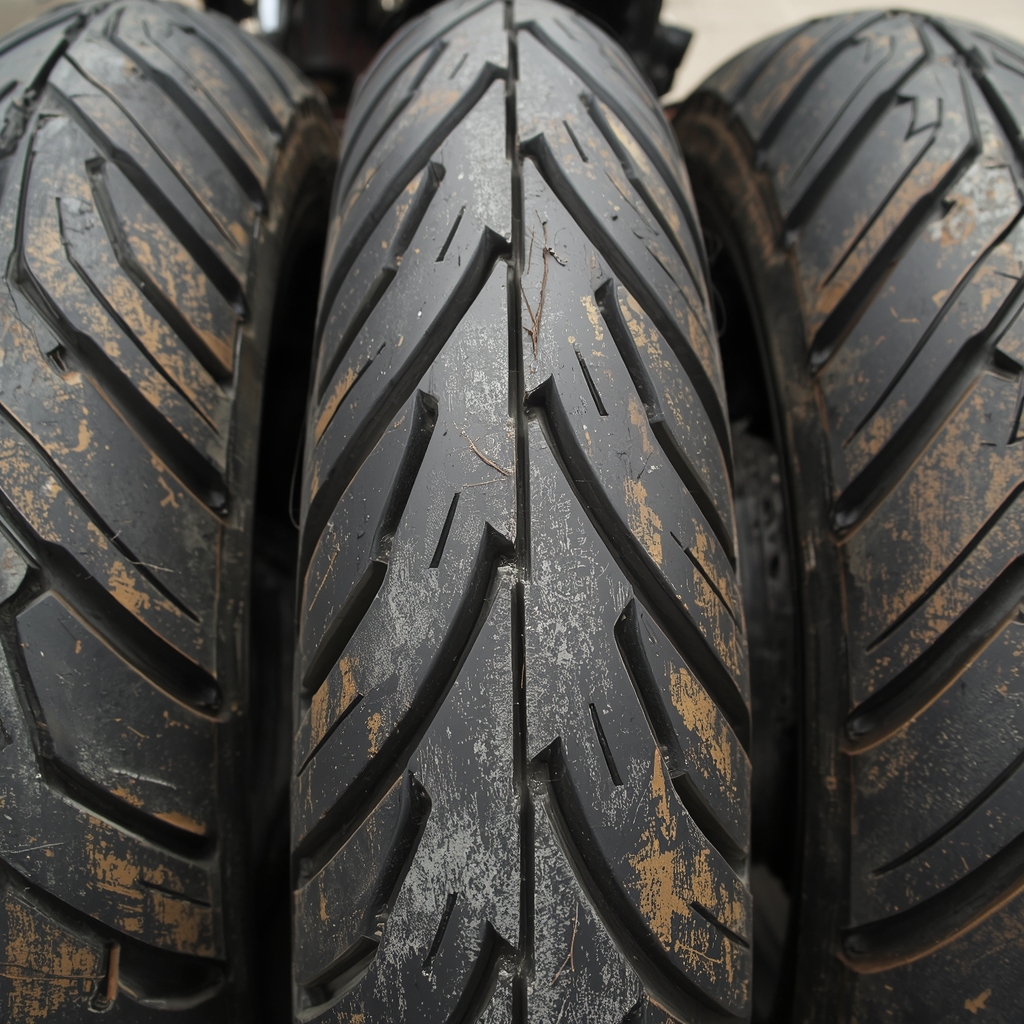
Myth 7: Motorcycle tires are good as long as the tread is there!
Many drivers judge tires solely based on tread depth. This ignores a crucial factor: the age of the tire. Rubber ages, hardens and loses adhesion - even if the profile still looks good.
An old tire offers less grip, increases braking distances and behaves more erratically in corners. The risk increases significantly, especially when it is wet or cool. A visually good tire can already be technically overwhelmed. Experts recommend replacing motorcycle tires after five to six years at the latest, regardless of wear.
Myth 8: Motorcycling is not for older people!
This myth is not only false, but also disrespectful. Riding a motorcycle does not require youth, but rather attention, experience and self-control. Many older motorcyclists ride calmer, more defensively and with more foresight than younger ones.
Modern motorcycles offer ergonomic seating positions, assistance systems and a high level of comfort. If you adapt your driving behavior, you can stay safe on the road even as you get older.
Myth 9: Short distances are safe!
“I’m just going to the bakery for a moment” is one of the most dangerous statements in everyday motorcycle life. People often forgo protective clothing, especially on short journeys, because they feel safe. However, statistics show that many accidents occur in the immediate vicinity of people's homes. Routine, time pressure and a lack of concentration significantly increase the risk.
A fall at 30 km/h can cause serious injuries. The distance doesn't matter, the speed and the surface do.
Myth 10: Riding a motorcycle is purely a matter of your head!
Concentration is important, but it does not replace technology, equipment or physics. Riding a motorcycle is a complex interplay of mental strength, physical fitness, technical mastery and realistic self-assessment.
Anyone who believes that they can be protected through focus alone is underestimating the reality of traffic. Safety comes from preparation, training and respect for your own limits.
Why motorcycle myths survive so long
Myths are comfortable. They simplify complex relationships and provide quick answers. “I’ve always done it that way” sounds reassuring, but it’s not proof of security. And what's more, development with such myths also falls by the wayside. Do we want that?
Many myths are only questioned when something happens. If you start thinking critically early, you will drive more relaxed, safer and more consciously in the long term.
Conclusion: Knowledge beats faith
Motorcycling thrives on emotions, freedom and trust in your own abilities.
But it is precisely this closeness to the machine that makes one vulnerable to myths that feel good but are false. Anyone who questions old beliefs loses none of the fascination of driving. On the contrary. Knowledge replaces uncertainty, preparation replaces chance, and good decisions replace risky habits. Riding a motorcycle remains intense, honest and fulfilling - especially if you do it consciously, informedly and with respect for reality.
For many years I have been intensively involved with motorcycles, their technology and all topics relating to safety, maintenance and equipment. My goal is to present practical information in an understandable way, to realistically assess risks and to objectively classify common myths.
All content on moto-guide.com are based on in-depth research, technical classification and my experience in dealing with motorcycles. I want to help riders make informed decisions and use their motorcycle safely and consciously.




Leave a comment
Participate in the discussion?Leave us your comment!