For most of us, riding a motorcycle is more than just getting from A to B. It's switching off from everyday life and a close interplay between you and your machine. It's exactly this emotional closeness that has led to countless motorcycle myths over the years. They are passed on like old stories: in car parks, forums, on social media or over a quick coffee at the petrol station.
Many of these myths sound logical, some are reassuring, others sound brave. But they all share one dangerous feature: they replace knowledge with belief. And that's where the problem begins. Asphalt, physics and the human body aren't impressed by experience, pride or habit.
Here we clear things up – honestly and without wagging a finger. You'll find out which safety misconceptions about motorcycling are particularly widespread, why they persist so stubbornly and how they can lead to serious mistakes in the worst case. It's not about scaring you. It's about looking more closely, so you ride more safely and have more fun doing it.
Myth 1: Motorcycling is extremely dangerous
Hardly any means of transport is condemned as sweepingly as the motorcycle. For outsiders it's often a game with death, for many riders a passion with a calculable risk. The truth lies somewhere in between.
Of course motorcycling has risks. You're less protected, have no bodywork around you and less passive safety. But "dangerous" isn't a fixed state; it's the result of many factors. Riding style, experience, environment, weather, technology and gear change the risk enormously.
Accident statistics clearly show that serious motorcycle accidents are often linked to excessive speed, inattention, a lack of protective clothing or overconfidence. The motorcycle itself is rarely the cause – the person using it wrongly is. What to look for when choosing your motorcycle jacket is covered in a separate article.
If you ride defensively and with anticipation, adjust your speed and wear modern protective clothing, you significantly reduce your risk. Then motorcycling is not a daredevil adventure but a conscious decision with a manageable risk.
The German motorcycle safety institute IFZ has many reports and statistics on accidents involving at least one motorcyclist.
Myth 2: Cheap motorcycle clothing protects just as well as expensive clothing
This misconception is particularly treacherous because it simulates safety where there's often just a good feeling. Cheap motorcycle jackets and trousers look convincing at first glance: protectors, modern cut, smart colours and CE certification. For many, that's argument enough.
The decisive difference lies where you don't look straight away. High-quality motorcycle clothing is tested more thoroughly and uses more abrasion-resistant materials and stronger seams. In an emergency it lasts longer, protects joints better and noticeably reduces injuries.
Cheap clothing often saves on material thickness, protector quality and workmanship. You hardly notice this in everyday use. But in a fall, seconds and millimetres decide. A jacket that tears open after a few metres on the asphalt doesn't really protect you.
Motorcycle clothing isn't fashion, it's protective equipment. If you only buy on price, in the worst case you pay with skin, bones or permanent damage.

Myth 3: With ABS nothing can happen any more
ABS is without doubt a big gain for safety. It prevents wheels from locking, stabilises the motorcycle when braking and helps above all in critical situations. That's exactly why many overestimate it.
ABS doesn't suspend physics. It doesn't automatically shorten the braking distance and doesn't compensate for excessive speed. If you ride too fast, brake too late or misjudge a situation, you'll reach your limits even with ABS. In the worst case you'll still crash.
It becomes difficult when ABS creates a false sense of security. Some riders brake later, harder or less prepared because they rely on the technology. Yet ABS only plays to its strengths in combination with clean riding technique and regular training.
ABS is a valuable helper, but not a shield against mistakes.
Myth 4: Experienced riders need less protective clothing
Routine grows with experience. Short trips are ridden without full gear, gloves stay at home, the jacket hangs in the wardrobe. Nothing has ever happened, and it looks cooler too.
Exactly this thinking is dangerous. Experience reduces the risk, but doesn't eliminate it. Many serious accidents hit seasoned riders in the middle of everyday life. You can't prevent other people's turning errors, sudden braking in front of you or unforeseeable situations with experience.
Protective clothing is not a sign of insecurity but of responsibility. It protects not only at high speed, but especially in seemingly harmless falls in city traffic.
The asphalt doesn't care about your riding experience. It's merciless, no matter how long you've been riding.
Myth 5: Drivers cut up motorcyclists on purpose
This myth causes frustration, anger and dangerous camp mentality on the road. Reality is much more sober.
Most of the time motorcycles are simply overlooked. The narrow silhouette, higher speed and unusual viewing angles mean they're perceived less well. On top of that, many drivers misjudge motorcycles, especially their speed.
There is rarely intent behind it. For you, this means: always assume you'll be overlooked. Ride visibly, think defensively and never rely on your right of way. We've put together some tips on motorcycle safety in traffic in another article.
Being in the right doesn't protect you from injury. And lying in hospital is even less cool than cruising around without motorcycle gear.
Myth 6: The louder the motorcycle, the safer
"Loud pipes save lives" persists stubbornly. It sounds logical, feels good and fits the image. Reality looks different.
Modern cars are heavily insulated. Music, assistance systems and sound insulation mean engine noise hardly gets through. You often only hear a loud exhaust when the motorcycle has already passed.
Visibility, the right position on the road and anticipatory riding bring much more safety than volume. An extremely loud exhaust can also trigger aggression and further damage the reputation of motorcyclists in traffic.
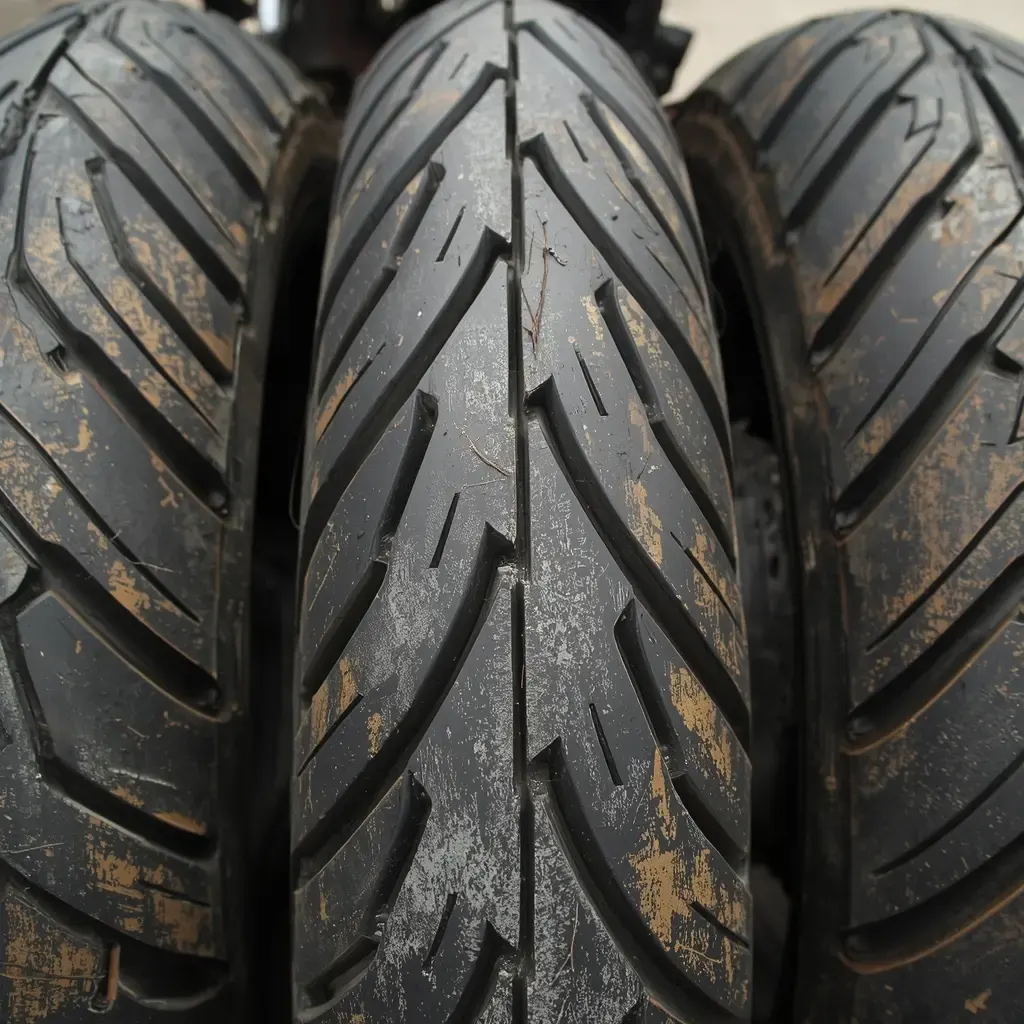
Myth 7: Motorcycle tyres are fine as long as there's tread
Many judge tyres only by tread depth. But one important point is overlooked: age. Rubber ages, hardens and loses grip, even if the tread still looks good.
An old tyre has less grip, lengthens the braking distance and behaves more unpredictably in bends. Especially in the wet or cold, the risk rises significantly. A tyre that looks fine can technically be long past its best. Experts recommend replacing motorcycle tyres after five to six years at the latest, regardless of wear.
Myth 8: Motorcycling isn't for older people
That's wrong and disrespectful too. Motorcycling doesn't require youth, but attention, experience and self-control. Many older riders ride more calmly, defensively and with more anticipation than younger ones.
Modern motorcycles have ergonomic seating positions, assistance systems and lots of comfort. If you adapt your riding style, you can ride safely at an older age too.
Myth 9: Short trips are safe
"I'm only popping to the bakery" is one of the most dangerous sentences in everyday motorcycling. On short trips in particular, riders often do without protective clothing because they feel safe. But statistics show that many accidents happen right in your own neighbourhood. Routine, time pressure and a lack of concentration increase the risk significantly.
Even a fall at 30 km/h can cause serious injuries. Distance doesn't matter; speed and surface do.
Myth 10: Motorcycling is all in the head
Concentration is important, but it doesn't replace technique, gear or physics. Motorcycling is an interplay of mental strength, physical fitness, clean control of the machine and realistic self-assessment.
Anyone who believes focus alone protects them underestimates what happens on the road. Safety comes from preparation, training and respect for your own limits.
Why motorcycle myths last so long
Myths are convenient. They make complicated things simple and deliver quick answers. "I've always done it this way" sounds reassuring but proves nothing. And if you cling to such myths, you don't develop as a rider either.
Many myths are only questioned after something has happened. If you look critically early on, you'll ride more relaxed and more safely in the long run.
Conclusion: knowledge beats belief
Motorcycling thrives on emotion and trust in your own ability. That's exactly what makes it susceptible to myths that feel good but are wrong. If you question old beliefs, you don't lose any of the fun of riding. On the contrary: knowledge replaces insecurity, preparation replaces chance, and good decisions replace risky habits. Motorcycling remains intense and honest – especially when you ride informed and with respect for reality.
Frequently asked questions
Does ABS shorten the braking distance on a motorcycle?
Not automatically. ABS prevents the wheels from locking and stabilises the motorcycle when braking, but doesn't compensate for excessive speed or braking too late.
Do loud exhausts make motorcyclists safer?
Hardly. Modern cars are heavily insulated, and a loud exhaust is often only heard when the motorcycle has already passed. Visibility, road position and anticipatory riding bring much more.
When should I replace motorcycle tyres because of age?
Experts recommend replacing motorcycle tyres after five to six years at the latest, even if there's still enough tread. Aged rubber hardens and loses grip.
Do I need full protective clothing even for short trips?
Yes. Many accidents happen in your own neighbourhood, and even a fall at 30 km/h can cause serious injuries.