Spain has been one of the most popular destinations for motorcyclists from all over Europe for years. Winding mountain roads, little traffic away from the cities, a mild climate and a motorcycle-friendly culture: the country is made for long tours and spontaneous detours. But for a motorcycle trip to Spain you should know more than just the most beautiful routes. Tolls, speed cameras and the right gear decide whether the tour is relaxed or needlessly stressful. Here you will find out what matters.
Riding in Spain: what to expect
Spain is enormously varied. In the north, green mountains and winding roads along the Pyrenees await you; in Andalusia, wide plains, white villages and lonely passes. Many roads are very well built, the asphalt is often grippy and visibility is good. At the same time, you shouldn't take the traffic rules lightly here. Checks are consistent and the fines hurt.
For motorcycle travellers, Spain is a country of contrasts. By day you ride fantastic routes, in the evening you sit relaxed in a small bar. But you should be prepared on the road. Good planning is rewarded with one of the most beautiful motorcycle trips in Europe.
Tolls in Spain: where you still have to pay
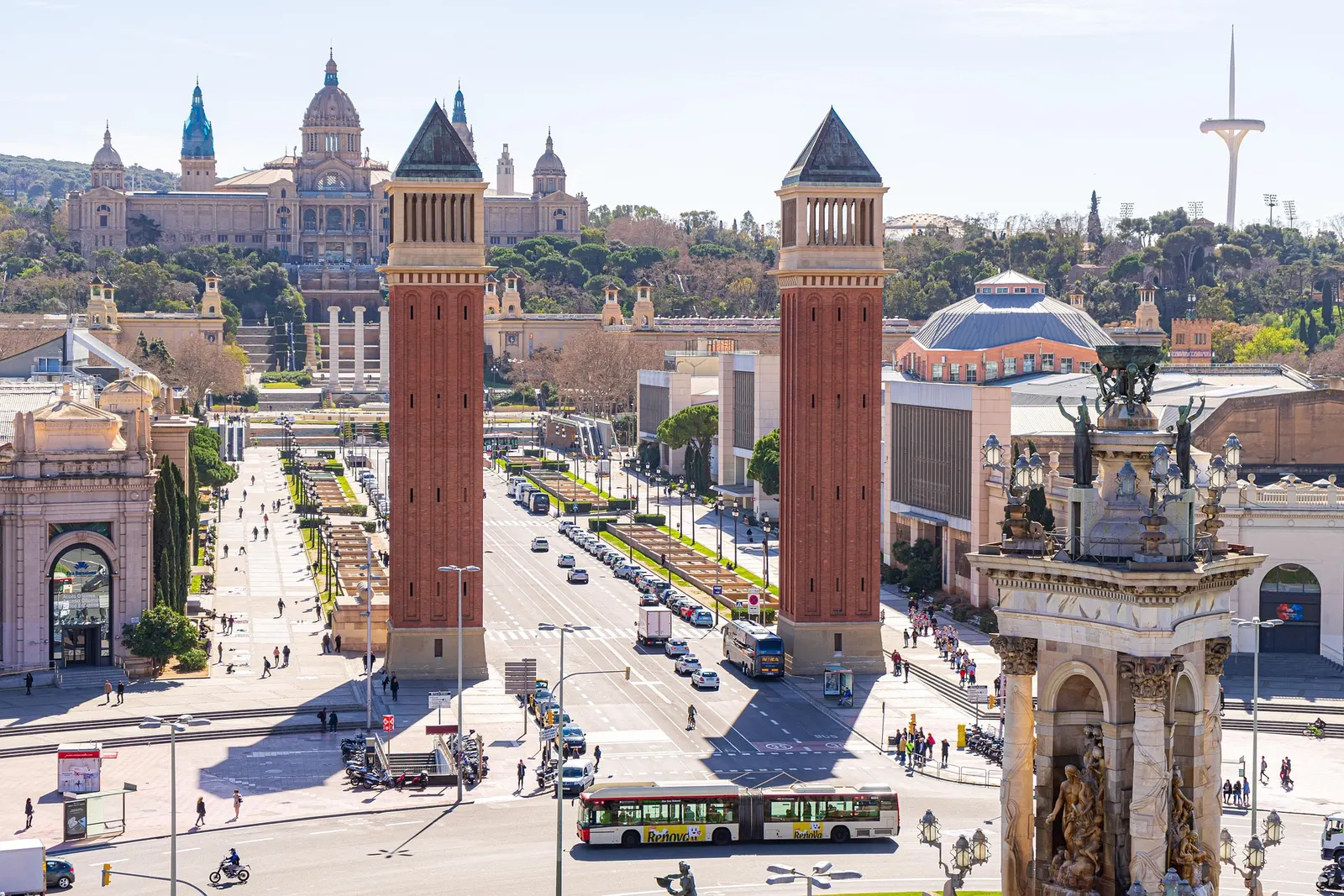
First the good news: many motorways in Spain are now toll-free. In recent years numerous "autopistas" have been freed from tolls, especially around Madrid, Valencia and Barcelona. You can therefore often ride longer distances without extra costs.
However, there are still toll roads, especially in the north and north-east, for example in Catalonia or the Basque Country. Motorcycles usually pay less than cars, but this isn't regulated the same way everywhere. At toll stations you pay in cash or by credit card. Electronic systems such as Telepeaje also work for motorcycles but are usually only worthwhile for frequent riders.
Your choice of route is decisive. If you avoid motorways and take country roads, you save tolls and see much more of the country. Many of the best motorcycle roads are away from the motorway anyway and cost nothing.
Speed cameras and checks in Spain
Spain takes road safety very seriously and has one of the densest networks of fixed and mobile speed checks in Europe. Checks take place not only on motorways but also on country roads and in areas that seem fairly remote.
Fixed cameras are particularly common on straight stretches before villages, at tunnels and on multi-lane country roads. Mobile speed traps are often operated from inconspicuous vehicles and like to be placed behind bridges, at the exit of bends or on downhill stretches. Police motorcycles with radar equipment are not uncommon either.
Fines are high and are often collected from foreigners on the spot or sent later. If you pay quickly, you usually get a discount, but you shouldn't rely on it. Radar detectors (devices that detect radar signals) are prohibited in Spain. Even possessing an active radar detector can result in a hefty fine. Navigation apps that only show known speed camera locations, on the other hand, are allowed.
The best protection is a defensive riding style and an alert eye on your surroundings. If you take the signs seriously and ride with anticipation, you won't have any problems in Spain.
Traffic rules for motorcyclists in Spain
Besides speed, there are other rules you should know. Spain has a helmet requirement without exception. Gloves are officially recommended but not checked everywhere. You must carry a reflective vest, especially in case of a breakdown or accident.
Overtaking on country roads is permitted as long as no solid line prohibits it. Risky overtaking, however, is severely punished. Spain has little sense of humour when it comes to alcohol. Even small amounts can lead to penalties, especially for motorcyclists. Our article on Spanish laws and regulations for motorcyclists covers all the details.
The right gear for a motorcycle trip to Spain
The climate varies greatly from region to region. In the north it can be cool and damp even in summer, in the south it often gets extremely hot. Your gear should therefore be flexible.
A well-ventilated motorcycle jacket with a removable liner is ideal. It keeps you warm on cool days and lets enough air through in the heat. A light but robust pair of motorcycle trousers goes well with it, because long stages in high temperatures quickly become exhausting.
Your gloves should work for warm and cooler days. Many travellers simply take two pairs. For the helmet, a model with good ventilation and a sun visor is worthwhile, because the sun in Spain is very intense.
Rain gear should also be in your luggage, especially for the north and the mountains. Even if it is warm during the day, the weather can change quickly. In the heat, a hydration pack is almost indispensable to stay focused and fit.
Luggage, navigation and safety on the road
For longer tours you need stable luggage. Side cases or waterproof soft bags have proven themselves. Make sure the load is balanced, because many Spanish roads are winding and tempt you to ride fast.
A motorcycle sat nav or a reliable offline app is worthwhile for navigation. In remote areas the mobile signal is sometimes weak. GPX routes for winding roads are particularly popular and often lead to real highlights away from the well-known routes.
Also remember a small first-aid kit, a tyre repair kit and on-board tools for the essentials. Roadside assistance in Spain is well organised, but in rural areas you should expect longer waiting times.
In a nutshell
A motorcycle trip through Spain is no longer an insider tip, but it remains a real highlight for anyone who loves bends and landscapes. At the same time, Spain sets clear rules and enforces them. If you find out about toll roads, take speed cameras seriously and adapt your gear to the climate and route, you will experience the country at its best. Well prepared, you benefit from little traffic, grippy asphalt and great routes away from the tourist crowds. Spain rewards prudence with riding fun.
Frequently asked questions
Do I have to pay tolls in Spain on a motorcycle?
Many motorways are now toll-free, especially around Madrid, Valencia and Barcelona. In the north and north-east, for example in Catalonia and the Basque Country, there are still toll roads. Motorcycles usually pay less than cars.
Are radar detectors allowed in Spain?
No. Radar detectors are prohibited, and even possessing an active device can be expensive. Apps that only show known speed camera locations are allowed.
Do I need a high-visibility vest on a motorcycle in Spain?
Yes, you should carry a reflective vest in case of a breakdown or accident.
What clothing do I need for a motorcycle trip through Spain?
A well-ventilated jacket with a removable liner, light but robust trousers, two pairs of gloves, rain gear for the north and the mountains, and a hydration pack in the heat.
Further links
DGT: traffic authority and road network in Spain
Spain.info: official Spanish tourism portal
Laws and regulations in Spain: Motorcycling in Spain: laws, regulations & fines