
Your first motorcycle: buying advice & checklist for beginners
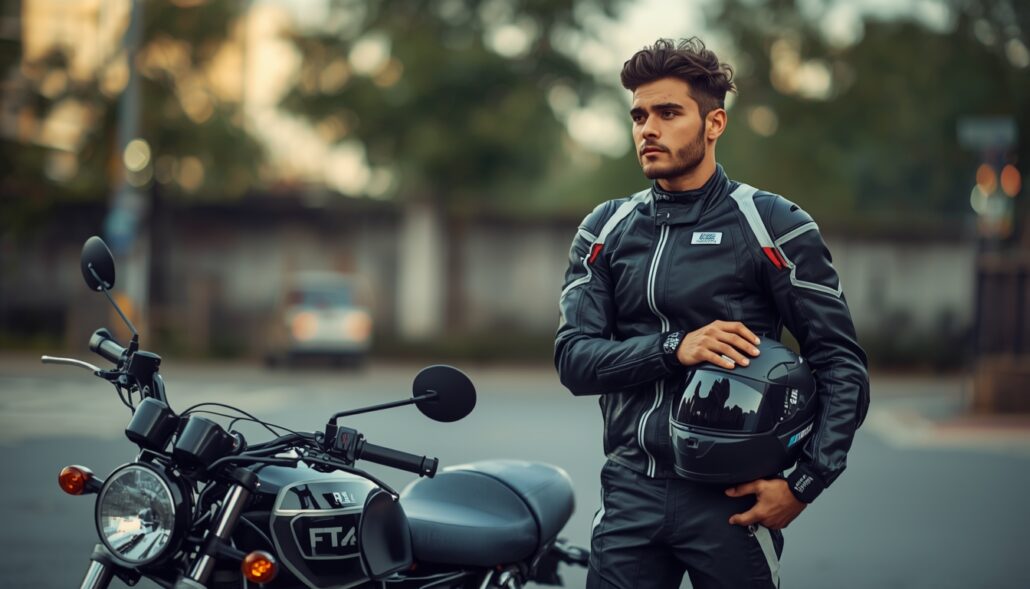
Your first motorcycle decides whether motorcycling becomes a real passion for you or whether frustration, uncertainty and expensive bad purchases ruin the fun right from the start. Young drivers in particular are under particular pressure when buying a motorcycle for the first time. Superbikes dominate social media, friends talk about performance and sound, and dealers naturally want to sell. What is almost always missing is experience.
This is exactly where this article comes in. It is deliberately aimed at young beginners who are currently getting their driving license or have recently passed it. No marketing blah blah, no unrealistic promises, but honest assessments, clear recommendations and practical decision-making aids. The article usefully complements your driving license phase without repeating content and is structured in such a way that it is attractive to you as a new driver: clear opinions, real aha moments and high added value. Without trying to sell you anything.
Your first motorcycle is not a status symbol
Many beginners buy their first motorcycle for the wrong reason. It's meant to impress. Friends, Instagram, maybe even your own ego play a bigger role than reason. Your first motorcycle has only one purpose: it should help you learn to ride a motorcycle safely, relaxed and with joy.
A good beginner's motorcycle forgives mistakes, doesn't overwhelm you, gives you security and ensures that a small fall or scratch doesn't ruin the fun of your hobby. This is exactly what many people underestimate.
Typical mental errors for young riders include statements like “I’m growing into it”, “You can regulate the power” or “The bike just looks brutal”. In reality, these very thoughts often lead to uncertainty, stress and unnecessary risks. You don't learn to ride a motorcycle faster with more power, but with more control.
Which motorcycles are really suitable for beginners?
It is not the cubic capacity that determines whether a motorcycle is suitable for beginners. What matters is the overall package of weight, seating position, power delivery and driving behavior. Many modern motorcycles seem harmless on paper, but in practice they are not.
A central issue is weight. The lighter a motorcycle is, the easier it is to control maneuvering, stopping, slow driving and emergency maneuvers. The rule of thumb for beginners is: a full tank of less than 200 kilograms is ideal, but anything above that should be critically examined.
The seat height also plays an enormous role. When you stop, you should have at least the balls of your feet firmly in contact with the ground. Unsteady standing is one of the most common reasons for falls. And this is exactly what happens most of the time in everyday life, not at high speeds.
Performance development is just as important. A motorcycle suitable for beginners accelerates smoothly, predictably and without an aggressive burst of power. It responds cleanly to throttle commands and doesn't surprise you when cornering or starting off.
Suitable motorcycle types for beginners
There are certain motorcycle categories that have proven particularly useful for beginners. Not because they are boring, but because they offer a high level of control and suitability for everyday use. Before you buy a motorcycle, you should know Which driving license class is suitable for you (all classes explained).”
Naked bikes are among the most popular entry-level motorcycles. The upright seating position ensures visibility in traffic, the handling is mostly neutral and the technology is manageable. They really come into their own in city traffic and on short country road journeys.
Light adventure or crossover bikes are also suitable for many beginners. They offer relaxed ergonomics, good visibility and often very forgiving power delivery. In addition, they are more forgiving of small driving errors than sporty machines.
Entry-level tourers are another option for young riders planning longer distances. They are comfortable, stable and usually very predictable. It is important to pay attention to the total weight.
Modern motorcycles in the 125 to 500 cc range are now technically so good that they can continue to be fun long after you get your driving license. They enable learning without stress and often offer a surprising amount of driving fun at manageable costs.
New or used? Which is better for young drivers?
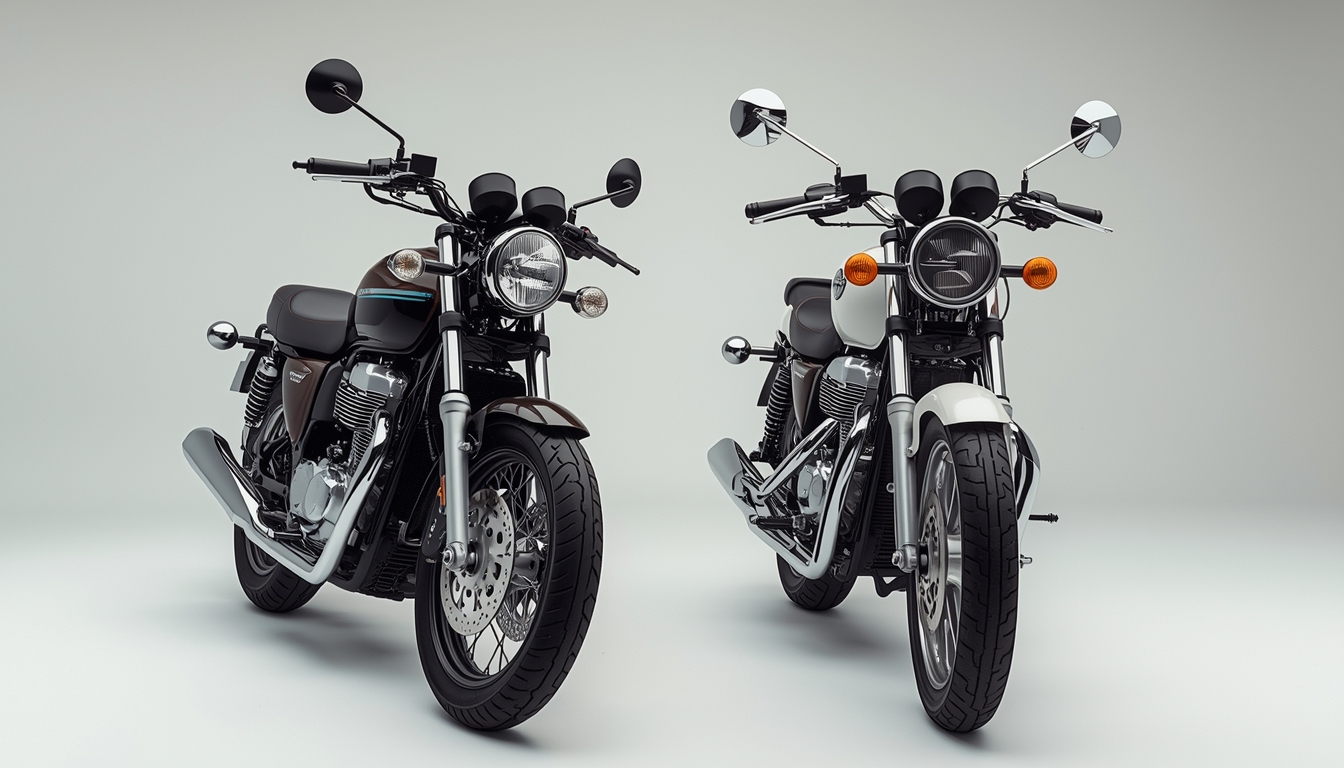
One of the most important decisions when buying a motorcycle for the first time is the question: new or used? Both options have their place, but for beginners the answer is often clearer than many people think.
A new motorcycle offers a guarantee, no previous damage and modern safety features such as ABS and traction control. This provides security, but it comes at a price. The biggest disadvantage is the rapid loss of value in the first few months. Added to this is the inhibition of using a new motorcycle in a truly relaxed manner and the fear of scratches is always with you.
A used motorcycle is the better choice for many beginners. It is cheaper, the loss of value is lower and small signs of wear take a lot of pressure out of everyday life. However, it is important to look closely.
The big purchase checklist for beginners
Even if you don't have any knowledge of mechanics, you can check many things yourself when buying a motorcycle. Warning signals can be seen at first impression. An engine should start cleanly when cold, run smoothly and not rattle or rattle unusually. Changing gears should be easy and without any noise.
A look at the chain and sprocket reveals a lot about care. If the teeth are sharp or worn unevenly, this indicates a lack of maintenance. Tires should not be older than five to six years, even if the tread still looks good.
When it comes to the test drive, what counts most is your feeling. Can you safely put your feet on the ground? Do you feel relaxed or tense? Can the motorcycle be steered intuitively and controlled well? If something feels strange, you should take it seriously.
Price negotiation – also possible for beginners
Many young buyers are afraid to talk about price. A factual negotiation is completely normal. Pending inspections, old tires or wearing parts are legitimate arguments. Accessories do not automatically justify a higher price.
A calm, respectful sentence is often enough: “I really like the motorcycle, but because of point X we would have to discuss the price again.” If in doubt, you are welcome to take a trusted person of your choice with you when purchasing the motorcycle.
What many beginners underestimate: the real costs
The purchase price is only part of the story. Insurance, protective clothing, maintenance, tires and accessories add up quickly. If you plan for this from the start, you won't experience any unpleasant surprises later.
FAQ – Frequently asked questions by young motorcycle beginners
1. What is the maximum horsepower my first motorcycle should have?
For most beginners, less power is more. What matters is not the number of horsepower, but how controllable the power is delivered. Motorcycles with smooth power delivery help you learn clean technique and avoid stress.
2. Is 125 or 300-500 cc really enough to start with?
Yes. Modern motorcycles in these classes are suitable for everyday use, reliable and continue to be fun long after you get your driving license. Many people underestimate how much driving fun controllable performance offers.
3. Isn't a more powerful motorcycle safer when overtaking?
No. Safe overtaking depends primarily on assessment, overview and timing. More power does not replace experience and can even put beginners in risky situations.
4. Is ABS mandatory on your first motorcycle?
Yes, ABS is one of the most important safety features for beginners. It prevents wheels from locking up during panic braking and significantly reduces the risk of accidents.
5. New or used – which is better for beginners?
For most beginners, a well-maintained used motorcycle makes more sense. It is cheaper, the loss of value is lower and small scratches take the pressure off of everyday life.
6. What is the maximum age of a used motorcycle?
Age alone is not decisive. Maintenance, condition and service history are more important. An older motorcycle with comprehensive service is often the better choice.
7. What should I pay particular attention to during the test drive?
Make sure you feel relaxed, stand securely, can steer the motorcycle intuitively and don't feel unsteady when stopping or maneuvering.
8. How important is seat height on your first motorcycle?
Very important. Unsteady standing is one of the most common causes of beginner falls. Safe contact with the ground gives you peace and control.
9. Is a sporty sitting position suitable for beginners?
In most cases no. Sporty sitting positions put strain on the wrists and back and are less forgiving of mistakes. Upright seating positions are much more beginner-friendly.
10. How much money should I budget in total?
In addition to the purchase price, you should budget an additional 20-30% for insurance, protective clothing, maintenance, tires and accessories.
11. Should I buy from a dealer or privately?
Dealers offer more security through guarantees.
Conclusion: Your first motorcycle should help you - not impress you
Your first motorcycle is not proof of courage or status. It's your training partner. The better it suits you, the faster you will learn, the more confident you will be and the more fun you will have. Light, predictable, reliable and affordable. These are the qualities that really count. Everything else comes later. And believe me: it comes all by itself.
For many years I have been intensively involved with motorcycles, their technology and all topics relating to safety, maintenance and equipment. My goal is to present practical information in an understandable way, to realistically assess risks and to objectively classify common myths.
All content on moto-guide.com are based on in-depth research, technical classification and my experience in dealing with motorcycles. I want to help riders make informed decisions and use their motorcycle safely and consciously.




Leave a comment
Participate in the discussion?Leave us your comment!