The garage door opens, it smells of petrol and leather, and in your head you're already riding the first bend. For us motorcyclists, Europe is the most varied riding region there is. Whether you ride a heavy adventure bike, a nimble naked bike or a relaxed cruiser: among the most beautiful motorcycle routes in Europe, there's guaranteed to be something for you.
Here you'll get around 2,500 kilometres of route recommendations, from the great classics to quiet side passes. You'll also find out what to watch out for in each region so your tour runs smoothly. So: pack your panniers, check your tyres, off you go.
The 10 most beautiful motorcycle routes in Europe
We'll start with the legends. These are the roads you'll still be talking about years later and that every motorcyclist should have ridden once.
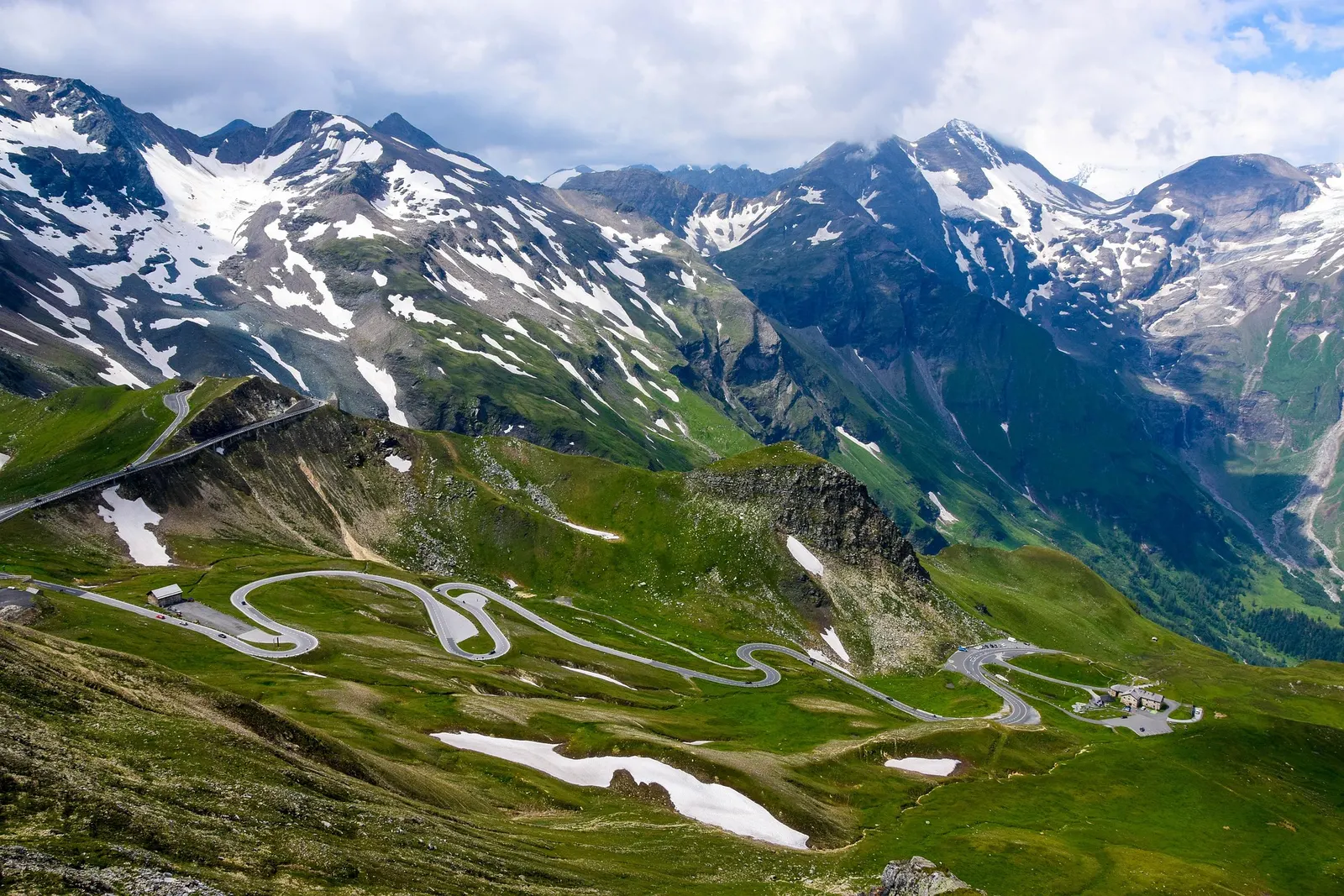
1. Grossglockner High Alpine Road (Austria)
It's not called "the Queen" for nothing. When you stand at the top in the car park at Kaiser-Franz-Josefs-Höhe and look down on the Pasterze glacier, you remember why you ride. The 48 kilometres are fun from start to finish.
Riding fun: 36 hairpins and gradients of up to 12 per cent.
Tip: buy your ticket online in advance to skip the queue at the Ferleiten toll station. Be sure to ride up to the Edelweissspitze too. The short cobbled stretch leads to 2,571 metres, and at the top you have a 360-degree panorama.
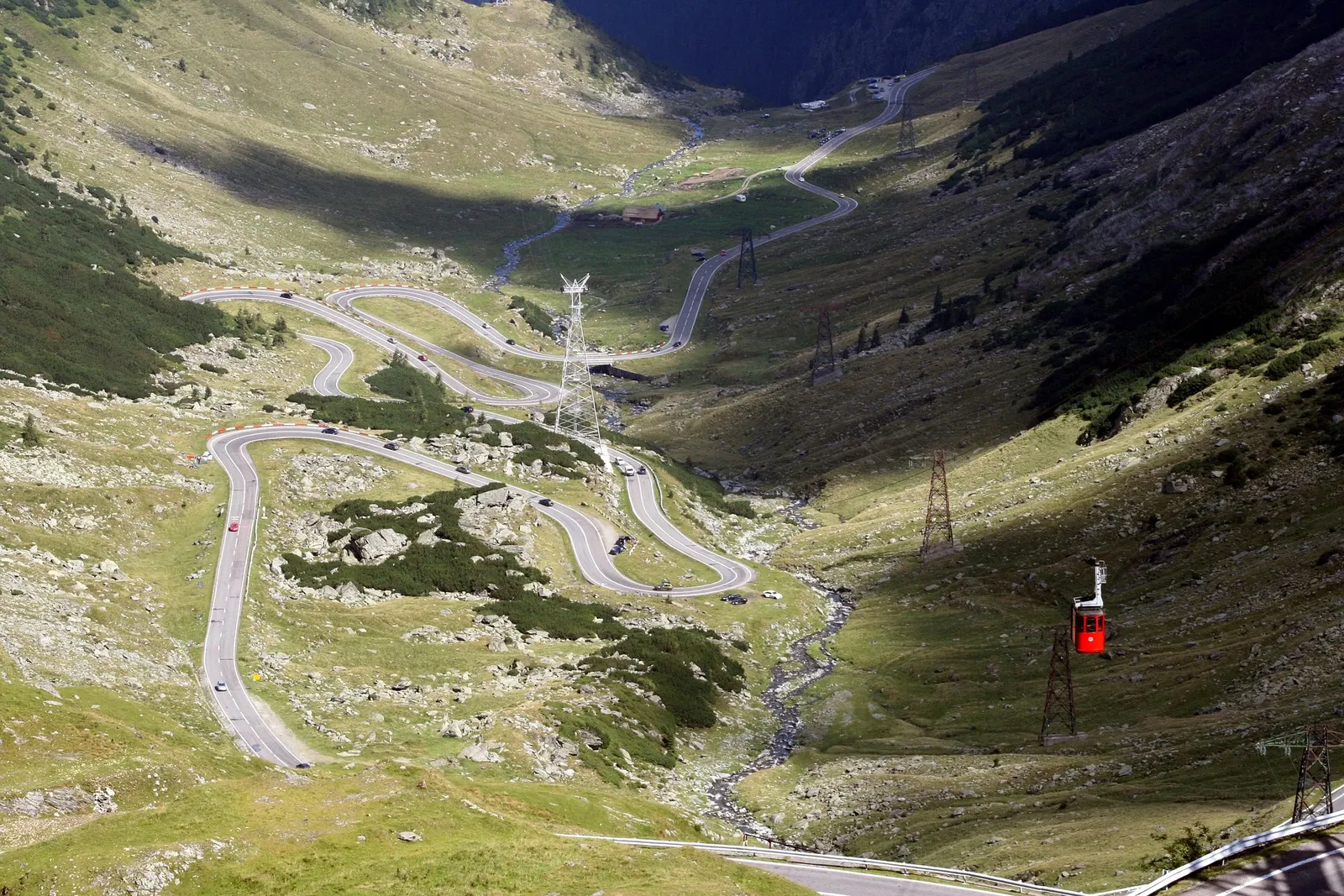
2. Transfăgărășan (Romania)
Once an insider tip, now world-famous. The road runs right across the Făgăraș Mountains in the Carpathians and is much wilder than most Alpine passes.
Riding fun: the northern ascent is spectacular. It winds through the green valley like a grey snake.
Tip: watch out for stray dogs and, no joke, for bears. The region has one of the highest bear densities in Europe.
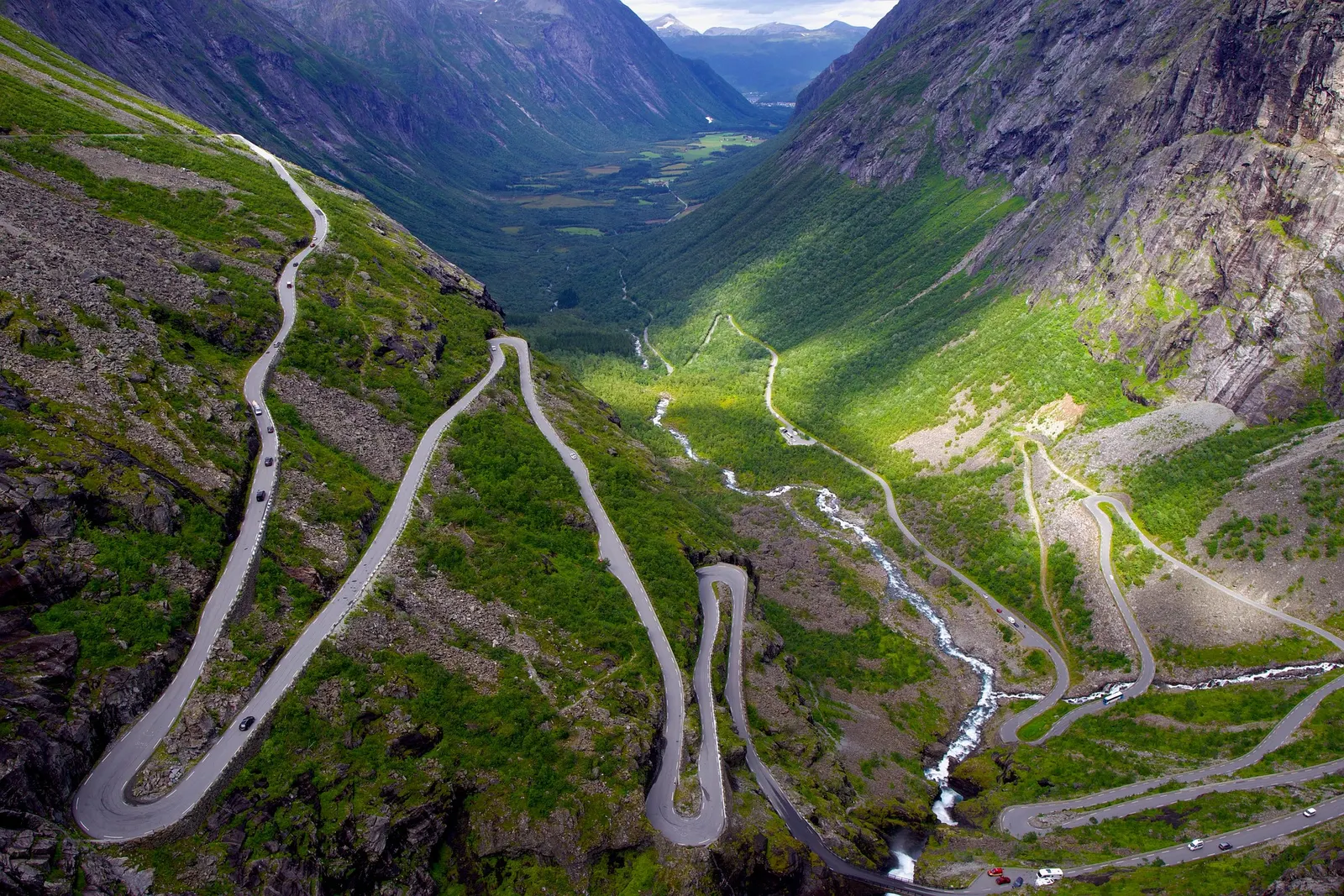
3. Trollstigen (Norway)
Imagine a road built almost vertically into the rock. That's exactly what Trollstigen is.
Riding fun: eleven hairpins plus the view of the Stigfossen waterfall.
Tip: fines in Norway are extremely high. Better enjoy the view and take it easy on the throttle.
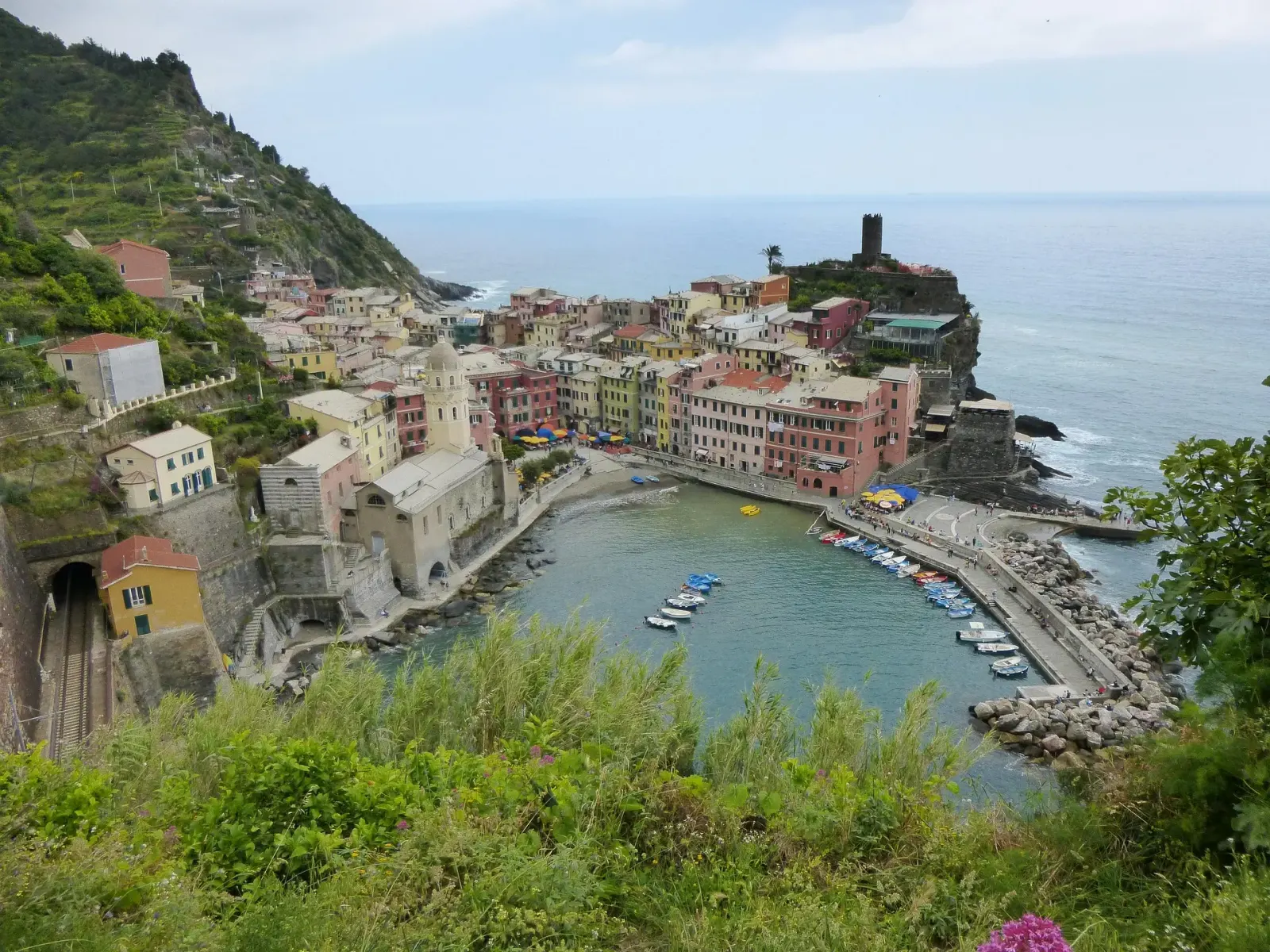
4. Amalfi Coast (Italy)
The SS163 is a coastal road in its purest form. On the left the rock face, on the right a steep drop to the deep blue sea.
Riding fun: tight bends where your knee almost brushes the old stonework.
Tip: don't ride it in August. Heat and coaches take all the fun out of it. May and September are the better months.
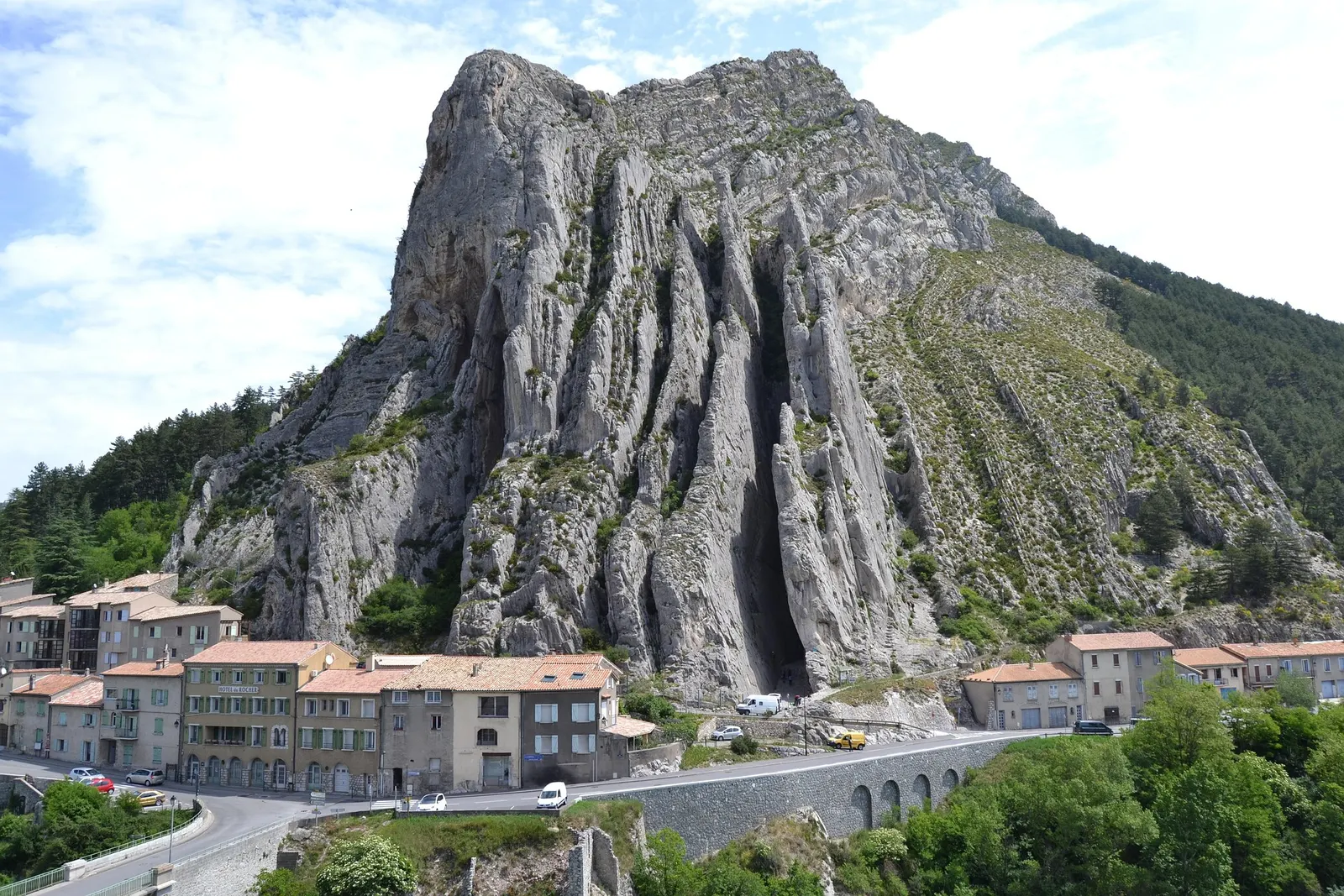
5. Route Napoléon (France)
From Grasse to Sisteron you ride the path Napoleon once took. The route is one of the fastest and best-developed roads in France.
Riding fun: wide radii, ideal for sport-tourers.
Tip: plan a detour into the Gorges du Verdon, the "Grand Canyon of Europe". The gorge is close to the route.
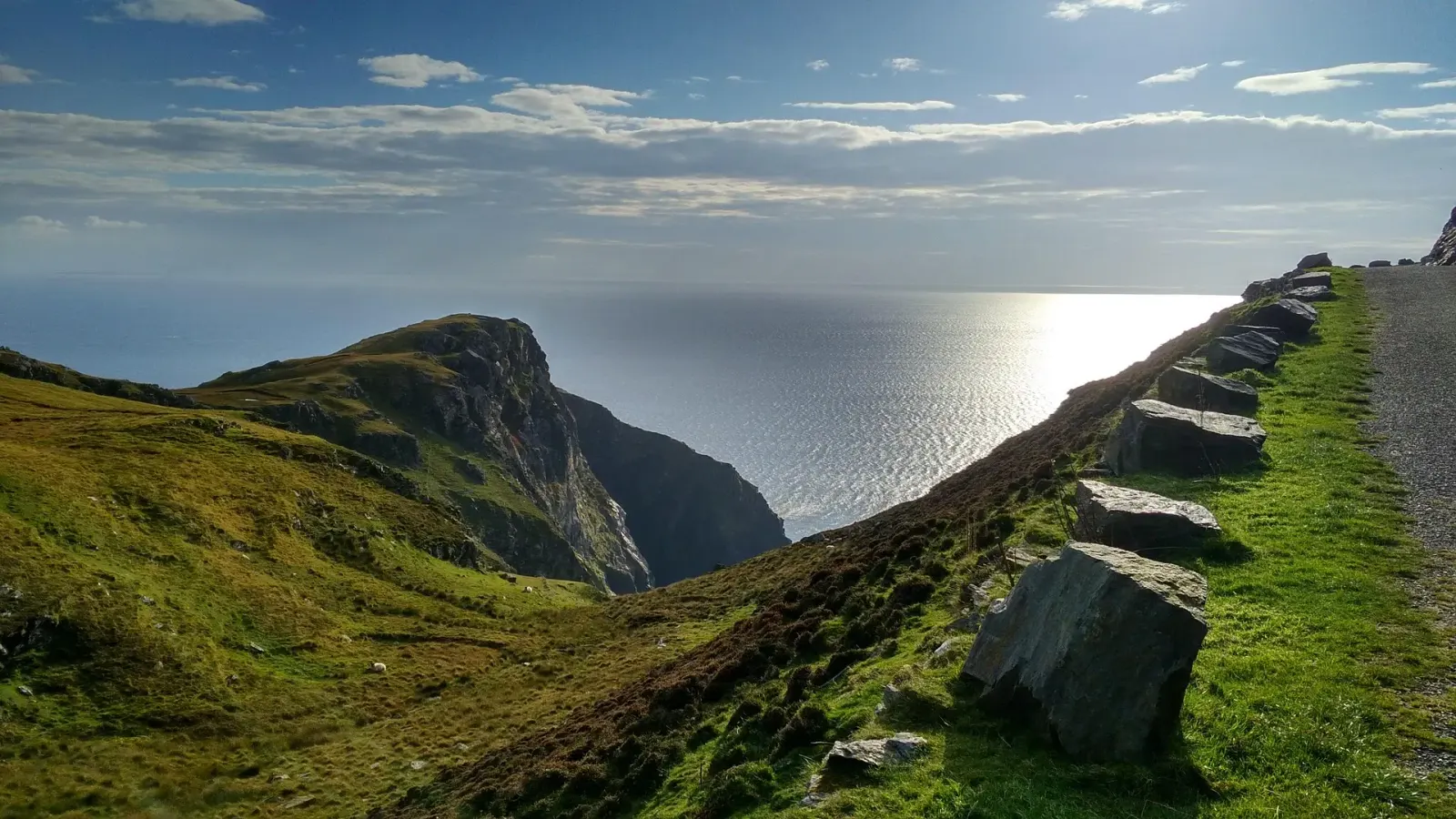
6. Wild Atlantic Way (Ireland)
This isn't about speed but about the experience. The route runs for over 2,500 kilometres along the rugged west coast.
Riding fun: narrow roads, flocks of sheep on the road and lush green everywhere.
Tip: spend money on really good rain gear. In Ireland you often experience all four seasons in one afternoon.
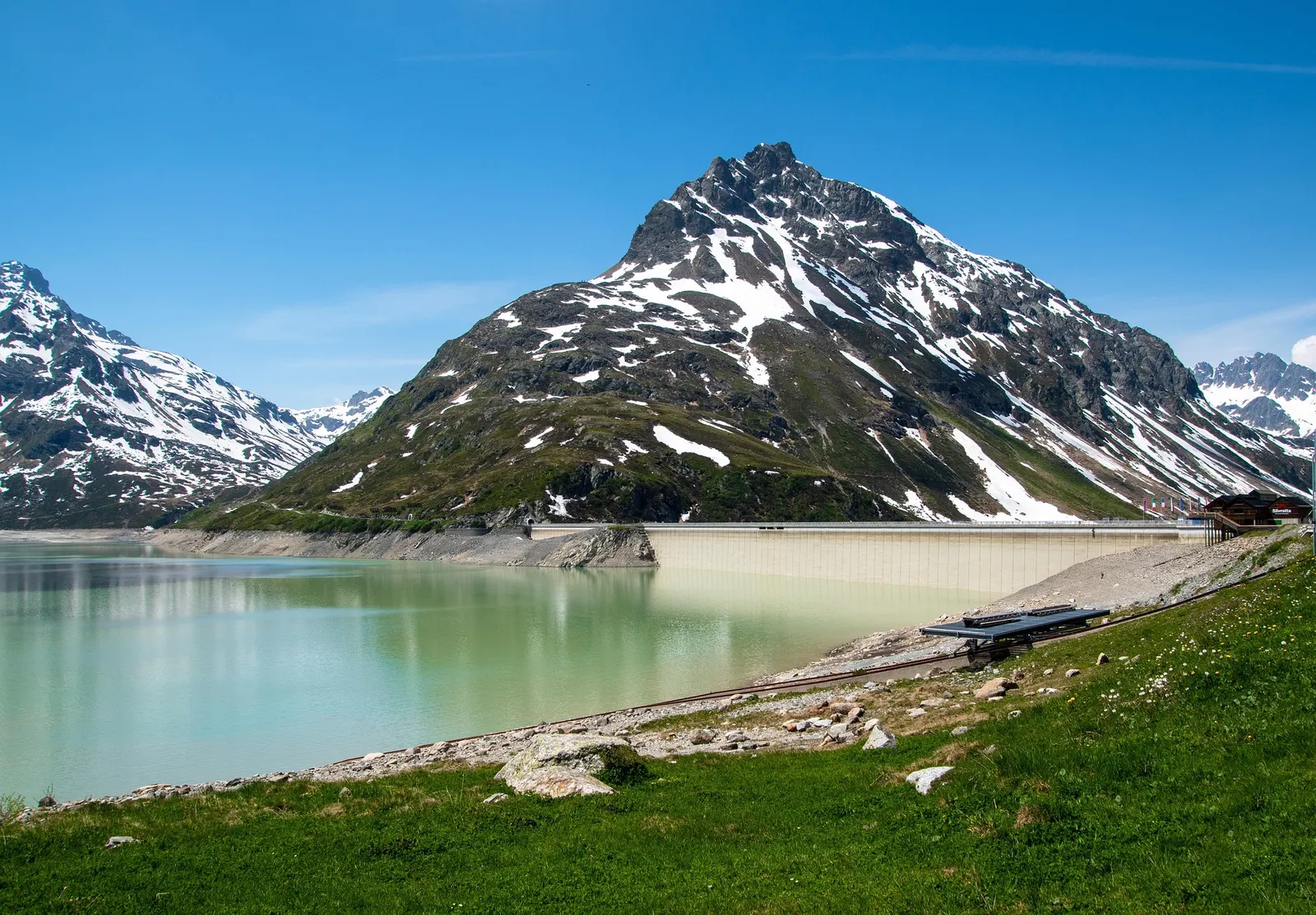
7. Silvretta High Alpine Road (Austria)
Many find it more beautiful than the Glockner, because there's much less hustle and bustle.
Riding fun: 32 hairpins on the western ramp. That's where you really get into a rhythm.
Tip: stop at the top by the Silvretta reservoir and look across to the Piz Buin group.
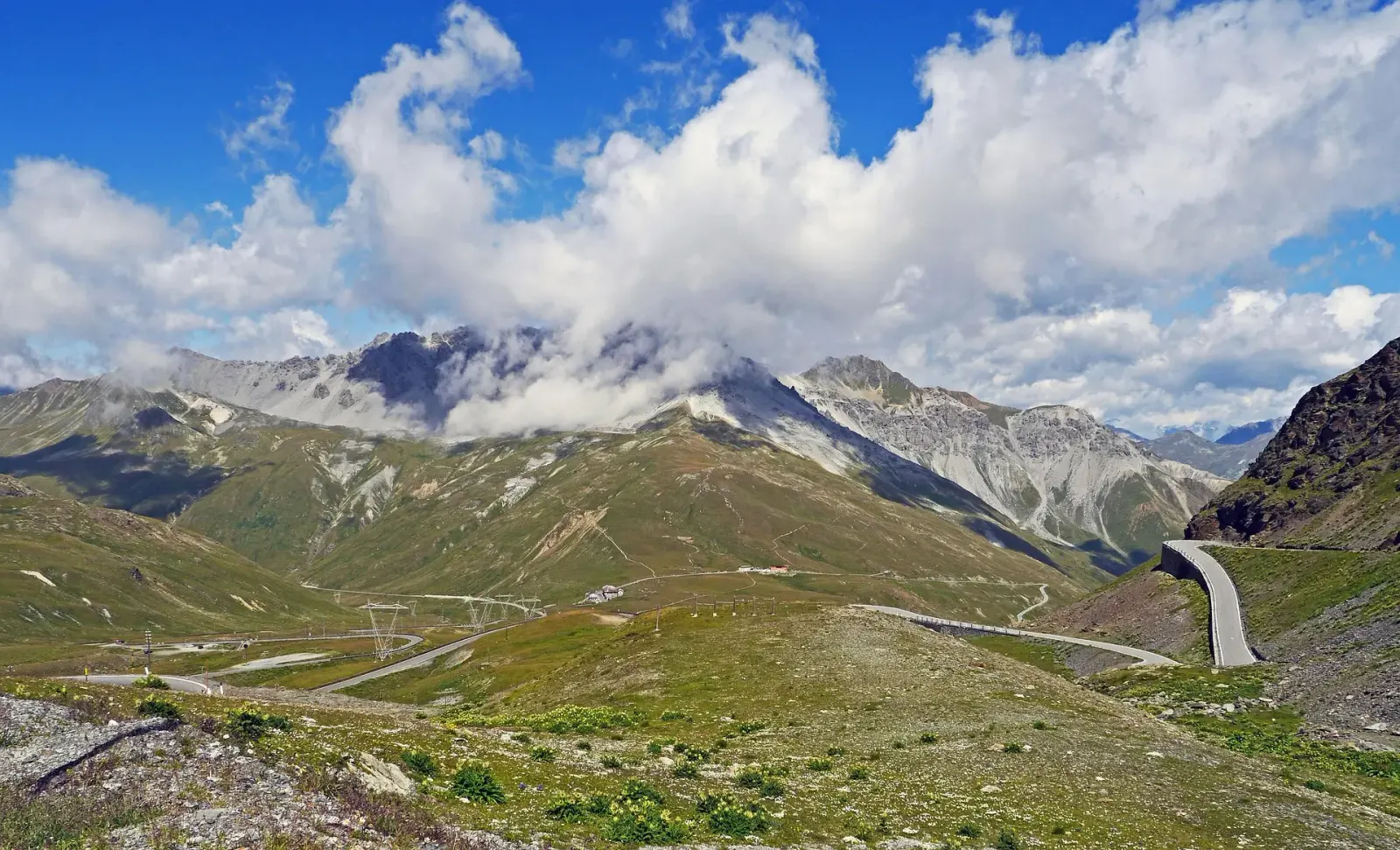
8. Stelvio Pass (Italy)
The test of courage among Alpine passes. 48 hairpins on one side, 39 on the other.
Riding fun: very demanding, but a pass you should have ridden once in your motorcycling life.
Tip: practise turning on a slope beforehand. The hairpins are so tight that you almost have to turn at a standstill.
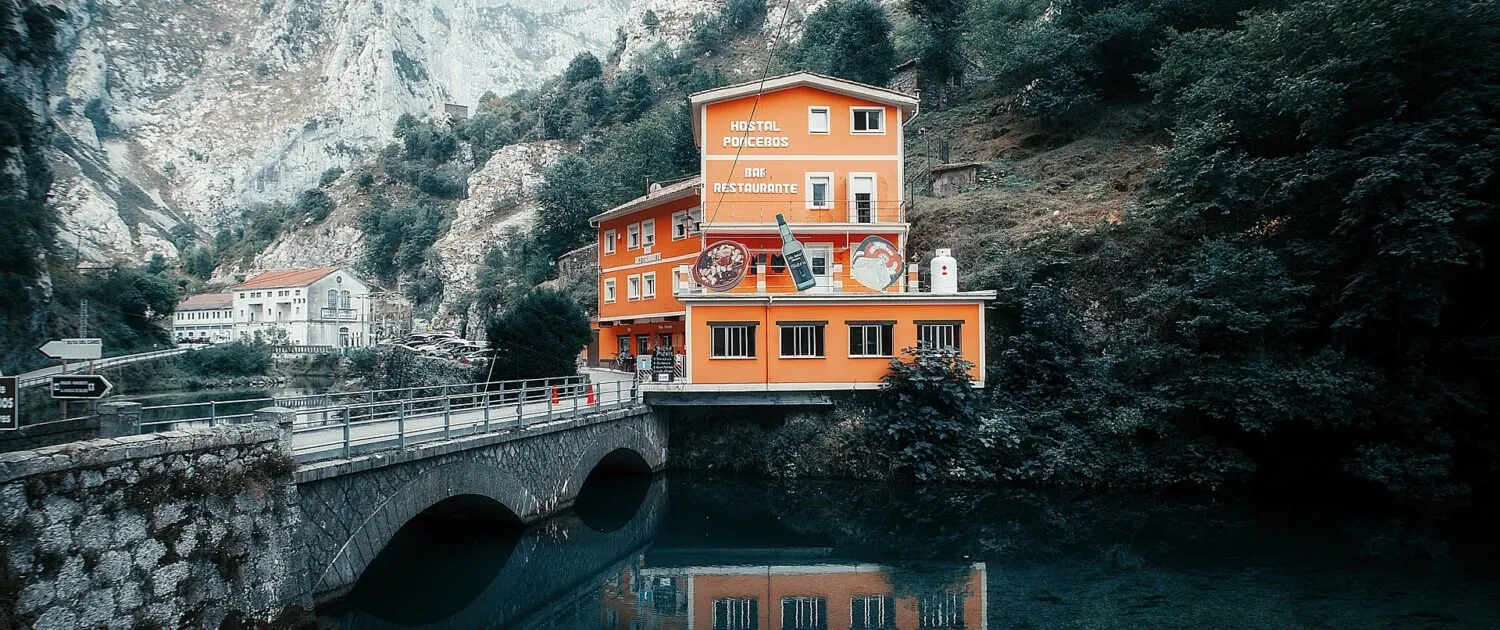
9. Picos de Europa (Spain)
High mountains like the Alps, but without Alpine prices and without the heavy traffic.
Riding fun: winding gorges such as the Desfiladero de la Hermida.
Tip: the region is known for its cheese. Try "queso de Valdeón".
10. Magistrala (Croatia)
For many, the best coastal road of all.
Riding fun: hundreds of kilometres of bends in a row, always right by the sea.
Tip: the police check strictly here. Enjoy the flow, but don't overdo it.
Alpine passes by motorcycle: classics and quiet alternatives
For many of us, the Alps are the benchmark. But every pass has its own character.
The classics: where you'll meet like-minded riders
On the Passo Pordoi or the Grimsel Pass in Switzerland you're never alone. These roads are something like the scene's regular meeting place. You meet people from all over Europe, talk shop at the kiosk and ride on very well-maintained asphalt. The Bernina Pass in Switzerland is one of them too: expansive, safe and scenically magnificent.
The insider tips: where you can still hear your engine
If you're looking for peace, take the small, often single-track passes.
Passo di Gavia (Italy): the Stelvio's small, nasty little brother. In places the road is only three metres wide, and there are sometimes no crash barriers. That gives you butterflies.
Col de la Cayolle (France): one of the most beautiful passes in the Maritime Alps. You ride through a gorge so narrow you feel you could touch the rocks.
Sölk Pass (Austria): while everyone heads for the Glockner, you often have the road to yourself here. Lots of nature, no crowds.
Coastal tours: sea, bends and salt in the air
Starting the engine in the morning and smelling the sea at the same time – a day can hardly start better.
Sardinia: endless grip
Sardinia has a character all of its own. The asphalt there is often very rough and grippy, with a grip you'll hardly find at home. You should definitely ride the SS125 Orientale Sarda. It runs through mountain massifs, and suddenly you're looking down on hidden bays.
Caution: the rough surface eats tyres noticeably faster than at home. Start with enough tread.
Corsica: the island of 10,000 bends
Corsica is wilder than Sardinia. The roads are narrower, and pigs or goats often cross the road. In the Calanques de Piana the red rocks literally glow at sunset. A moment you won't forget in a hurry.
Motorcycle routes through national parks and nature regions
In national parks you're right in the middle of nature, and it's often much quieter than on the well-known passes.
Black Forest (Germany)
The Black Forest is a German classic. Everyone knows the Black Forest High Road (B500), but my advice: leave the main road. The Münstertal or the road up to the Schauinsland have gradients and bends that really challenge you.
Important: the Black Forest is very busy at weekends. If possible, ride during the week.
Dolomites (Italy)
The "pale mountains". The national parks here look like open-air museums. The Sella Ronda is the best-known section, but also ride into the Paneveggio nature park. The wood for Stradivari's violins came from its forests. The roads are emptier and nature is more original.
Pyrenees (Spain/France)
The Pyrenees are the counterpoint to the Alps: drier, more rugged and lonelier. In Ordesa y Monte Perdido National Park you feel like you're in a western. On the Spanish side the roads are often new and very well surfaced.
Motorcycle travel by region: what to expect
Germany: more than motorways
Germany is often underestimated. Away from the A7 there are really good motorcycle regions:
Eifel: around the Nürburgring, everything is geared towards motorcyclists. The "Green Hell" is just the centre of a large network of twisty country roads.
Ore Mountains: roads across into the Czech Republic, dense forests and very hospitable people.
Bavarian Forest: wide bends you can ride nicely with drive.
Austria: hospitable, with a few rules
Austria likes motorcyclists. Most of the time, anyway.
Rules: watch out for the 95 dB rule in the Außerfern region (Tyrol). If your motorcycle's registered stationary noise is higher, you may not ride there.
Regions: Carinthia is ideal as a base for tours to Slovenia and Italy. In Styria, the "Styrian Iron Road" tempts with industrial heritage and beautiful bends.
Switzerland: high Alpine and expensive
Scenically, Switzerland is hard to beat. Passes like the Susten or the Furka are real feats of engineering.
Costs: Switzerland is expensive. Food and accommodation in particular cost much more than in Germany.
Caution: the police don't joke. Even 5 km/h too fast gets really expensive. Ride relaxed and enjoy the scenery.
Italy: motorcycle country through and through
In Italy you're welcome everywhere on a motorcycle.
Tuscany: gentle hills, ideal for cruisers.
Abruzzo: the Gran Sasso is considered Italy's "Little Tibet". On the huge plateau you feel wonderfully far away from everything.
Food: every break becomes a culinary highlight. Even the espresso at the petrol station tastes better than many an expensive coffee at home.
France: empty country roads
France has the "départementales", the D roads. On them you're often alone for kilometres.
Auvergne: a volcanic region. It hardly gets twistier.
Vercors: dizzying roads carved directly into the rock faces. A must for adventurers.
Balkans: adventure almost on your doorstep
Fed up with mass tourism? Then head east.
Slovenia: the gateway to the Balkans. In the Soča valley you'll find the clearest water you've ever seen.
Montenegro: Durmitor National Park is one of the last real wilderness areas in Europe.
Albania: an adventure bike makes sense here. The main roads are fine, but the best is on gravel tracks.
Scandinavia: slowing down instead of speeding
You don't go to Scandinavia to be fast.
Sweden: endless gravel tracks, for example on the TET (Trans Euro Trail).
Norway: lots of tunnels and lots of ferries. Plan enough time; the average speed is often only 50 km/h.
Tips for planning your motorcycle tour through Europe
So that the trip doesn't become stressful, you should sort out a few things beforehand.
The right gear
Layering: it's 5 °C at the top of the pass and 30 °C down in the valley. Merino underwear is worth its weight in gold.
Tyres: check your tread. An Alpine trip of 3,000 km eats more rubber than the daily commute.
Navigation app or paper map
Apps: use apps like Calimoto or Kurviger. They find bends that a normal sat nav doesn't know.
Paper: still take a map. In the mountains you often have no signal, and GPS sometimes plays up too.
Stage length
Don't overestimate yourself. In the Alps, 250 km is already a full day's ride. You stop for photos, drink coffee, look around. If you stress yourself, you ride less safely.
In a nutshell: what type are you?
Europe has something for everyone. Are you the pass collector who takes every hairpin in South Tyrol? The connoisseur rolling past lavender fields in Provence? Or the adventurer looking for the next gravel pass in Albania? Whatever you choose: the main thing is that you come home safe and sound.
The roads are there, and every bend has its own story. All that's missing now is yours. So grab your motorcycle, check your tyre pressure and ride. See you on the road.
Frequently asked questions about motorcycle trips through Europe
When is the best time for a motorcycle tour in the Alps?
It's best to ride from mid-June to the end of September. Before June many high passes are still closed for winter, and from October you have to expect the first new snow and slippery roads.
Do I need a vignette in every European country?
No. In Switzerland and Austria it's compulsory on motorways. In France, Italy and Croatia, on the other hand, you pay distance-based tolls at toll stations. An overview of the various tolls in Europe can be found on the websites of automobile clubs such as the ADAC (German).
Which motorcycle is best for Alpine passes?
Agility counts. Adventure bikes or naked bikes are ideal for tight hairpins. It's possible with a heavy cruiser, but in hairpins like those on the Stelvio you need much more strength and riding skill.
Is the Stelvio Pass suitable for beginners?
It's a real challenge. The 48 hairpins on the eastern side are very tight and steep. You should be able to control your motorcycle confidently at slow speed and turn on a slope.
What's the 95 dB rule in Austria about?
In certain districts of Tyrol, such as the Außerfern, motorcycles with a registered stationary noise of over 95 decibels are banned in summer. Check your registration document before you leave (on German papers: field U.1).
How many kilometres should I plan per day?
On flat terrain 400 km is no problem. In the Alps or on twisty coastal roads you should limit yourself to 200 to 250 km to keep the tour relaxed.
Do I need special insurance for the Balkans?
Within the EU your normal insurance is enough. For countries such as Bosnia and Herzegovina, Montenegro or Albania you must carry your Green Card, and these countries must not be crossed out on it.
Which accessories are essential for long tours?
A comfortable seat, a good sat nav, a rain suit, a compact tyre repair kit and a power bank for your smartphone.
Are there special rules on helmets and gloves in Europe?
Helmets are compulsory everywhere. In France your helmet must also have reflective stickers, and you must wear CE-certified gloves. Here you'll find the detailed rules and regulations for individual countries.
How do I find motorcycle-friendly accommodation?
Look on portals for biker-friendly hotels or for automobile club labels. Such places often have covered parking, a drying room for your clothes and tools for small repairs.
Corsica or Sardinia: which is more worthwhile?
Sardinia has better asphalt and more flowing bends. Corsica is wilder and more varied scenically, but the roads are often narrower and in poorer condition.
What should I consider when riding in a group?
Ride staggered (except in tight bends), never overtake within the group and always set the pace by the slowest rider.
Can I camp in the wild in Scandinavia?
Yes, thanks to the right to roam it's allowed under certain conditions in Sweden and Norway. Motor vehicles usually have to stay on paved areas, though.
How do I protect my motorcycle from theft when travelling?
Take a high-quality brake disc lock with an alarm and, where possible, park the motorcycle in a lockable garage or within sight of your accommodation.
Which app is best for motorcycle routes?
Calimoto and Kurviger are the best known. Both are designed to find bends instead of sending you the fastest way along the motorway.