For many of us, riding a motorcycle is more than a hobby. And nowhere do you notice that as clearly as on a longer motorcycle trip through Europe. The gentle hills of Tuscany, the rugged coasts of Norway, the hairpins of the Alpine passes: the choice is huge. To make the tour as relaxed as you imagine, good planning, the right gear and an eye on safety are worthwhile. Here you will find the most important tips for planning your next motorcycle tour through Europe.
1. Planning a motorcycle tour: good preparation pays off
Before you set off, you should know where you want to go. Europe is big, and every region has its own character. Think about whether you'd rather cruise leisurely through the countryside, visit cities or ride sportily over Alpine passes. If you plan ahead, you have less stress on the road and much more fun.
Planning tips
Use navigation apps such as Kurviger, Google Maps or Calimoto. Kurviger and Calimoto in particular suggest routes tailored to motorcyclists.
Plan realistic daily stages. 200 to 300 kilometres a day is comfortable and leaves enough time for breaks and sightseeing.
Book accommodation in good time. Campsites, guesthouses and biker-friendly hotels are quickly booked up in high season.
Mark sights along the route so you can stop spontaneously. That way you don't miss anything and still stay flexible.
Prepare alternative routes. Especially in the mountains or popular holiday regions, roads are sometimes closed or congested.
With well-thought-out planning, you can enjoy the ride instead of getting annoyed about unexpected obstacles.
2. The right gear for motorcycle trips
Nothing spoils a tour faster than uncomfortable clothing or missing protective gear. Don't compromise here.
What belongs on every tour
Jacket and trousers with protectors, breathable and waterproof. Light summer suits suit the south, warmer versions the north.
A well-ventilated, light helmet certified to ECE 22.06 or ECE 22.05. It protects you and makes sure you ride comfortably even on long stages.
Waterproof gloves and boots that protect you while still allowing movement. On long distances, your hands and feet shouldn't tire unnecessarily.
Extras such as a kidney belt, rain suit, waterproof dry bags and, if needed, a sat nav mount on the handlebars. Little things like these often decide whether a tour is stressful or relaxed.
Tip: dress in layers so you can react flexibly to temperature changes. Thin functional underwear keeps you warm and dry, an additional jacket or vest protects when it gets cold. If you want to ride in winter, take a look at our article on the right motorcycle clothing for winter.
3. Motorcycle technology: fit for the trip
A well-maintained motorcycle is the basis for a safe and relaxed tour. Before every ride, check tyre pressure and tread depth. Also check the brakes, oil level, coolant and chain. Lights, indicators and on-board electronics must work perfectly too.
Tip: a small tool bag, spare fuses and a tyre repair kit save you a lot of trouble on the road. With these at hand, you are well equipped for minor breakdowns.
Check your accessories as well: sat nav, charger and smartphone holder must work reliably. A flat battery can quickly become a problem in remote areas.
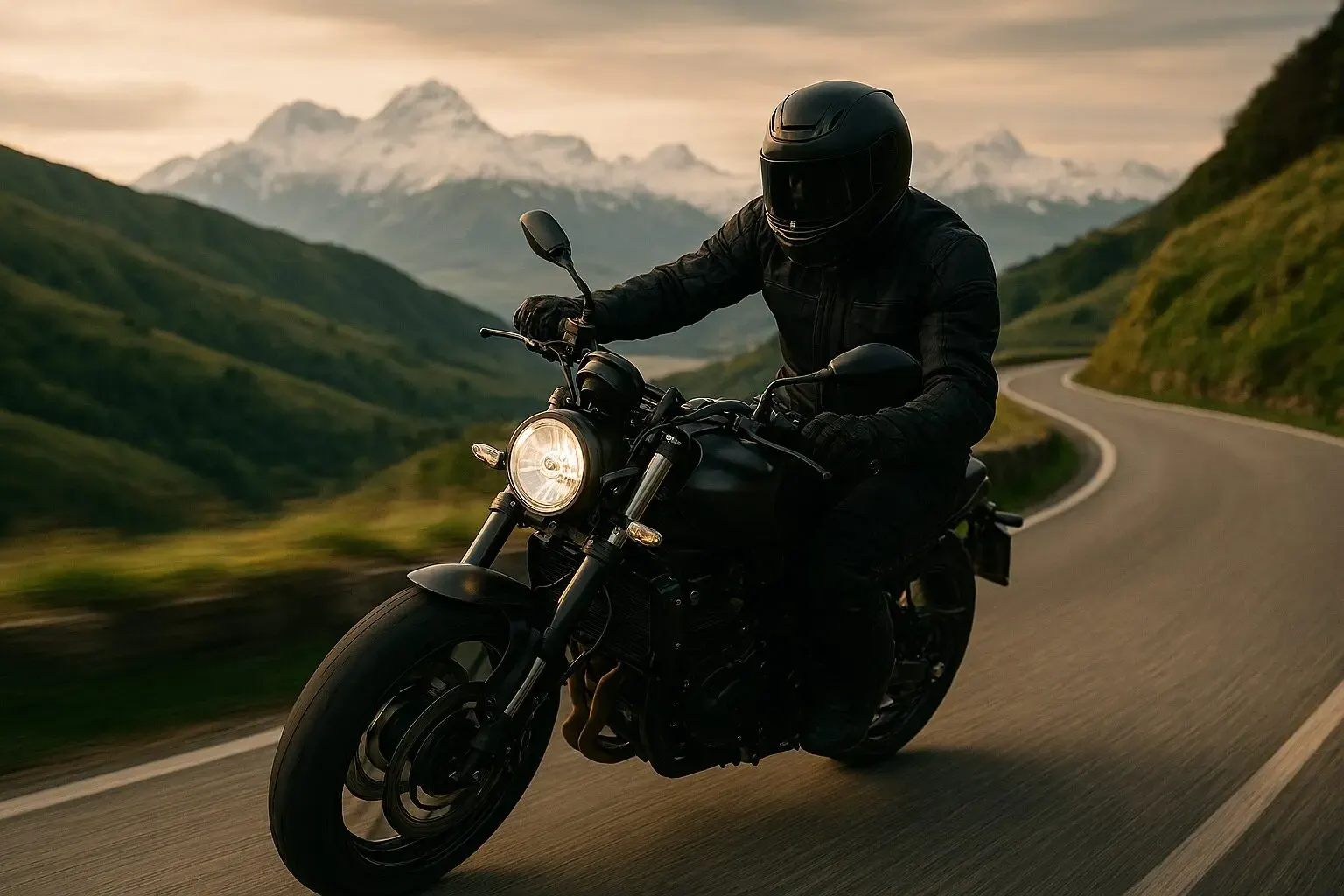
4. The most beautiful routes for motorcycle trips in Europe
Europe has countless roads that every motorcyclist should ride at least once.
Alpine passes in Switzerland and Austria: winding roads such as the Grossglockner High Alpine Road or the Stelvio Pass are ideal for sporty riders. The view of the snow-capped peaks rewards every hairpin. Allow enough time for photo stops.
Tuscany and southern France: small country roads lead through olive groves, vineyards and lavender fields. Perfect for riders who like to take it easy. Plan stops in small villages to get to know the area and try regional specialities.
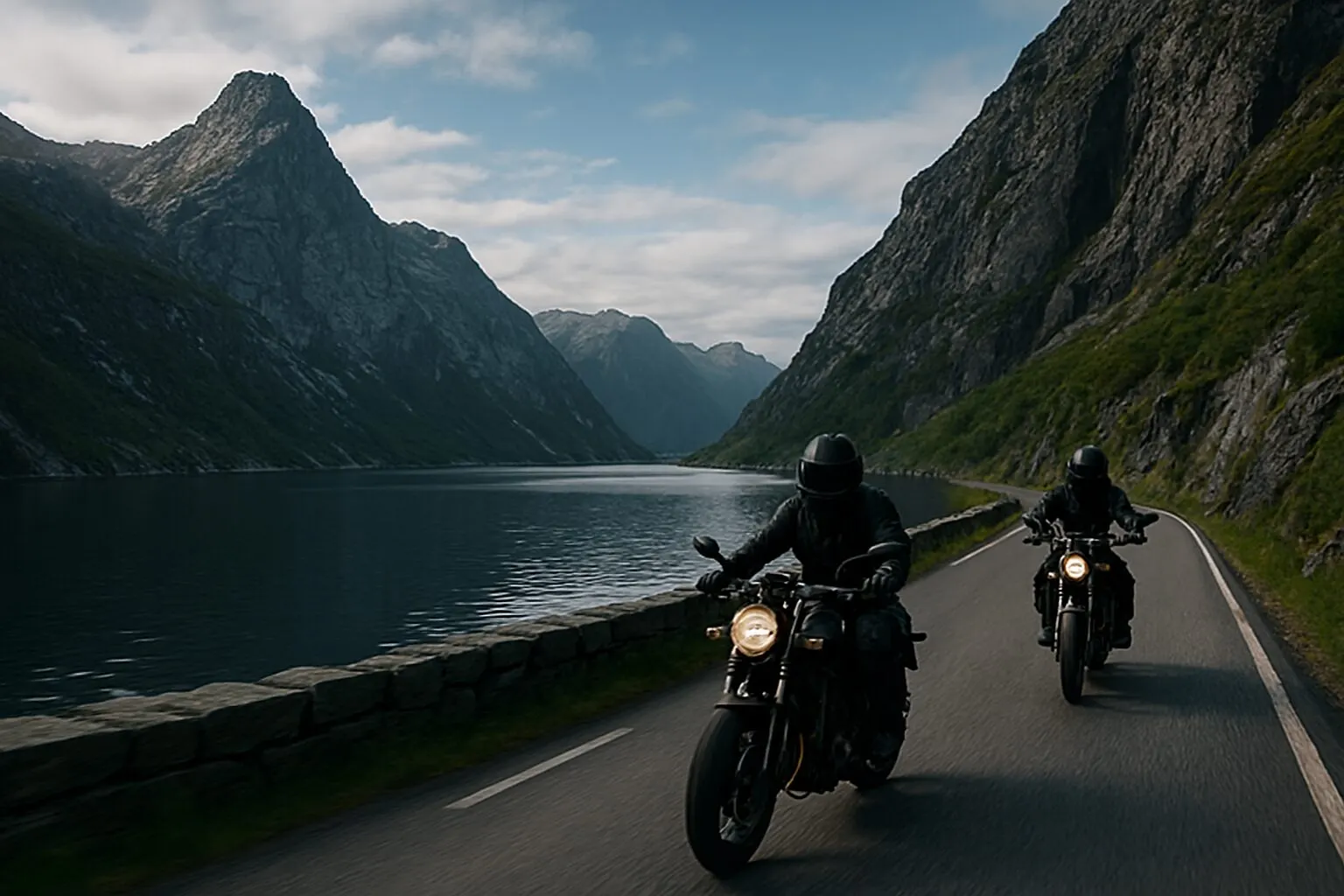
Norway and Scandinavia: fjords, spectacular coastal roads and almost empty roads. Well suited to anyone who also likes to camp. Pack weatherproof clothing and a warm sleeping bag, because temperatures fluctuate a lot.
Spain and the Pyrenees: winding mountain roads, pretty villages and a mild Mediterranean climate. The region is especially worthwhile in spring and autumn, when the weather is pleasant and the roads are empty.
Tip: ideally plan several alternatives for each route. If a road is closed, you can switch immediately without your daily stage falling apart.
5. Safety on the road
Motorcycling has risks. With a few basic rules you can avoid many dangers and ride more relaxed. In our section on "rules and regulations by country" you'll find the legal situation in the various destination countries.
Always adapt your speed to road conditions. Ride every bend deliberately, especially on unfamiliar roads.
Keep enough distance from the vehicle in front, even if the road seems clear. That gives you time to react to surprises.
Check the weather regularly. In the mountains, rain, fog and ice are particularly dangerous.
Take a break at least every two hours. Fatigue is an often underestimated risk.
Look after your stamina. Enough sleep, regular meals and plenty to drink help you stay focused.
Tip: pack a small emergency bag with a first-aid kit, power bank, water and snacks. Then you are prepared for the unexpected.
6. Tricks for relaxed travel
Many small details make your motorcycle tour much more pleasant:
Roll your clothes instead of folding them. That saves space and prevents creases.
Save maps offline and take copies of important documents: licence, insurance and passport.
Use a Bluetooth headset in your helmet for navigation prompts and chatting with fellow riders.
Find out about local rules such as speed limits, low-emission zones and tolls so you don't get fined.
Pack your bags thoughtfully so you can quickly get to the important things on the road.
Tip: a small thermos mug for coffee keeps energy and spirits up. Short breaks with a hot drink motivate you and prevent fatigue.
7. Food and culture on the way
A motorcycle trip is also about being on the road away from the road. Try local specialities, visit regional markets and look for small cafés off the tourist trail. That way you get to know the country and its people while enjoying restful breaks.
8. Conclusion
A motorcycle trip through Europe combines riding fun, adventure and nature in a very direct way. With good preparation, the right gear and an eye on safety, the tour becomes a real experience. Winding Alpine passes, sunny Mediterranean roads or lonely routes along the fjords: in Europe everyone finds the right tour.
If you pay attention to the details, plan sensibly and keep safety in mind, your head stays free for riding. Many bends, landscapes and encounters from such a trip stay with you for a long time. Enjoy every stage consciously – that's exactly why you set off.
Frequently asked questions
How many kilometres per day should I plan on a motorcycle trip?
200 to 300 kilometres a day is comfortable. That leaves enough time for breaks, photo stops and sightseeing.
Which apps are suitable for planning a motorcycle tour?
Kurviger, Google Maps and Calimoto. Kurviger and Calimoto suggest routes specifically tailored to motorcyclists.
What should I check on my motorcycle before a trip?
Tyre pressure and tread depth, brakes, oil level, coolant and chain, as well as lights, indicators and on-board electronics. Tools, spare fuses and a tyre repair kit belong in your luggage.
How often should I take a break on long tours?
At least every two hours. Fatigue is an underestimated risk; enough sleep, regular meals and plenty to drink also help.